Portuguese
  Spanish



ITA Announces Three Strategic Green Hydrogen Projects in Brazil, With Support from MDIC, Strengthening Industrial Decarbonization and Attracting Billions in New Sustainable Investments
On October 15, 2025, the Industrial Transition Accelerator (ITA), a global initiative launched during COP28, announced the selection of three green hydrogen projects in Brazil.
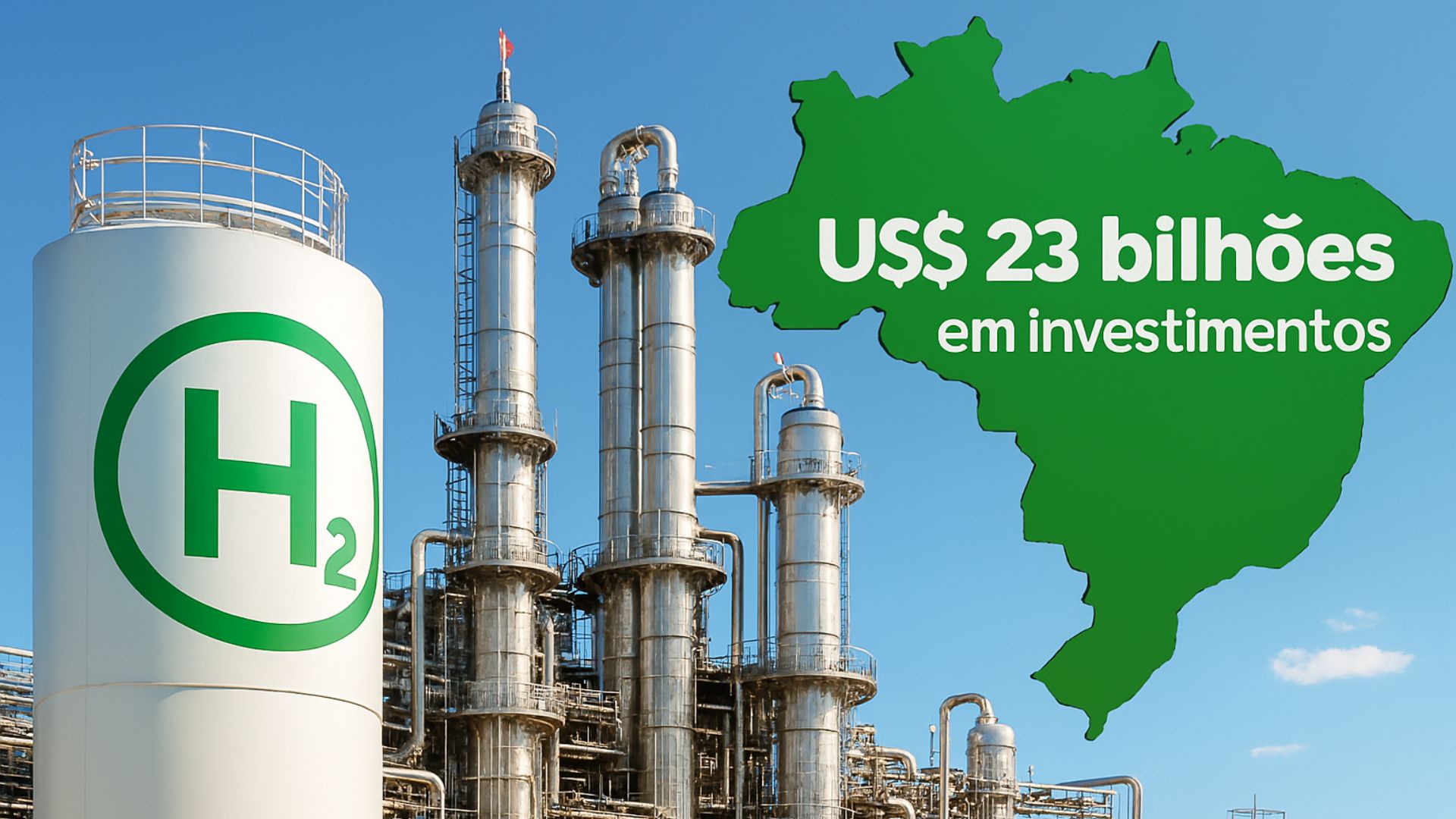
According to data from Exame Magazine, the action aims to attract up to US$ 23 billion in investments, with support from the Ministry of Development, Industry, Commerce and Services (MDIC), by the time COP30 is held, scheduled for November 2025 in Belém do Pará.
ITA and the Mission to Accelerate Industrial Decarbonization
This announcement represents a decisive step in Brazil’s industrial decarbonization, positioning the country as a key player in the global race for sustainable solutions.
-
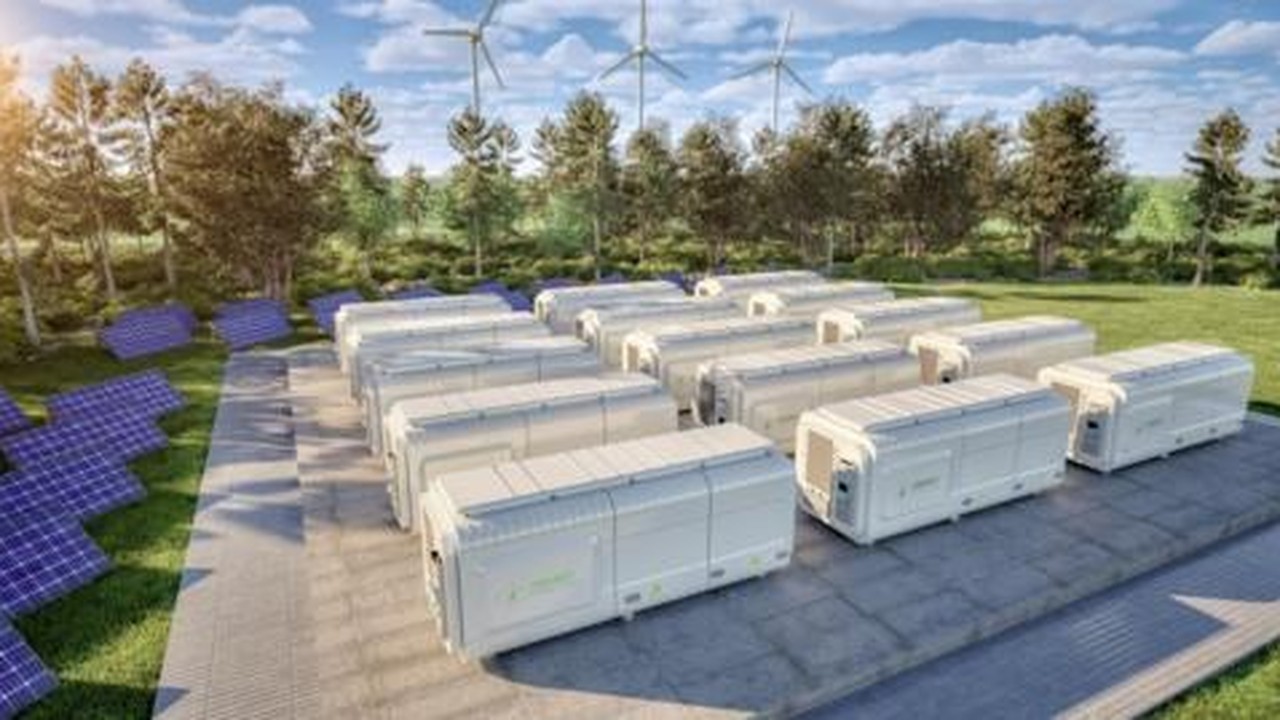
Brazil to Hold First Auction for Batteries to Store Solar and Wind Energy from the Northeast

-
Brazilian scientists are simultaneously advancing two research projects on clean hydrogen and driving solutions that could transform the energy matrix, enhance industrial competitiveness, and accelerate large-scale emission reduction targets.

-
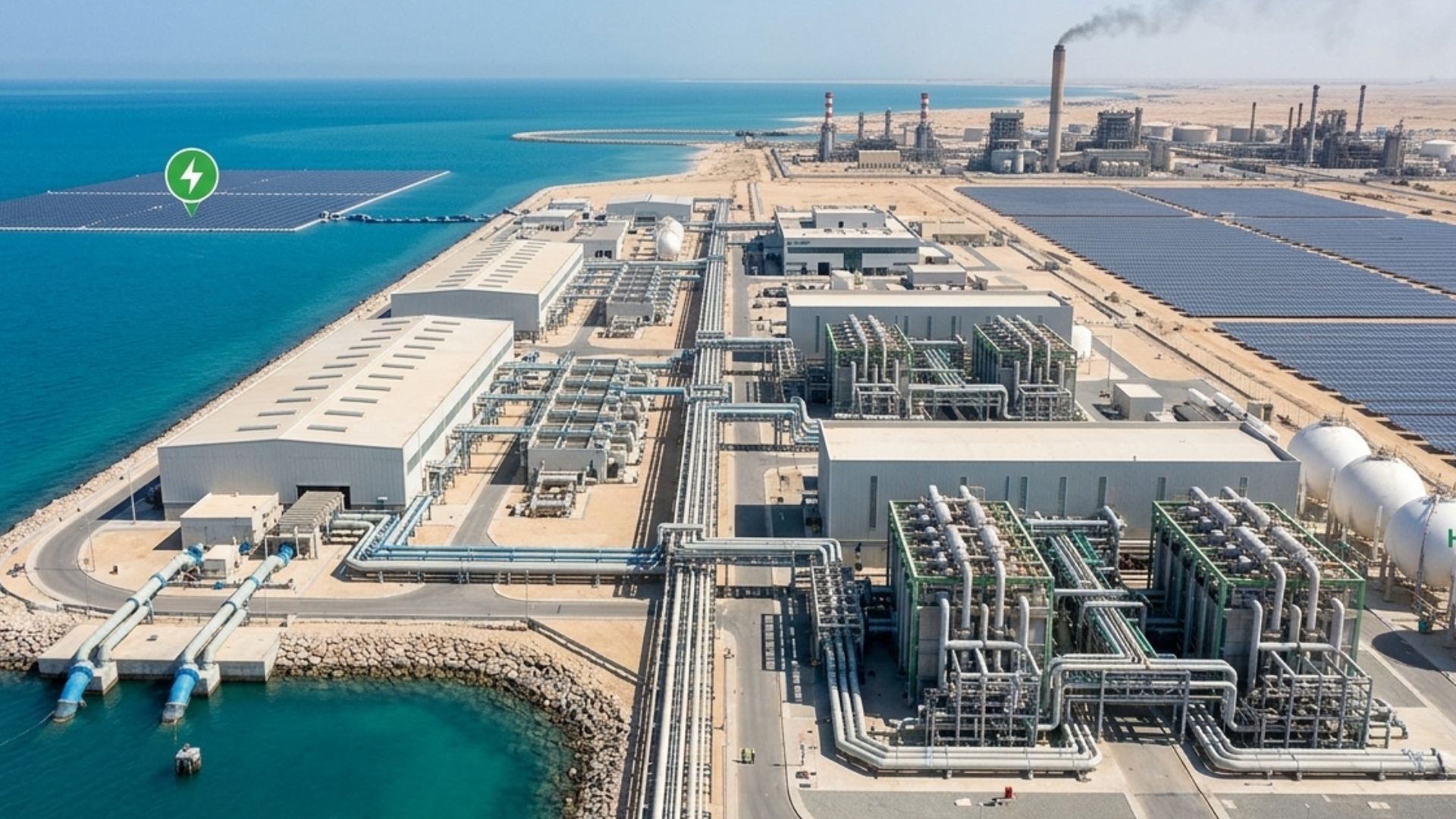
Advancement in renewable energy: A R$ 150 million project launched by Petrobras and Finep aims to create state-of-the-art electrolyzers for green hydrogen, strengthening national research and preparing Brazil to compete in a billion-dollar energy market.
-
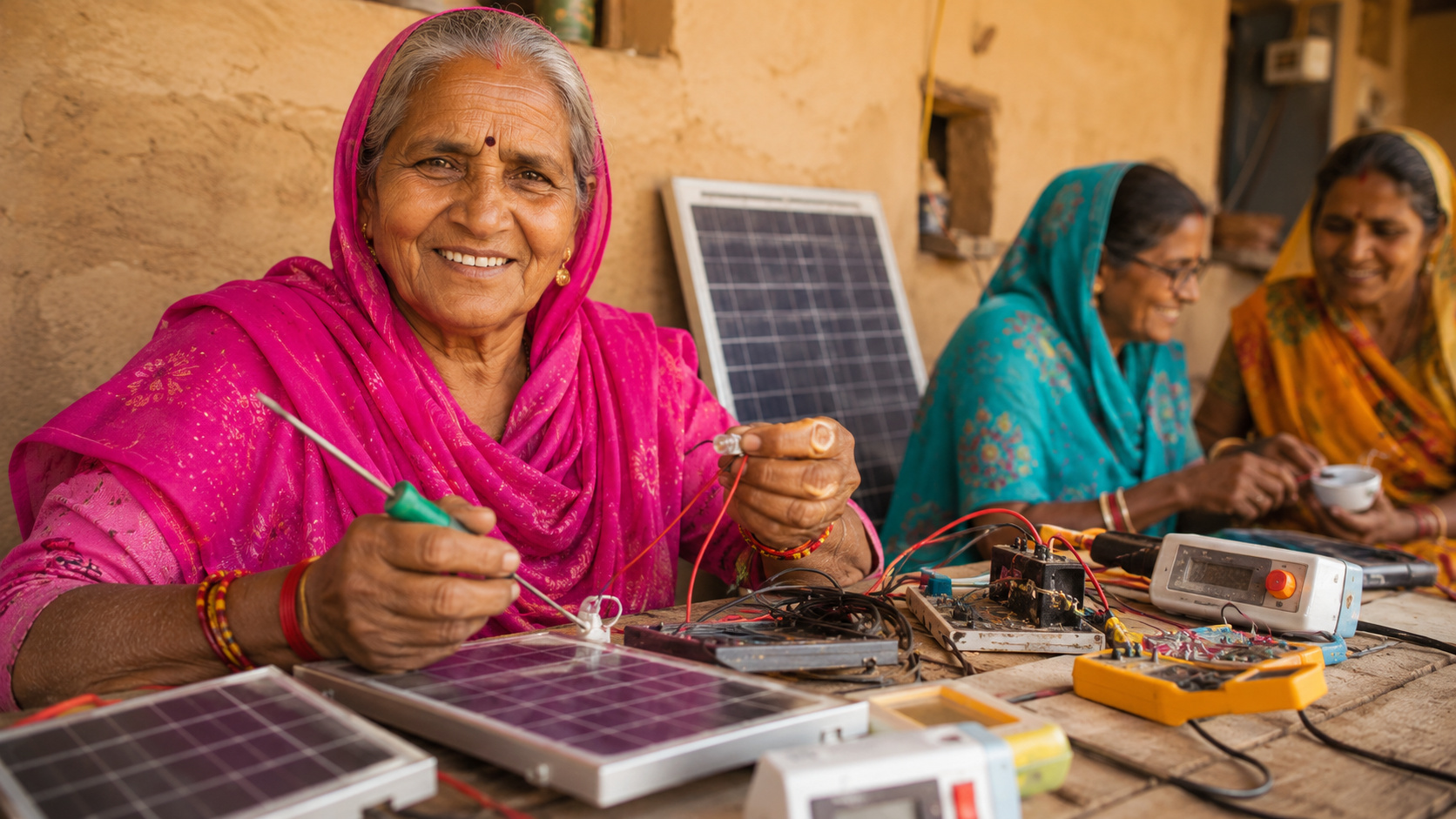
Illiterate or semi-literate grandmothers were trained to repair solar systems, open rural workshops, and light up homes that still depended on kerosene.


The selected projects — from the companies Stegra, Green Energy Park, and Grupo KWPar — focus on the production of iron, steel, and chemical products based on green hydrogen, a technology considered essential to reduce carbon emissions in heavy industry.
The ITA (Industrial Transition Accelerator) emerged as a response to the global climate urgency, aiming to unlock billion-dollar investments in clean technologies. Since its creation at COP28, the initiative has expanded rapidly, bringing together governments, companies, and financial institutions around projects that promote industrial decarbonization.
In Brazil, the ITA already has 15 initiatives across different sectors, including green fertilizers, sustainable aviation fuels (SAF), and now green hydrogen. The choice of the country to host the first ITA program was not by chance: Brazil has an abundance of natural resources, a clean energy matrix, and strategic industrial capacity.
Green Hydrogen Projects Selected in Brazil by ITA
The three green hydrogen projects chosen by ITA aim to replace fossil fuels with sustainable hydrogen in the production of industrial materials.
This technology, obtained through the electrolysis of water with renewable energy, is considered one of the most promising for drastically reducing CO₂ emissions in sectors such as steelmaking and chemicals.
- Stegra: develops solutions for iron production with green hydrogen.
- Green Energy Park: focuses on creating a renewable energy and hydrogen hub in the Northeast.
- Grupo KWPar: works on transforming chemical processes based on sustainable hydrogen.
These projects were selected for their technical feasibility, positive environmental impact, and ability to attract international investments. Additionally, they align with Brazil’s climate goals and the commitments made at COP28.
Support from MDIC and Investments Expected by COP30
With support from MDIC, Brazil aims to mobilize up to US$ 23 billion in investments to enable the selected projects and others that are in development. These resources are expected to come from international funds, multilateral banks, and public-private partnerships.
MDIC has acted as a facilitator between the private sector and international organizations, ensuring legal security, tax incentives, and adequate infrastructure for project implementation. The expectation is that the first contracts will be signed during COP30, consolidating Brazil as a hub for green hydrogen innovation.
Green Hydrogen as a Vector for Industrial Decarbonization
Green hydrogen is pointed out by experts as the key to decarbonizing hard-to-electrify industrial sectors, such as heavy transport, aviation, and steel production.
Brazil, with its energy matrix composed of more than 80% renewable sources, has ideal conditions to produce green hydrogen on a large scale and at low cost. Furthermore, the country has port infrastructure and logistics capable of meeting international demand, particularly from Europe and Asia.
The selection of the projects by ITA reinforces Brazil’s strategic role in the global energy transition. The country offers unique competitive advantages:
- Clean and diverse energy matrix;
- Potential for large-scale solar and wind generation;
- Installed industrial capacity and skilled workforce;
- Ambitious climate commitments and favorable public policies.
These factors make Brazil an attractive destination for investors seeking sustainable, long-term projects. Additionally, the country can benefit from the growing international demand for products with a low carbon footprint.
Challenges and Opportunities for Green Hydrogen Projects
Despite the potential, the implementation of green hydrogen projects faces challenges such as:
- High technology costs;
- Lack of specific regulation;
- Need for technical training;
- Integration with existing supply chains.
On the other hand, the opportunities are vast. The adoption of green hydrogen can generate thousands of skilled jobs, stimulate technological innovation, and reposition Brazil as a leader in a low-carbon economy.
COP30: Global Showcase for ITA Projects in Brazil
COP30, to be held in Belém do Pará, represents a unique opportunity for Brazil to present its advances in industrial decarbonization. With ITA projects in the spotlight, the country will be able to attract new investors, establish international agreements, and strengthen its position in climate negotiations.
In addition to the green hydrogen projects, the event is expected to bring together initiatives in renewable energy, sustainable agriculture, electric mobility, and circular economy. The goal is to show that Brazil is committed to the climate agenda and prepared to lead innovative solutions.


Paths to Consolidate Brazil’s Leadership in Industrial Decarbonization
The selection of green hydrogen projects by ITA marks a new chapter in Brazil’s journey toward industrial decarbonization. With MDIC’s support and expectations of US$ 23 billion in investments by COP30, the country demonstrates technical, political, and environmental capacity to lead the global energy transition.
By investing in clean technologies, fostering strategic partnerships, and promoting effective public policies, Brazil not only reduces its emissions but also strengthens its economy and geopolitical position. COP30 will be the stage to consolidate this vision and show the world that it is possible to grow sustainably.