Portuguese
  Spanish


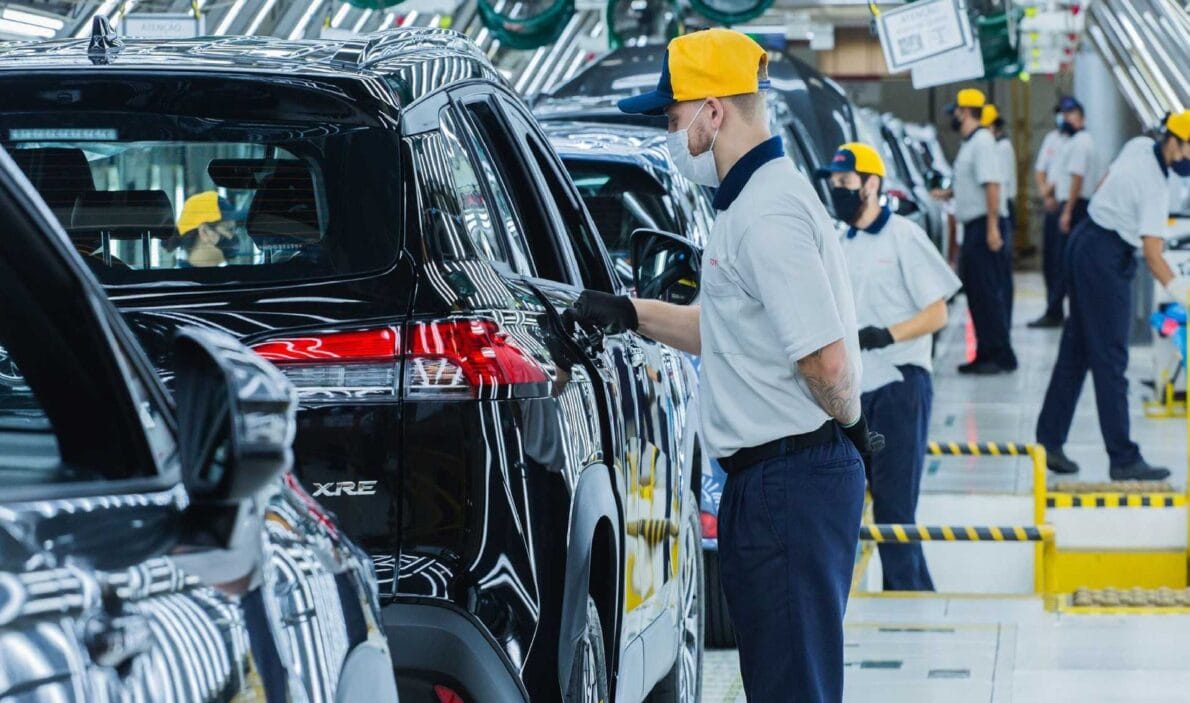

Visit to Toyota Factory in Sorocaba Reveals How the Hybrid Car Combines Technology and Efficiency on 4 Wheels
In the city of Sorocaba, inland São Paulo, the Toyota factory stands out in the production of the Corolla Cross, a hybrid vehicle that combines electric and combustion engines. This car, known for its efficiency and reduction of greenhouse gas emissions, belongs to the electrified category, but unlike fully electric vehicles, it does not need to be recharged at a socket, it generates its own energy while driving, according to the video by the channel Manual do Mundo.
Integrated Structure
The Toyota factory is strategically located next to a large industrial park that houses suppliers of parts such as seats, suspensions, and bumpers. This proximity allows for a lean inventory of parts, thanks to the Just in Time system, also known as toyotism, where production is done according to the demand of the assembly line. Every 108 seconds, a new car rolls off the production line, totaling 660 vehicles per day.
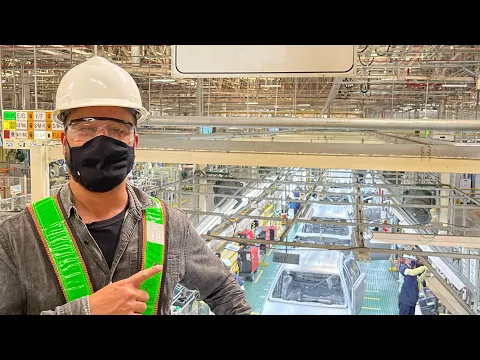

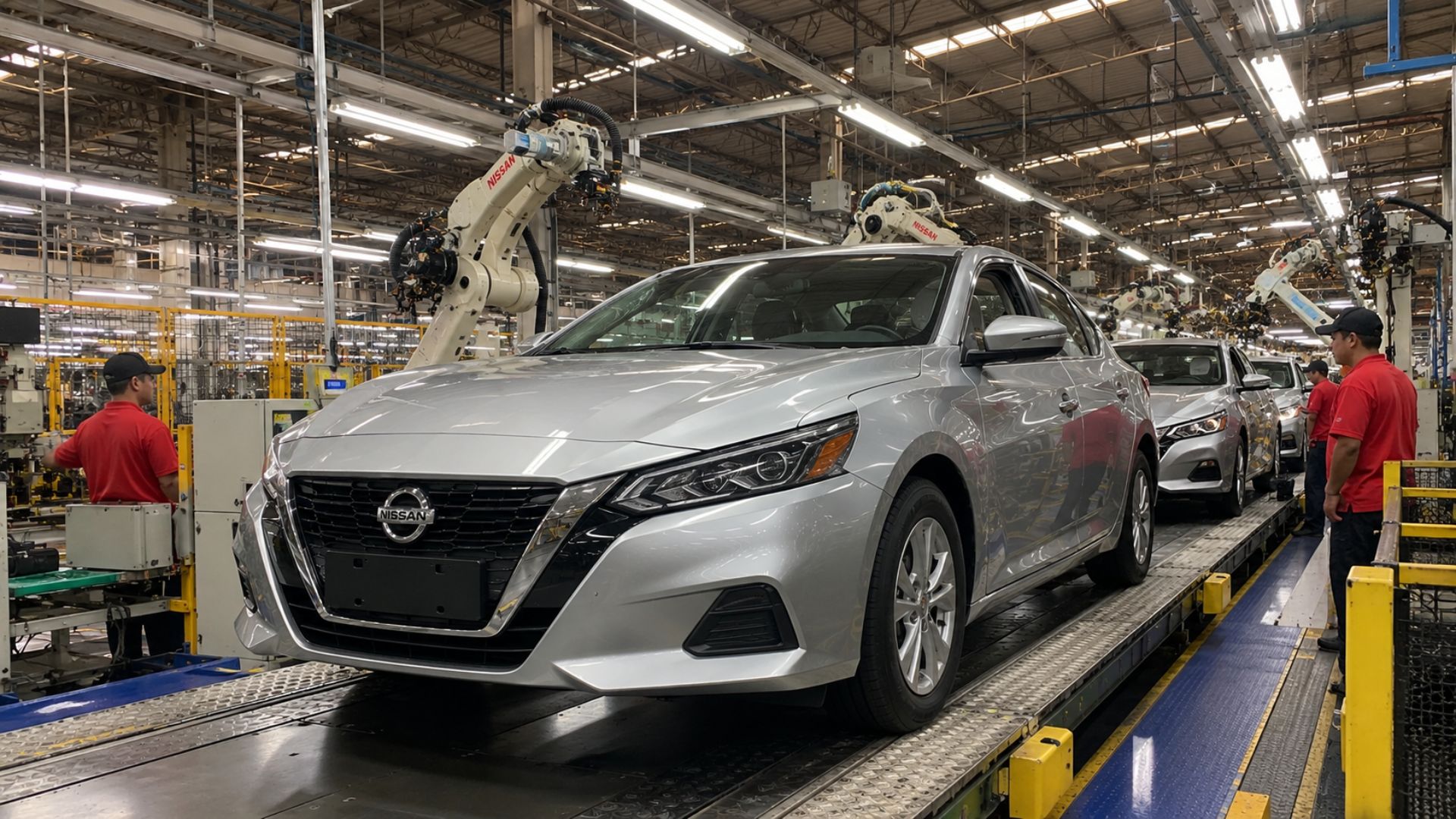
The process begins with steel sheets that are shaped by powerful presses, creating the necessary forms for the vehicle. This sector is the only one that maintains an inventory sufficient for only four hours of production. Robots take on the role of welders on the body shop line, performing about 3,000 weld points per car. Each vehicle, regardless of model or configuration, goes through the same line, identified by tags read by the robots.
-
End of an era in Brazil: beloved sedan by Brazilians is discontinued despite having a 2.0 engine with 151 hp, CVT transmission, 466-liter trunk, and up to 650 km of range.

-
New Law Proposal in Brazil Could Heavily Penalize Drivers: Dangerous Overtaking May Become a Serious Offense with Fines Increased Tenfold and a 12-Month License Suspension; Update on 2026 Progress

-
Electric Revolution: Watts W125 Motorcycle Offers 160 km Range, 90 km/h Speed, and Affordable Price Starting at $3,000
-
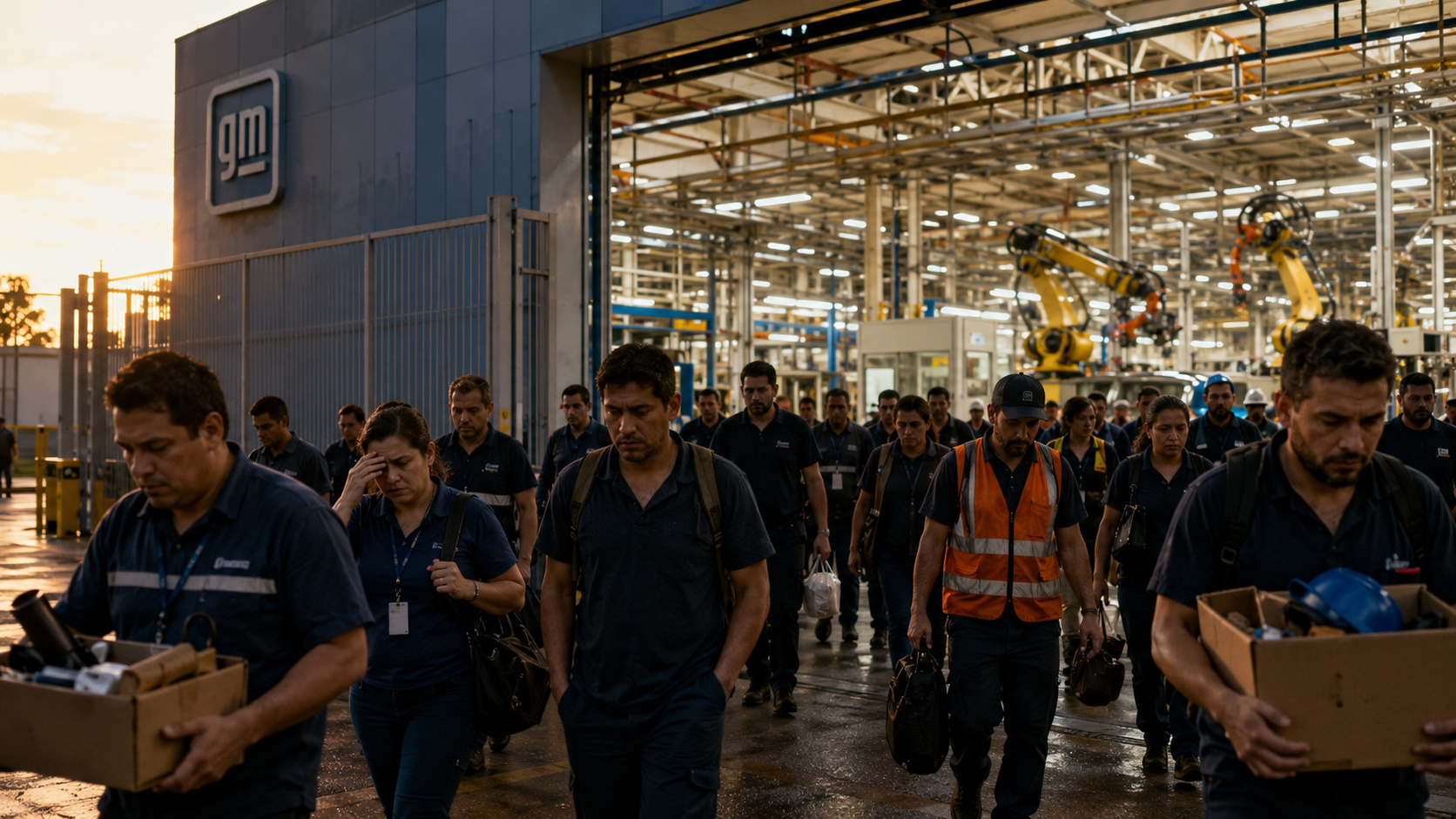
General Motors Replaces Over a Thousand Workers with 50 Cobots at Electric Vehicle Plant, UAW Union Criticizes Move Amid Industry’s Automation Push


Preparation for Painting
Before painting, the bodywork is rigorously cleaned and treated against oxidation. The painting process uses static electricity to ensure uniform coverage, followed by a furnace at 120ºC for 40 minutes. The quality of the paint is checked in specially lit rooms, where every detail is inspected.

Final Assembly
After painting, the doors are temporarily removed to facilitate the installation of internal components. The assembly line is highly organized, with autonomous carts transporting parts as needed. The specifications for each car are followed precisely, from the trim to the sound system and sunroof.
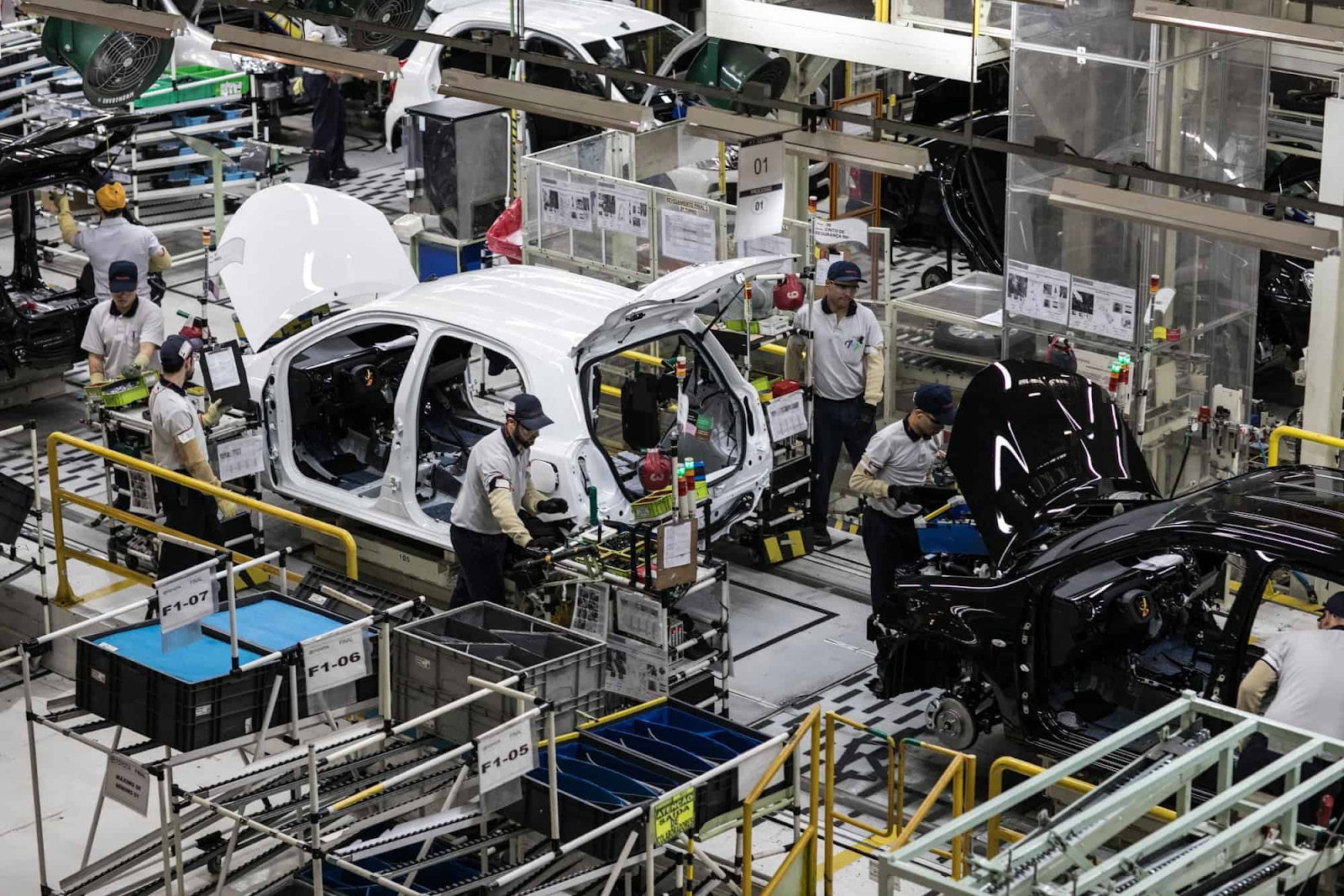
The final assembly includes the installation of upholstery, engines, and finishes such as seats, windows, and bumpers. The electric motor battery of the Corolla Cross, for instance, is placed under the rear seat to improve stability. The integration between humans and robots is harmonious, ensuring precision and efficiency.
Hybrid Engine Operation
The Corolla Cross has two electric motors, MG1 and MG2. At low speeds, the car operates exclusively with the electric motor, ensuring a silent start. At higher speeds, the combustion engine kicks in, and the MG1 acts as a generator, recharging the battery. The regenerative braking system converts braking energy into electricity, increasing the vehicle’s energy efficiency.

Toyota, a pioneer in hybrid technology with the launch of the Prius in 1997, continues to innovate with models like the Corolla Cross. Additionally, the factory in Sorocaba also showcases the Mirai, a hydrogen-powered car that emits only water as a byproduct. The production of clean hydrogen is a challenge but essential for a more sustainable future.
Final Tests
The cars undergo rigorous inspections and tests, including a test track where it is possible to check energy management under different usage conditions. The result is an efficient, quiet, and economical vehicle, ready to meet the demands of modern consumers.
Visiting the Toyota factory in Sorocaba is an eye-opening experience, demonstrating how each component of the car is designed to maximize efficiency and reduce environmental impact, without compromising comfort and practicality for the driver.