Portuguese
  Spanish


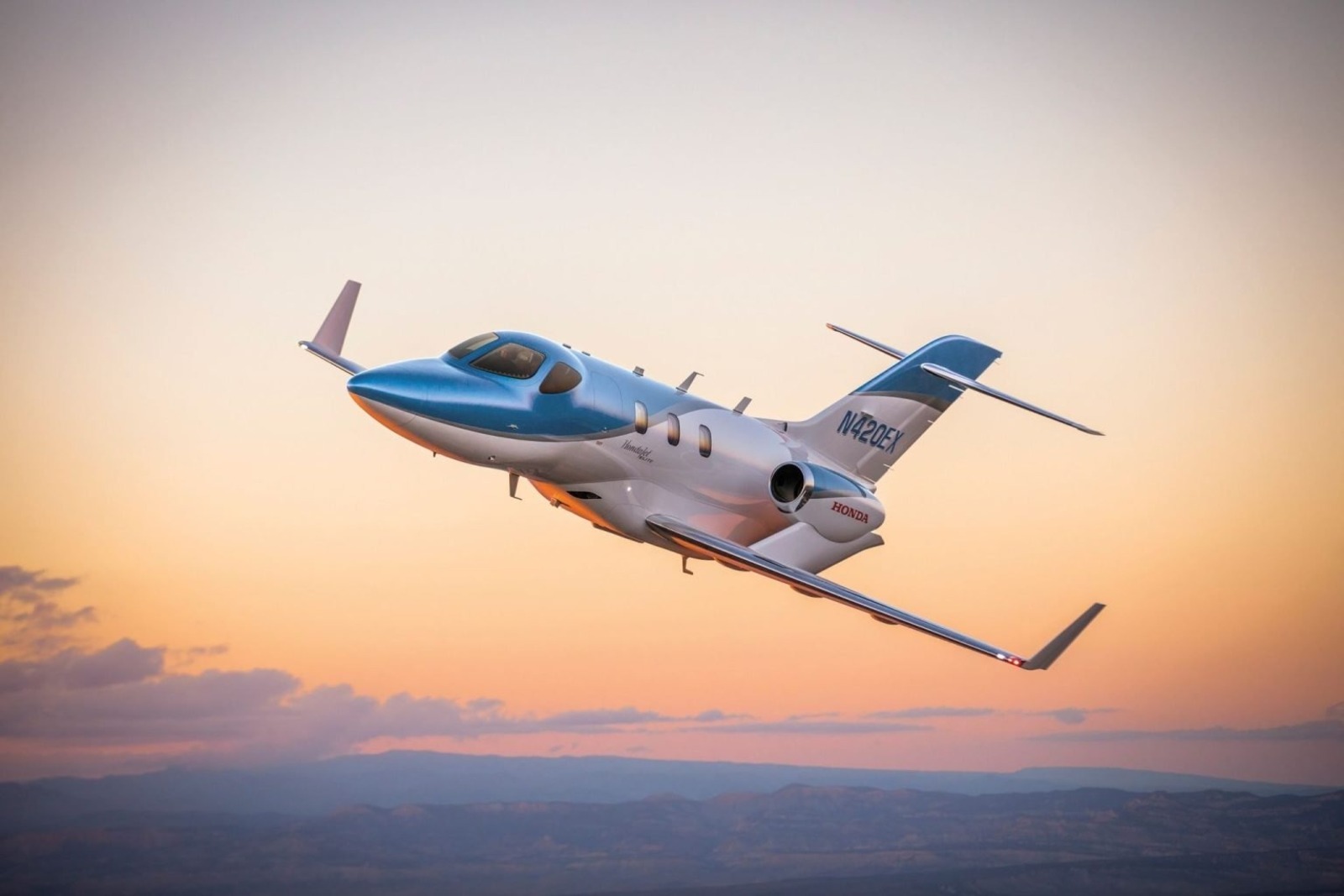


Honda Makes History in Executive Aviation by Achieving the First Global Flight with 100% Sustainable Fuel (SAF) in a Twin-Engine HondaJet, Without Changes to the GE-Honda HF120 Engines and with Emissions Up to 80% Lower
Honda has reached an unprecedented milestone in executive aviation by performing, last week, the first flight of a twin-engine jet powered exclusively by sustainable aviation fuel (SAF). This achievement makes the Japanese manufacturer a pioneer in this type of operation, without any mixing with conventional kerosene.
Successful Test with No Changes to the Engines
The GE-Honda HF120 engines installed on the HondaJet model had already been bench tested with 100% SAF in 2022.
Until then, industry demonstrations used mixtures of 50% with Jet A, the traditional fuel. According to the company, the most recent trial was conducted with no alterations to the engines’ hardware, reinforcing the fuel’s technical compatibility.
-
Brazil Advances with JetBio’s Megaproject to Build the World’s Largest Ethanol-Based Sustainable Aviation Fuel Plant, Aiming to Become a Global Exporter

-
Brazil on Track for Record 40.7 Billion Liters of Ethanol in 2026/27 Season, Driven by Corn Ethanol
-
Petrobras Approves $1.2 Billion Refinery in Brazil to Produce Aviation Fuel and Diesel from Plants
-
US$ 7 billion, green hydrogen, and steel with up to 95% less CO₂: the first green steel plant on the planet emerges in Sweden and targets Brazil as the next chapter



According to specialized publications, the aircraft flew over the Greensboro area in the United States and landed at Piedmont Triad Airport.
The manufacturer stated that it will continue working with regulatory and engine partners to certify the full use of SAF in light jets, paving the way for a new generation of sustainable flights.
The Potential of Sustainable Fuel
SAF can reduce carbon dioxide emissions by up to 80% over its lifecycle, depending on the feedstock and production process.
Although Honda has not disclosed the exact formula of the fuel used, technical reports indicate that it may have been HDO-SAK — a compound obtained through the catalytic conversion of sugars, such as sucrose from sugarcane.
Brazil is also making progress in this field and is betting on ethanol to create its own version of sustainable fuel.
The government is already working with industry companies, and there is authorization for mixtures of up to 50% with alcohol.
With information from Autopapo.