





 Portuguese
  English
  Spanish
  4 min of reading
  2 comments


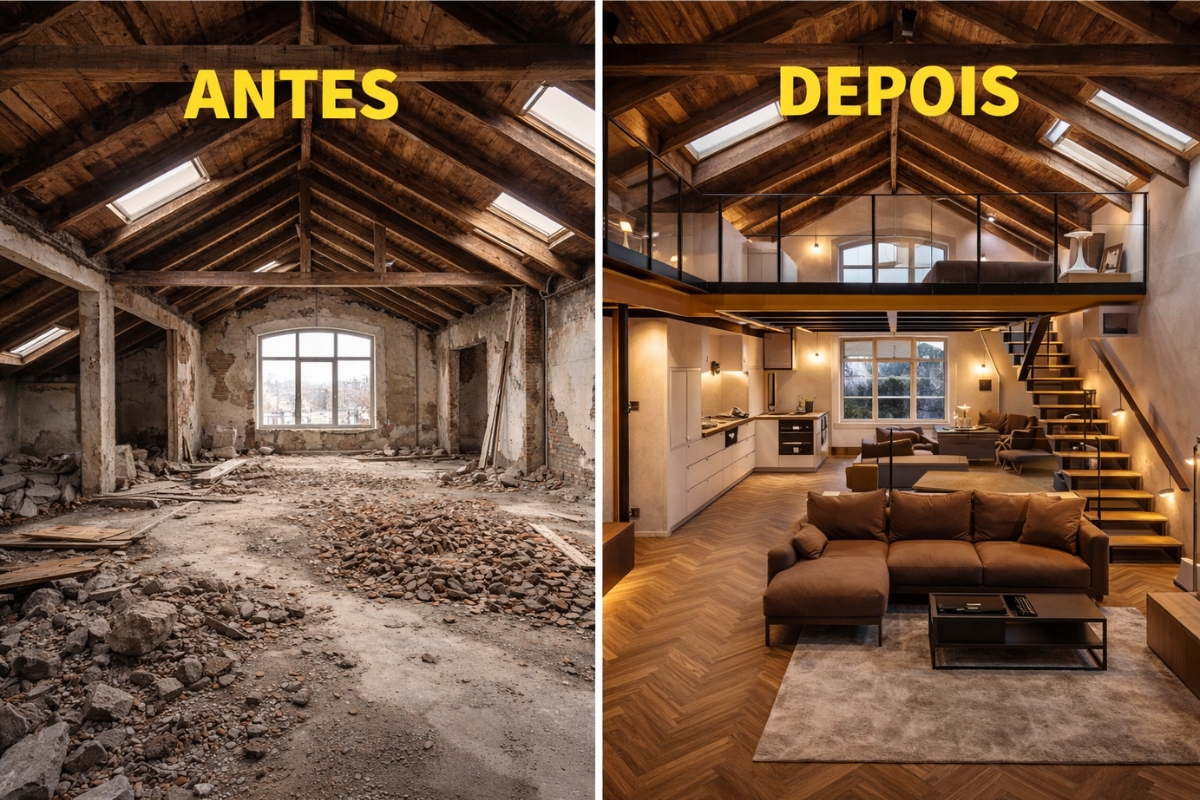


The Project Came Out of Abandonment and Became a Functional Loft with Dry Construction and Custom Woodwork, Making Use of Every Inch of Space.
The renovation completely transformed a dilapidated apartment on the top floor and delivered a two-level modern loft with a high standard of finishing.
The process involved demolition, structural corrections, insulation, closure with drywall, and a final stage with on-site carpentry. The result was a livable space with a contemporary look and intelligent use of the area.
The transformation also highlighted how dry construction techniques and precise fittings can overcome common limitations in heavily damaged properties.
-
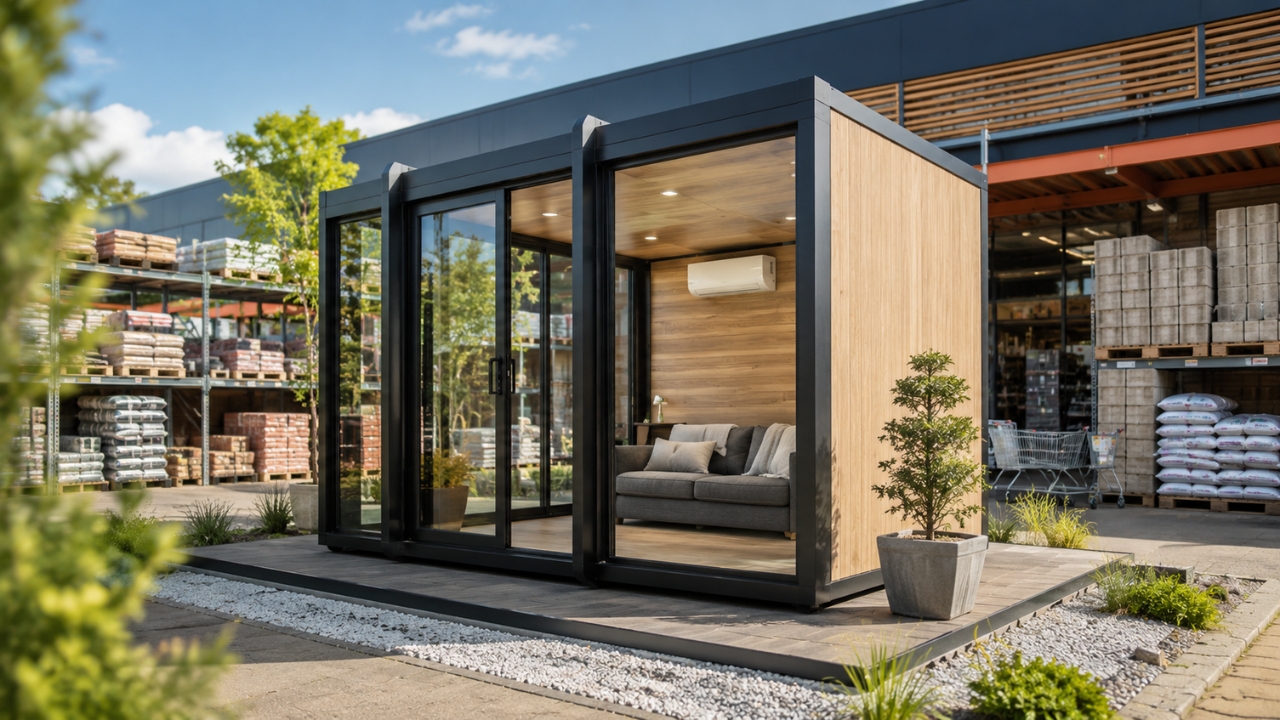
Construction material store starts selling modular units that resemble small houses, assembled in a few days in the backyard, as the housing crisis pushes families towards unconventional solutions in Australia.

-
India approved the country’s first submerged road-rail tunnel, 15.8 kilometers dug under the bed of the Brahmaputra River.
-
A 90-ton steel ring erected in 57 days stands tall in a city in Santa Catarina, the R$ 50 million Ferris wheel that will reach 60 meters in height in Itapema.

-
The largest treated water reservoir in Latin America, made with double steel technology, is completed in Curitiba, receives an investment of R$ 40 million, and promises to strengthen the supply for 130,000 residents in five neighborhoods of the capital.



What Happened and Why It Got Attention

A deteriorated environment, with a compromised structure and old finishes, was rebuilt from scratch to become a high-end property.
The project involved everything from the removal of internal elements to the creation of a new mezzanine level, increasing useful space without losing circulation on the main floor.
In the end, the loft integrated exposed wooden beams with modern lighting and finishing solutions, creating a contrast between the original and the modern.
The Start of the Project with Demolition and Restructuring of the Floor

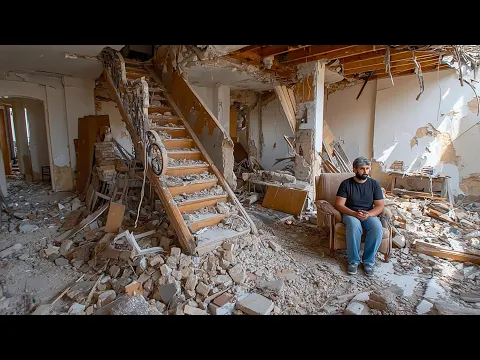
The first stage began with an intense demolition, removing non-structural partitions and all old coverings.
This opening left the masonry exposed and revealed the timber framework of the ceiling, allowing for the identification of where base repairs would be made.
The floor required extra attention after the removal of the deteriorated flooring. New beams were bolted to the old ones to correct unevenness and ensure a flat surface.
The gaps between the beams were filled with insulating material, and the final closure was made with OSB panels, forming a stable underfloor.
The Creation of a Second Level to Expand the Area

The high ceiling allowed for the inclusion of a second level in the form of a mezzanine, increasing the livable space.
To achieve this, industrial yellow beams were inserted into opened cavities in the existing load-bearing walls. This reinforcement created a solid base to support the upper floor.
With the structure ready, it was possible to gain useful area without compromising the use of the lower floor plan, maintaining circulation and a sense of spaciousness.
How Thermal Insulation and Drywall Closure Work

A significant part of the work was dedicated to thermal comfort, especially in the sloped ceiling. The adopted solution used a multilayer system with mineral wool and a sealed vapor barrier.
After that, metal profiles formed the structure that received the gypsum boards, defining internal divisions and the ceiling.
In wet areas, water-resistant green boards were used, while the rest received standard white boards. This difference helps protect the most sensitive points of the house.
Activities that required strength and precision at height were supported by mechanical assistance. A board lift facilitated ceiling assembly and accelerated installation.
High-End Finishes and Focus on Precision

In the final phase, the renovation combined aesthetics and functionality. One of the choices was a shower with zigzag pattern tiles, which requires precise cuts for each ceramic piece.
The set also gained a glass partition with a black industrial frame, enhancing the modern look.
The zigzag pattern also appeared on the wooden floor of the living area, creating visual continuity and a sense of refined finishing.
Custom Woodwork and Modern Installations
Cupboards and kitchen were built on-site, allowing the carpentry to adapt to the irregularities of the walls and the slant of the ceiling.
To ensure tight fittings, specific tools such as track saws were used, helping to maintain precise cuts.
The electrical installations were finished with modern mechanisms and planned lighting, completing the functional aspect of the loft.

What Can Happen from Now On with This Type of Renovation
The final result revealed a space that blends the original structure, with exposed and painted wooden beams, and contemporary elements, such as minimalist woodwork and golden lighting.
This type of intervention reinforces that heavily degraded properties can return to being habitable when there is meticulous planning and technical execution.
The key to the project was the intelligent use of space, including the second level, and the choice of solutions that combine comfort, precision, and high-quality finishes.
The renovation transformed a scene of ruin into a functional and modern loft, with two levels and total utilization of space.
With dry construction, well-executed insulation, and custom-made carpentry, the property gained a high standard and a contemporary look without losing striking structural features.





Ficou ótimo. Quanto tempo demorou a reconstrução? Não teve ajuda de outras pessoas? Quem estava filmando? Ficou funcional? Espero que o prédio tenha elevador. A ideia é digna de parabéns.
Maravilhoso