





 Portuguese
  English
  Spanish
  5 min of reading
  0 comments


GoldQuest Mining gold and copper project was suspended in San Juan after a 20 km march to the Sabaneta dam, the main symbol of local concern about rivers, crops, and water supply in the Dominican Republic
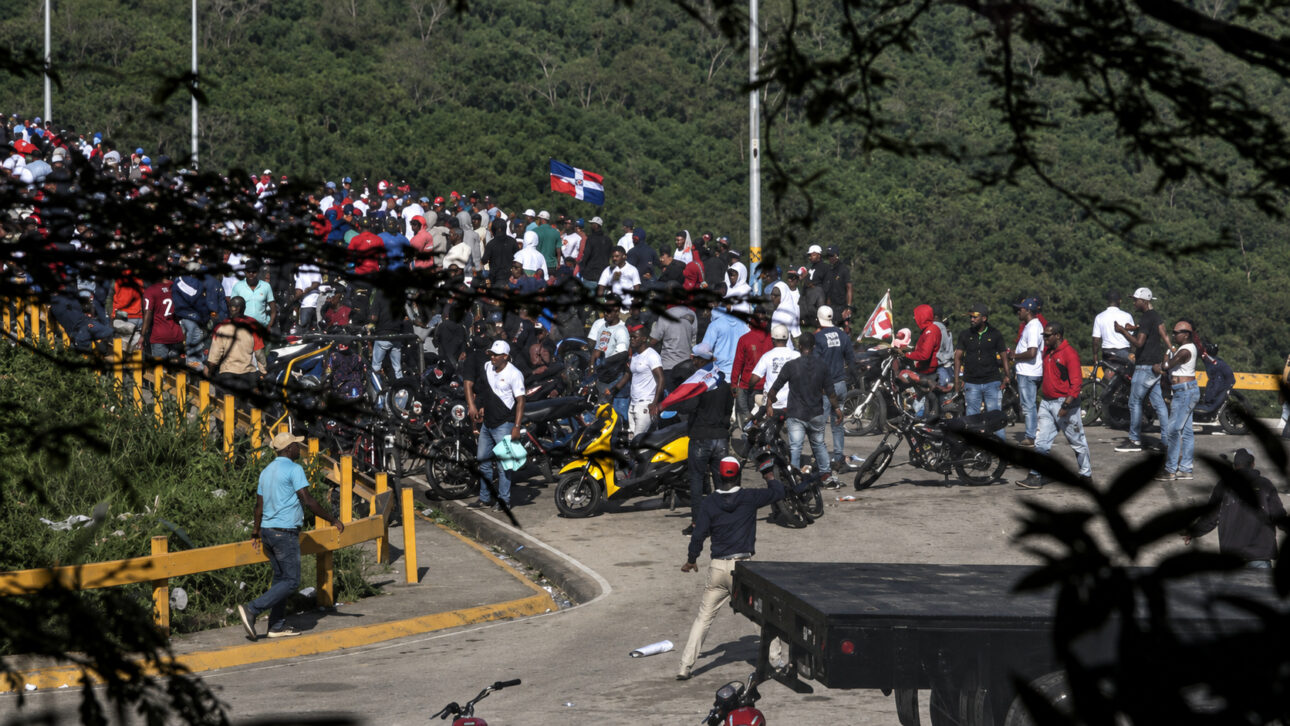
Thousands of residents walked 20 km to the Sabaneta dam in the province of San Juan to protest against the gold and copper project of GoldQuest Mining.
Popular pressure led President Luis Abinader, President of the Dominican Republic, to order in May 2026 the suspension of activities related to the Romero Project, still in the environmental assessment phase and without an exploration license.
The information was published by Reuters, an international news agency. The case put mining, water, crops, and environmental licensing at the center of a dispute that gained momentum before mineral exploration received authorization.
-
A tropical forest almost three times the size of Paris was devastated to supply a chain of packaging labeled as “carbon neutral,” while an international investigation traced the wood from deforested areas in Borneo to pulp mills and box production used by major brands in the health sector.

-
The sea has swallowed 32 houses in the USA and is forcing residents to lift entire buildings onto wheels to escape the collapsing coastline, as waves turn streets, yards, and stories of the Outer Banks into debris in the sand.

-
Spanish software engineer goes to work in the United States, reveals a salary of $14,144 in a single month and shows why young graduates are looking outside the country.
-
While France uses 4 purification barriers and 27 km of pipelines to transform treated sewage into reservoir reinforcement, Spain remains stalled by legal restrictions and distrust regarding human consumption.



March to the Sabaneta dam turned water fear into national pressure
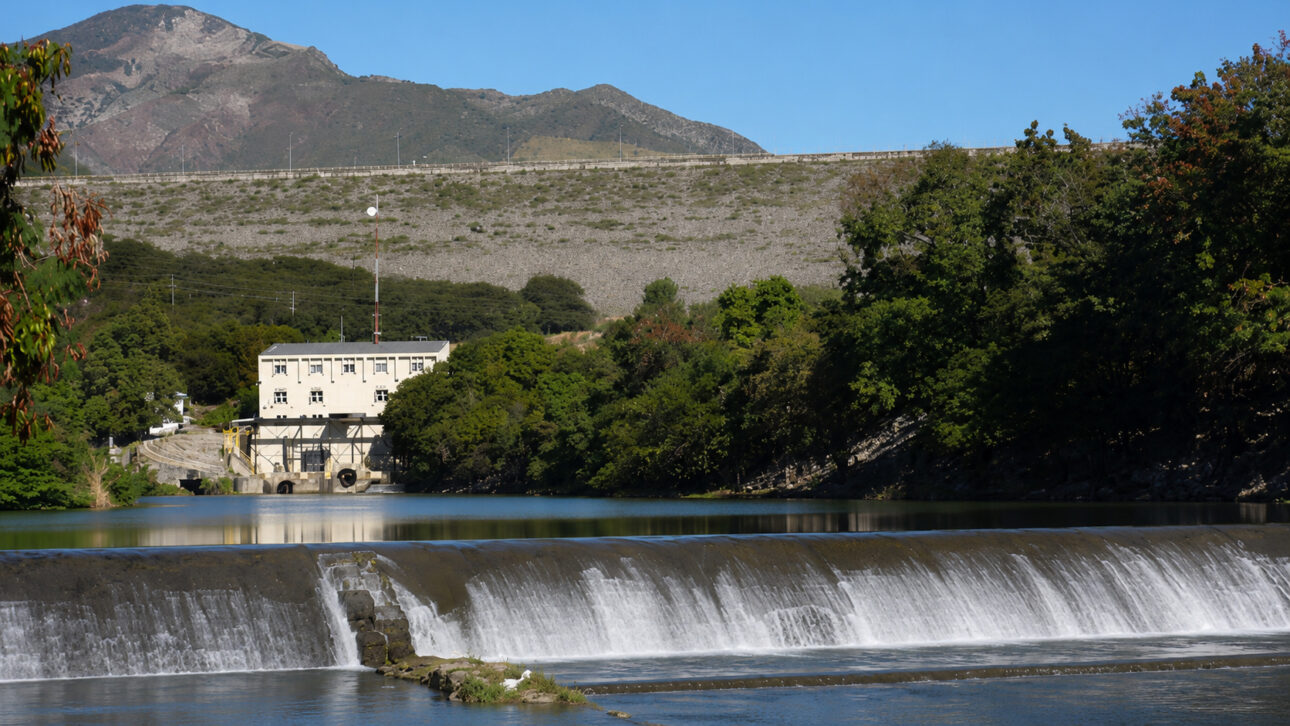
The 20 km walk through San Juan had a clear objective: to draw attention to the Sabaneta dam, identified as an important water source for the region.
Residents feared that the advancement of the Romero Project could threaten rivers, crops, and local supply. The mobilization was not about proven contamination, but about concern over environmental risk before the release of mineral exploration.
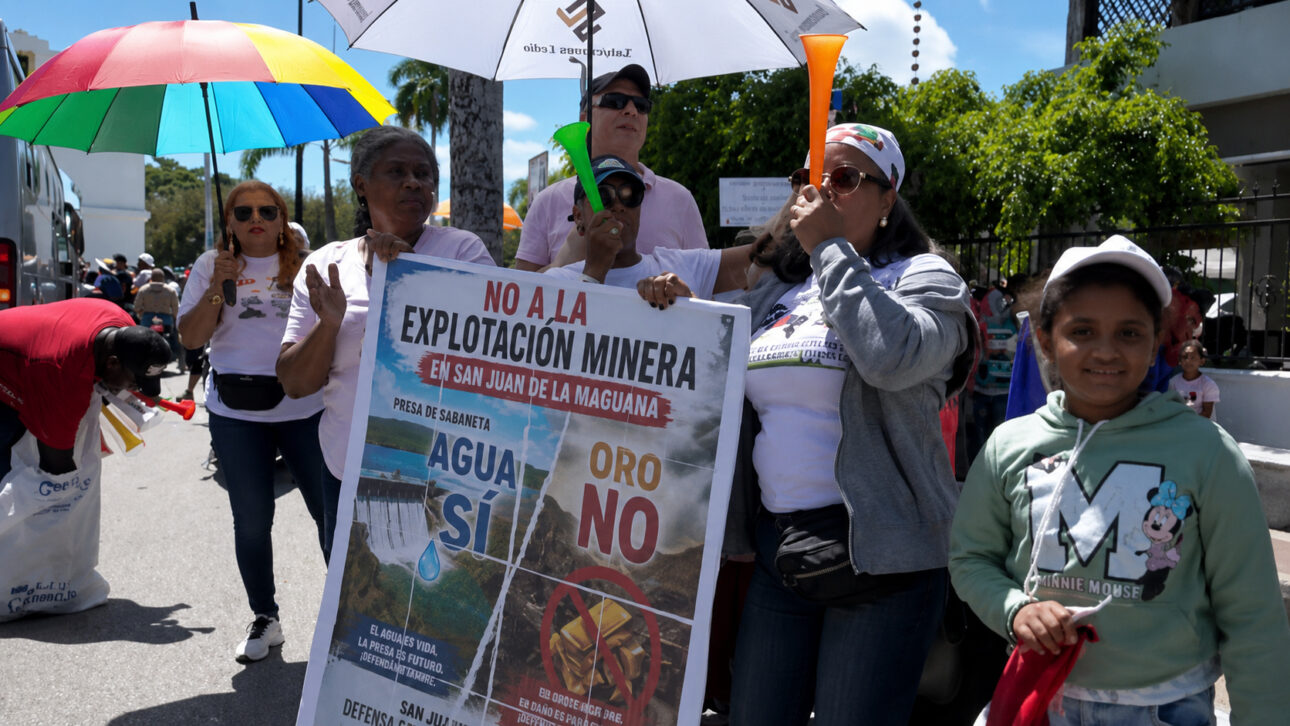
For families that depend on water to plant, work, and live, the dam became more than a supply structure. It came to represent the defense of an essential resource in the face of a gold and copper mining project.
President Luis Abinader ordered the suspension of the Romero Project after the protests
President Luis Abinader ordered the suspension of any activity related to the Romero Project, a venture linked to GoldQuest Mining, a Canadian mining company.
The decision came after the demonstration in San Juan. The project was still in the environmental assessment phase, a stage used to analyze possible impacts before a larger authorization.
The most important point is that the project did not have an exploration license. This license is the authorization that would allow advancement to mineral extraction. Without it, the case was still in the field of analysis, licensing, and social pressure.
Gold and copper project still depended on environmental assessment
The environmental assessment phase functions as a risk analysis before allowing an activity that may affect soil, water, fauna, crops, and nearby communities.
In the case of the Romero Project, the residents’ concern was linked to the fear that a future mining operation could impact rivers and agricultural areas. This concern was enough to mobilize thousands of people.
The suspension does not mean that a mine has contaminated the water. The central fact is different: the Dominican government halted activities related to the project while there were protests and public concern about possible impacts.
Reuters detailed the impasse between mining, crops, and local supply
Reuters, an international news agency, detailed that GoldQuest Mining acknowledged the demonstrations and stated a commitment to transparent development.
The company also advocated for less harmful physical extraction methods and long-term benefits for the local population. Even so, residents of San Juan maintained the fear that mining could affect rivers and crops.
The dispute shows an easy-to-understand conflict. On one side, there is a mineral project with economic potential. On the other, there are communities that see water as a priority for daily life, agriculture, and the future of the region.
San Juan became the stage for a dispute between mineral wealth and water security
The province of San Juan became the center of discussion because it brings together the project site, popular mobilization, and the dam that supplies the region.
The walk to the Sabaneta dam increased the political weight of the protest. When thousands of people go to a water source, the message is no longer just against a company but about protecting the territory.
The reaction also shows how mining projects face resistance when the population perceives a risk to basic resources. For those who live off the land and water, any doubt about contamination weighs heavily.
Case exposes the weight of environmental licensing in mining projects
Environmental licensing is the process that assesses whether an activity can proceed, what risks exist, and what precautions need to be required. It functions as a safety barrier before a more intensive construction or operation.
In the case of the Romero Project, this process had not yet reached the exploration license. Therefore, the presidential suspension was preventive, amid pressure from residents and fear of future damage.
The decision put the Dominican Republic before a difficult choice: allow the project to proceed only with sufficient guarantees or maintain caution while communities demand more protection for rivers, crops, and supply.
The suspension of the GoldQuest Mining’s gold and copper project shows how mining and water can become an intense public dispute, especially when the population directly depends on rivers and dams.
In San Juan, the 20 km march to the Sabaneta dam turned a local concern into a presidential decision and made it clear that the debate involves not only minerals but also trust, food, and water.
Do you think a mining project near water sources should be suspended in the face of protests and perceived risks, or only after concrete proof of damage? Comment and share your opinion.




Be the first to react!