





 Portuguese
  English
  Spanish
 5 min of reading
  0 comments


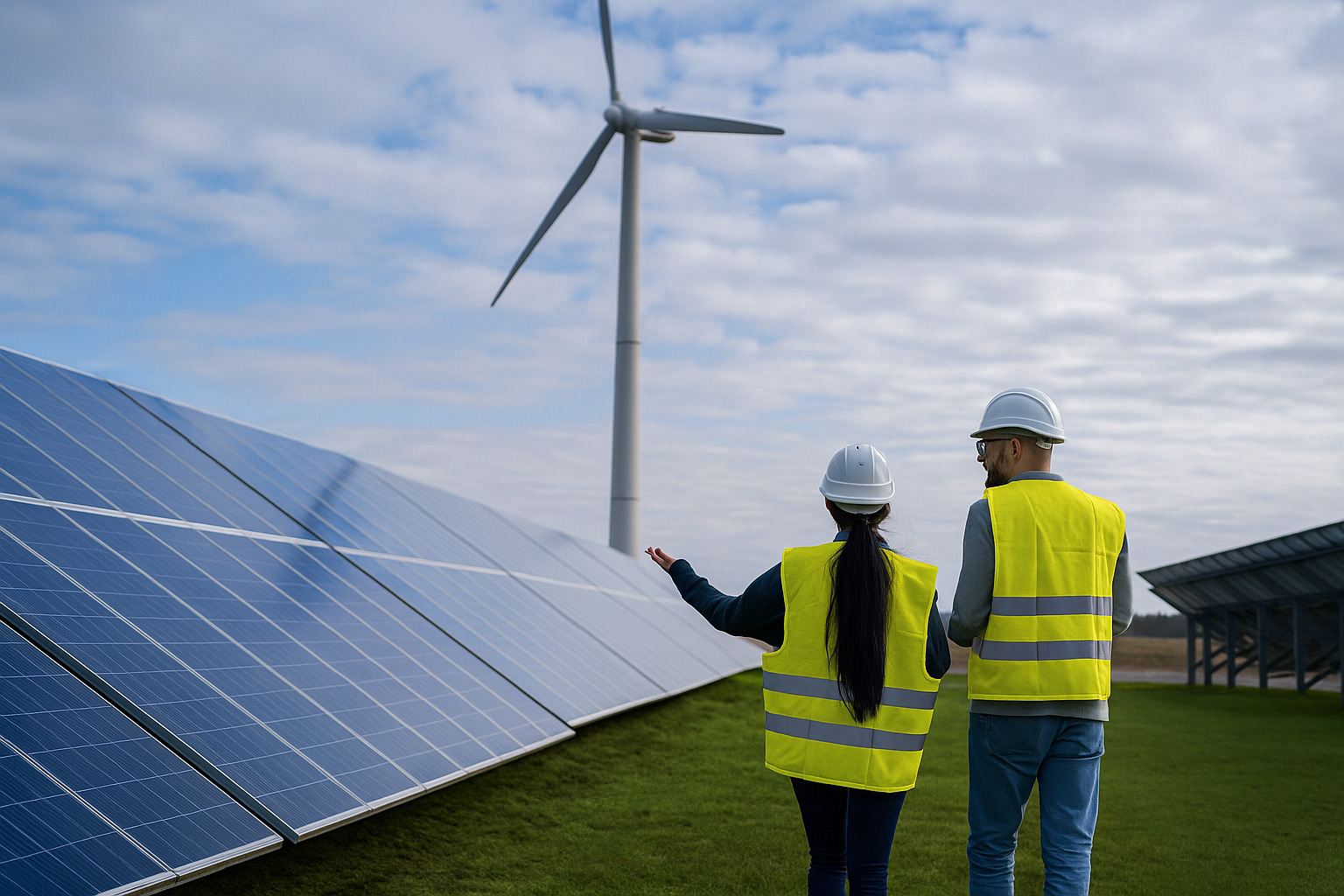
Bahia Stands Out as a Reference in Renewable Energies, Reinforcing Its Leadership in Clean Energy and Commitment to Sustainability.
The Bahia has stood out in recent years as one of the most promising Brazilian states in the clean energy sector. This prominence does not arise by chance, but results from decades of strategic investments, public policies, and private initiatives focused on sustainability.
Recently, the president of Neoenergia Coelba, Thiago Guth, reaffirmed this position during the 3rd Congress on Law and Sustainability, in Salvador, highlighting the leadership of Bahia in clean energy and the role of the utility in the energy transition.
Historically, Bahia has always maintained a close relationship with energy. Since the 1950s, the state has invested in hydroelectric plants, leveraging its water potential, especially in the São Francisco River. These initiatives initiated the construction of a solid energy infrastructure, which expanded over the years to new generation sources.
-
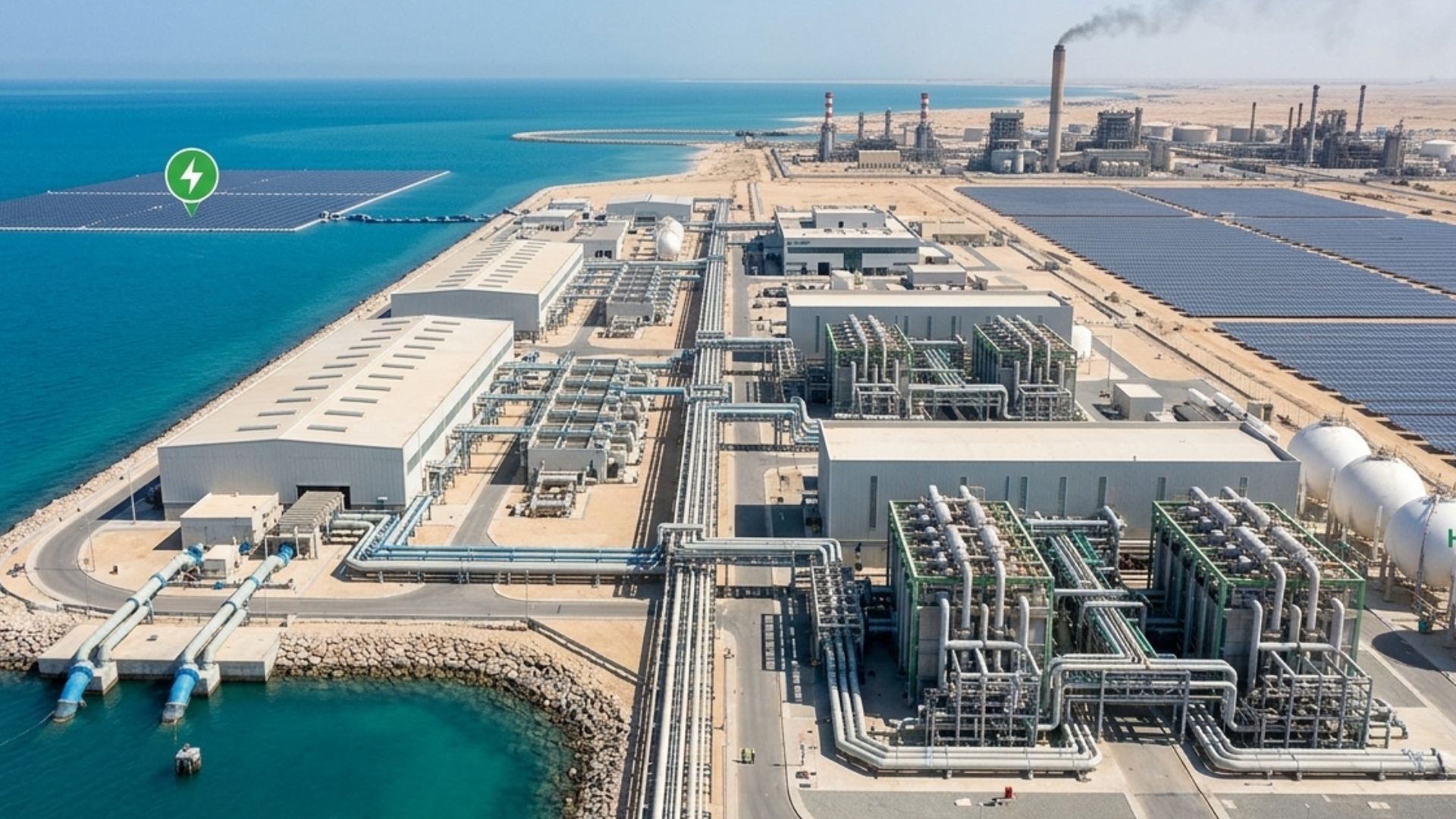
The world has bet on green hydrogen as the fuel of the future, but now faces the side effect: producing 1 kilogram requires about 9 liters of ultrapure water, and the largest projects on the planet are precisely in the driest regions of the Earth, where water is already scarce for people.

-
Africa has about 500,000 cell towers and most still burn diesel to operate, while companies rush to cover antennas with solar energy and avoid signal blackouts.

-
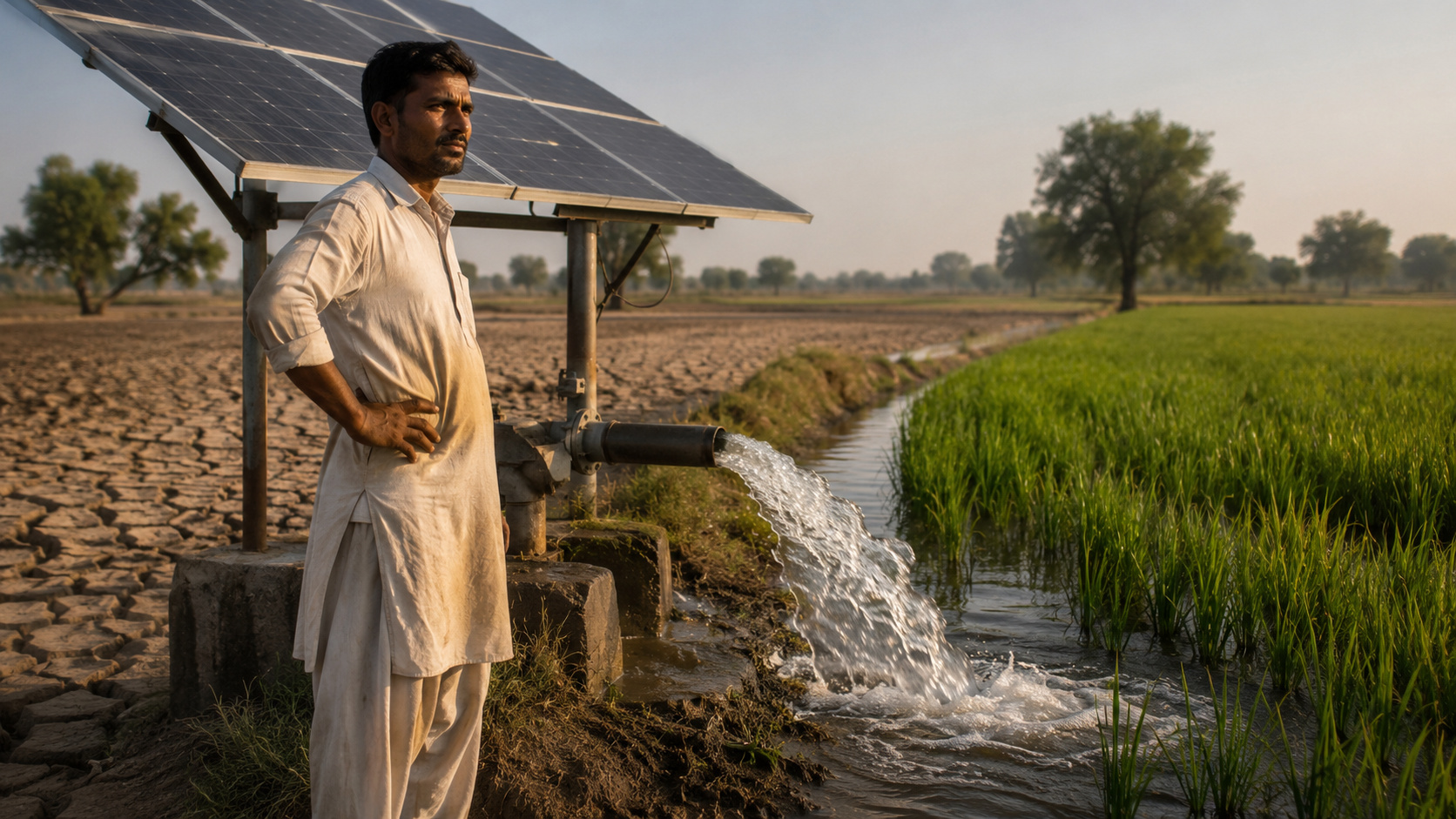
Farmers swapped diesel for solar panels in Pakistan, powered irrigation pumps almost cost-free, expanded rice fields, and now groundwater has become a red alert in the countryside.
-
Migrant workers left the world’s largest renewable energy park in India after extreme heat, 12-hour shifts, delayed wages, and poor accommodations at a site that still promises to supply 18 million homes.


Over time, the state realized that sustainability and diversification of sources were essential not only to meet energy demand but also to promote economic development responsibly. Furthermore, Bahia’s trajectory shows that investment in energy extends beyond electricity generation.
Consequently, over the decades, the state also fostered academic and technological research, encouraging the training of professionals skilled in energy engineering, renewable energies, and energy efficiency. This educational and technological foundation directly contributed to companies like Neoenergia Coelba investing more securely and effectively in innovative projects, strengthening the state’s position in the national scenario.
Expansion of Renewable Energies and the Role of Neoenergia Coelba
In recent years, the expansion of wind and solar energy has established Bahia as a true hub of renewable energies in Brazil. Moreover, the combination of constant winds, high solar incidence, and large land availability has made the state a favorable environment for large-scale projects.
According to Guth, the state is receiving an increasing number of requests for connections from solar plants, highlighting Bahia’s potential to lead the energy transition in the country. Thus, these investments strengthen the energy matrix, create jobs, foster technological research, and stimulate the local economy.
Neoenergia, through Coelba, plays a strategic role in this scenario. The company operates throughout the energy generation, distribution, and transmission chain, consolidating Bahia’s energy infrastructure. According to Guth, “there is no development if it is not sustainable. We must look at the present to ensure a future of economic growth, but with responsibility.”
Therefore, this vision reflects that Bahia’s leadership in clean energy goes beyond numbers, representing a real commitment to sustainability and social development.
Additionally, the creation of incentive programs for solar energy in households and small businesses allows families and entrepreneurs to participate in the energy transition, reduce costs, and increase their autonomy. Thus, Bahia consolidates itself not only as a producer of clean energy but also as a promoter of a sustainable culture among the population.
Renewal of the Concession Contract and Commitment to Development
Guth also highlighted the importance of the renewal of Coelba’s concession contract in Bahia. This process, which involves discussions at the federal level, underscores the need to constantly update the energy infrastructure and seek solutions that meet population growth and the demand for clean energy.
Furthermore, according to the president of Coelba, “we maintain a constant dialogue with the state government, federations, associations, and other public bodies. We are committed to continuing to invest and strengthening the energy infrastructure to support Bahia’s development.”
It is worth noting that Bahia’s trajectory in the energy sector did not begin with renewable sources. For much of the 20th century, hydroelectric energy predominated, and the state’s industrialization depended on this generation. However, with technological advances and greater awareness of climate change, it became evident that diversifying the energy matrix was essential.
Therefore, the entry of wind and solar energy on a large scale has changed the landscape, positioning Bahia as a protagonist in a sector that is rapidly growing worldwide.
Moreover, the growth of renewable energies has brought significant social benefits. The generation of clean energy boosts the local economy, creates jobs, and promotes the technical training of professionals. At the same time, by reducing dependence on fossil fuels, it improves environmental quality and contributes to the reduction of greenhouse gas emissions.
In this sense, Bahia’s leadership in clean energy represents a technological advancement and a commitment to the well-being of future generations.
Technological Innovation and Global Transformation
The strategic vision of Neoenergia Coelba, highlighted by Guth, reinforces that investing in sustainability is not just an environmental obligation but also an economic opportunity.
Consequently, companies that invest in renewable energies position themselves ahead of industry transformations, gaining competitiveness and reliability with society. This movement also inspires other regions of the country to invest in clean energy solutions, replicating successful models and strengthening the national energy transition.
Another fundamental aspect is the encouragement of technological innovation. The development of more efficient energy generation and distribution systems, integrated with smart grids and digital solutions, allows for optimization of resources and reduction of waste. Thus, Bahia, with its leadership in the sector, has become a natural laboratory for applying these technologies, combining tradition in wind and hydroelectric energy with solar and digital innovation.
In this way, this historical context of learning and adaptation helps explain why the state occupies a prominent position in the Brazilian energy landscape today.
Moreover, the expansion of clean energy in Bahia reflects global transformation. With increasing pressure for actions to combat climate change, countries and companies are adopting ambitious carbon emission reduction targets. In this scenario, states like Bahia gain relevance not just nationally but also internationally, showing that it is possible to generate economic growth while protecting the environment.
Therefore, Bahia’s leadership in clean energy is the result of continuous effort, strategic planning, and social engagement.
A Model of Sustainable Development
Thus, Bahia has consolidated itself as a reference in renewable energies in Brazil thanks to a combination of historical, geographical, economic, and technological factors. Additionally, the actions of Neoenergia Coelba, aligned with the commitment to sustainability and innovation, reinforce this position.
Guth highlighted that the state has a unique potential to lead the energy transition in the country, promoting economic development, job creation, and environmental preservation. Bahia’s trajectory shows that leadership in clean energy is not just an immediate goal but a long-term commitment to a sustainable future.
In summary, Bahia’s leadership in clean energy is an example of how regions can transform through innovation, strategic planning, and socio-environmental responsibility. Thus, the continuous commitment of the public sector, private sector, and civil society allows the state to be seen as a model of sustainable development, inspiring other regions in Brazil and the world.
Therefore, Bahia not only generates energy but also envisions a future where economic growth and sustainability walk hand in hand, consolidating itself as a protagonist of the national energy transition.






Be the first to react!