






 Portuguese
  Spanish
  3 min of reading


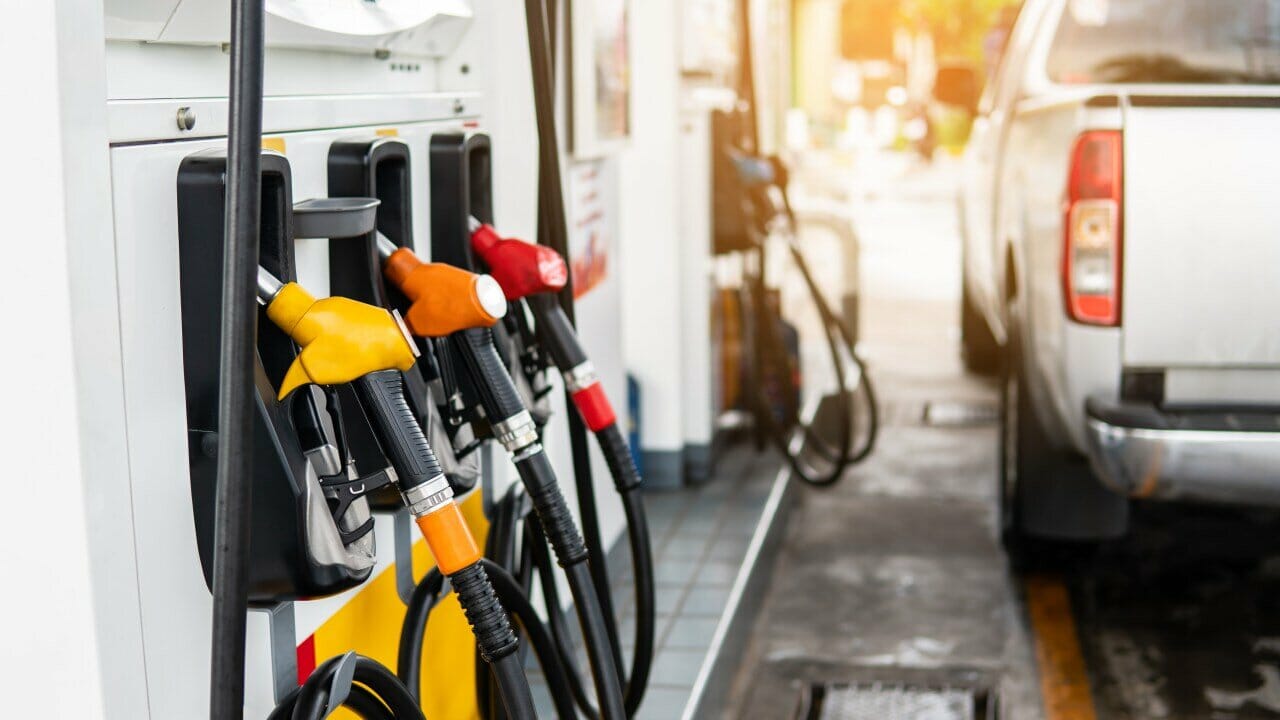
As The New Pricing Policy Of Petrobras Aims To Bring More Predictability To Consumers And Monitor International Market Variations In A More Controlled Manner, The Reflections Of This Increase In Diesel And Gasoline Prices Continue To Reverberate In The Daily Expenses Of Brazilians And In The Dynamics Of The Food Market.
Last week, Petrobras took measures that had direct repercussions on gasoline and diesel prices, raising concerns about the economic impacts this change will bring to society. According to economist Carlos Eduardo Oliveira Júnior, president of the São Paulo Economists’ Union, increases in fuel prices have a cascading effect that directly affects people’s daily lives, especially in the cost of food.
Price Increases In Fuels Generate Repercussions For Brazilians And The Food Market
The population, in general, is already beginning to feel this impact of rising fuel prices in their wallets.
This affects not only personal transportation but also the transportation of goods and services.
-
Neighboring Balneário Camboriú will receive a R$ 1 billion airport with 225 hangars, an area of 2.2 million m², a technology park, and an export zone that promises to transform the economy and generate thousands of jobs.

-
After investing R$ 5,000 in fried chicken in his backyard, a Brazilian transformed two fryers and a freezer into a network with 115 sales points, presence in up to 17 states, and revenue exceeding R$ 115 million per year.
-
Not even Trump convinces the market: U.S. companies state that Brazil has no substitute, pressure Washington against the 25% tariff, and warn that the measure could raise prices, cause layoffs, delay projects, and harm sectors that depend on stones, wood, seeds, and other Brazilian products.

-
It’s not just Bolsa Família: CadÚnico can provide access to seven little-known benefits, including cheaper electricity bills, free interstate travel, microcredit, cisterns, popular phone service, and exemption from fees in public exams and the Enem.




Society as a whole is likely to notice fluctuations in product prices in the coming months, explains Oliveira Júnior.
Petrobras, seeking a new approach to its pricing policy, has stopped linking fuel price variations to the dollar and the international commodities market.
This change allowed for a recent reduction in fuel prices in Brazil.
However, the company announced this week that, due to increases in oil prices, adjustments will be made according to the commercial strategy.
According to economist Luigi Mauri, this new pricing strategy brings more predictability to consumers, as it is not subject to global market volatility.
He points out that this current adjustment may impact some items in the medium term, such as increases in food prices, but it is unlikely to immediately affect public transportation.
Since there is no longer a parity with the international oil barrel and the dollar, consumers have more predictability.
However, a rise is expected in the medium term. By the end of the year, consumers are likely to notice an increase in food prices, for example.
However, public transportation should not be initially affected, as it is highly subsidized.
Therefore, even with increases in fuel prices, there will not be an immediate increase in fares, details Mauri.
Petrobras’ New Pricing Policy Seeks Predictability, But Experts Warn Of Possible Mid-Term Consequences
The announced adjustments have brought significant variations in fuel prices.
Regular gasoline, produced at refineries and supplied to distributors, experienced an average increase of R$ 0.41 per liter, raising its price at the pumps to R$ 2.93, an increase of approximately 16%.
It is important to emphasize that the gasoline sold at the pumps is a mixture composed of 73% regular gasoline and 27% anhydrous ethanol.
In the case of diesel, the average selling price to distributors increased by R$ 0.78, reaching R$ 3.80 per liter, representing an adjustment of 26%.
For the end consumer, diesel is composed of 88% diesel A, produced at refineries, and 12% biodiesel.
In light of these changes, it is clear that adjustments in fuel prices have an impact that goes beyond the fuel tank of vehicles.
The market will closely monitor the consequences of these decisions, especially regarding the potential influence on food prices and overall transportation costs.










Be the first to react!