






 Portuguese
  Spanish


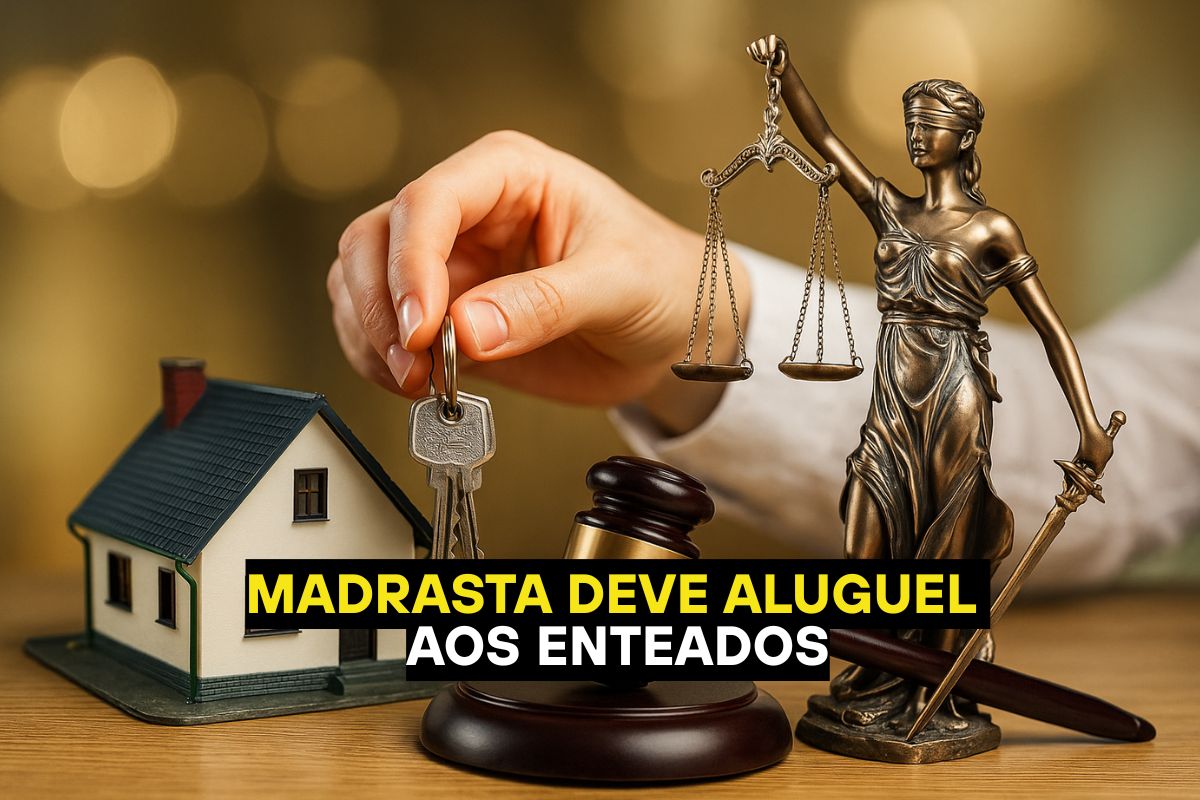


TJ/SP Decision Determined That Stepmother Must Bear 75% of Rent to Continue Living in Property Co-owned by Deceased’s Children.
A recent decision by the São Paulo Court of Justice drew attention for involving a delicate issue: stepmother is ordered to pay rent to her stepchildren to continue living in a property inherited from the family. The case, judged by the 8th Chamber of Private Law, confirms the sentence from the 4th Civil Court of the Regional Forum of Nossa Senhora do Ó.
According to the Migalhas portal, in the decision, the woman must bear the equivalent of 75% of the amount established in the enforcement of the sentence, as the deceased partner’s children are co-owners of half of the property.
The process highlights how division of assets and inheritance rights can lead to complex disputes, especially in blended families.
-
Seniors Over 60 Can Travel for Free Across Brazil: Elderly Statute Ensures Two Free Bus Seats and 50% Discount When Full for Low-Income Passengers

-
Detran RJ starts requiring a toxicological test for those obtaining their first driver’s license in the car and motorcycle category starting June 29; see who will be affected.

-
Florida takes TikTok to court and accuses the Chinese giant ByteDance of ignoring the law that bars minors under 14, while parents and authorities demand more protection for children on social networks.
-
Chamber approves constitutional amendment reducing the age of criminal responsibility from 18 to 16 years; what now?




Why the Stepmother Was Ordered
The case began when the stepmother continued living in the apartment after the death of her partner.
The central detail is that the property was not his sole property, as it had been partially shared with the children from his first marriage after the death of his first wife. This made the stepchildren co-owners of 50% of the asset.
In this context, the judges understood that the right of habitation, provided in situations where the surviving spouse or partner can remain in the property, did not apply.
This is because the deceased did not own the entirety of the property and therefore could not transfer such a right to the second partner.
The Court’s Reasoning
The rapporteur of the appeal, Judge Ronnie Herbert Barros Soares, was categorical in affirming that there was no legal bond of affinity or solidarity between the stepmother and the children of the deceased.
For the magistrate, the stepchildren’s rights over the property had already been consolidated through their mother’s inheritance, who passed away before the stable union with the defendant.
The decision also included votes from judges Silvério da Silva and Pedro de Alcântara da Silva Leme Filho, who fully supported the rapporteur.
The ruling was unanimous, reinforcing the interpretation that the co-ownership of the children prevails over any intent of exclusive use by the stepmother.
What the Case Teaches About Family Succession
This ruling shows how conflicts involving inheritance and co-ownership can intensify in blended families.
The lack of clarity regarding rights and duties often leads to long and exhausting legal disputes.
Experts emphasize that it is essential to formalize property agreements whenever possible to prevent companions or heirs from facing situations of legal insecurity.
Decisions like this reinforce that co-ownership cannot be ignored, even in the face of emotional ties.
The case where the stepmother is ordered to pay rent to her stepchildren illustrates how the justice system balances inheritance rights in co-ownership situations.
While some argue that the decision protects the heirs’ assets, others believe it may weaken those who have also built family ties with the deceased.
And you, do you think it’s fair for the stepmother to pay rent to continue living in the property? Does this decision protect the children, or does it generate even more conflicts in blended families?
Leave your opinion in the comments and join the discussion.









Um exemplo que acredito seria essa situação , Inha mãe faleceu e morava no imóvel , meu pai não fez o inventário , três anos depois se casou novamente sem fazer a partilha , algum tempo depois vendeu esse apartamento e também não fez a partilha com esse dinheiro comprou outro imóvel , agora faleceu , como ficaria essa situação??
Correta a decisão, não cabendo o direito de habitação pretendido.