






 Portuguese
  Spanish
  2 min of reading


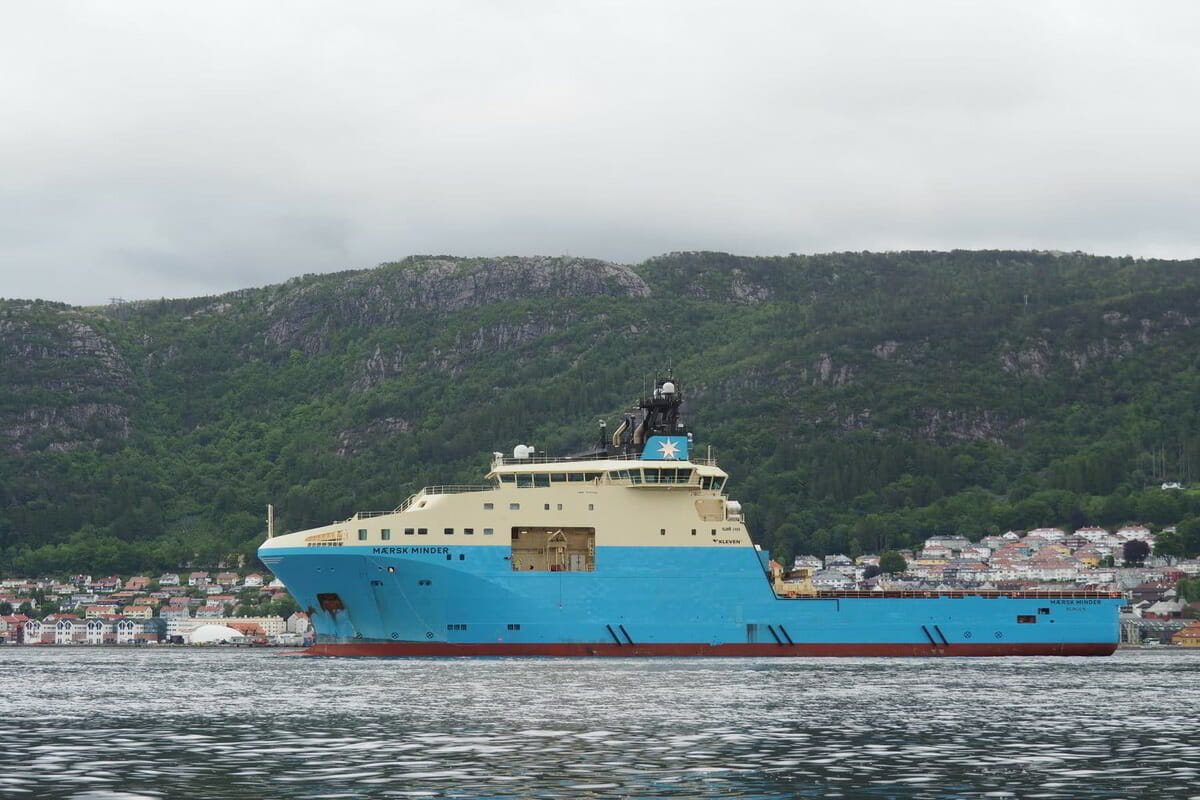
Maersk Supply Services, Danish Owner of Offshore Support Vessels, Secured a Three-Year Contract with Petrobras in Brazil.
The contract involves three class I anchor handling vessels, which will be used for various anchor handling activities and the movement of offshore drilling rigs. Maersk Leader, Maersk Launcher, and Maersk Lancer have been delivered in Brazil and now join the other vessels in the Maersk Supply Service fleet currently serving the Brazilian and Latin American markets.
The Danish company did not disclose the financial details of the contract, which follows a series of solutions contracted by the company in Brazil since 2017. Among them is the FPSO Fluminense, on behalf of Shell, and the Mero 2 contract for Petrobras. Maersk highlighted its portfolio of EPCI solutions for the safe and efficient manufacture, assembly, and installation of large floating assets. The company has 50 years of experience and a legacy in deep-water towing and anchoring scopes.
What Are Marine Operations
You may have heard the terms “offshore” and “onshore”, especially in the business world. But do you know the difference between them? According to experts, offshore refers to companies that operate in countries different from where their owners are located. Typically, these companies seek to take advantage of tax benefits in other nations and often have as their main activity the management of financial investments.
-
While many ports want to grow, Barcelona has decided to do the opposite and will cut cruise terminals from 7 to 5 after pressure from residents, protests, and crowds.

-
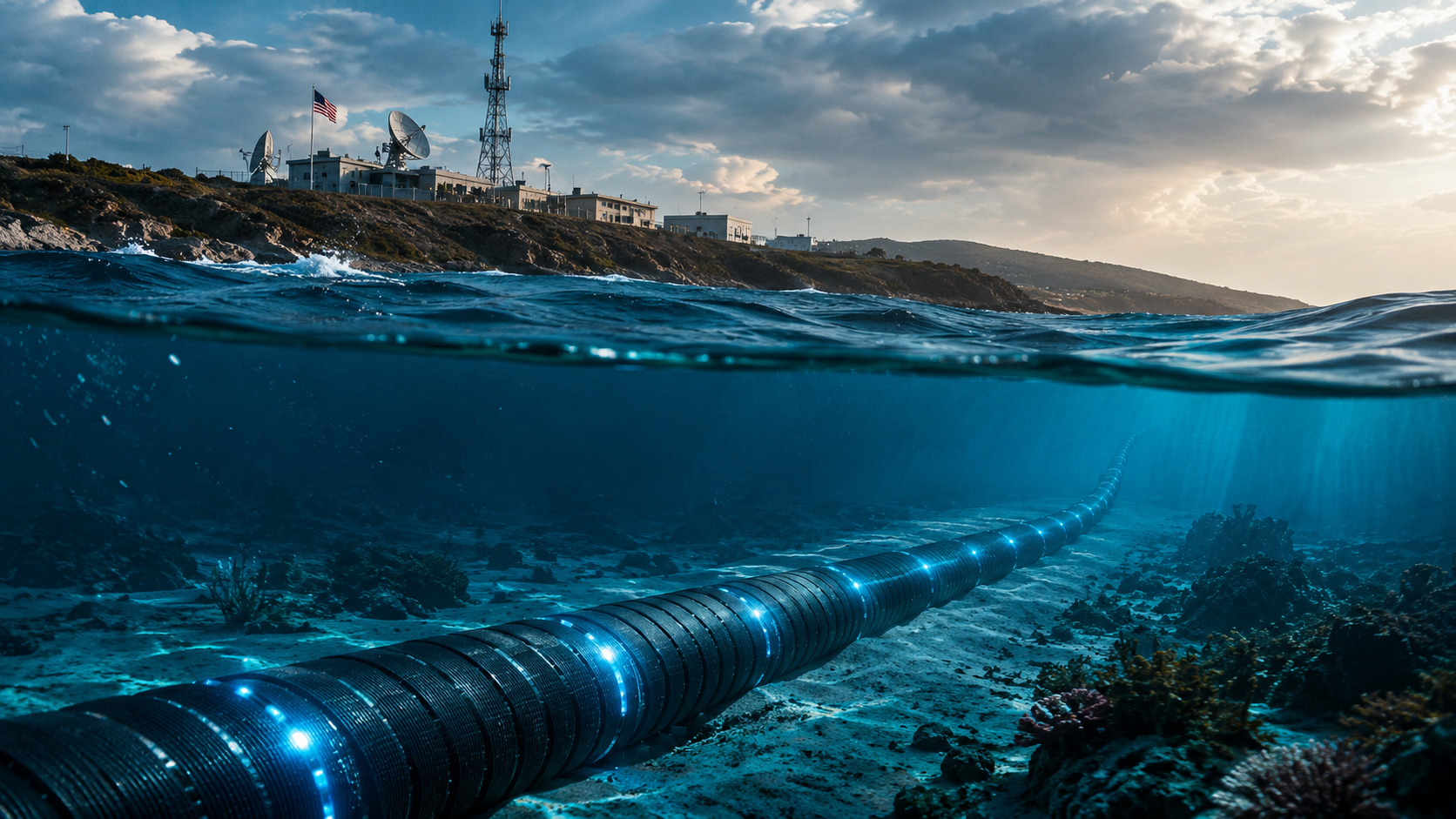
The United States wants to tighten control over submarine cables that carry 99% of international internet, silently cross oceans, total more than 400 routes worldwide, and have become a strategic piece in the competition for data, technology, and suppliers.
-
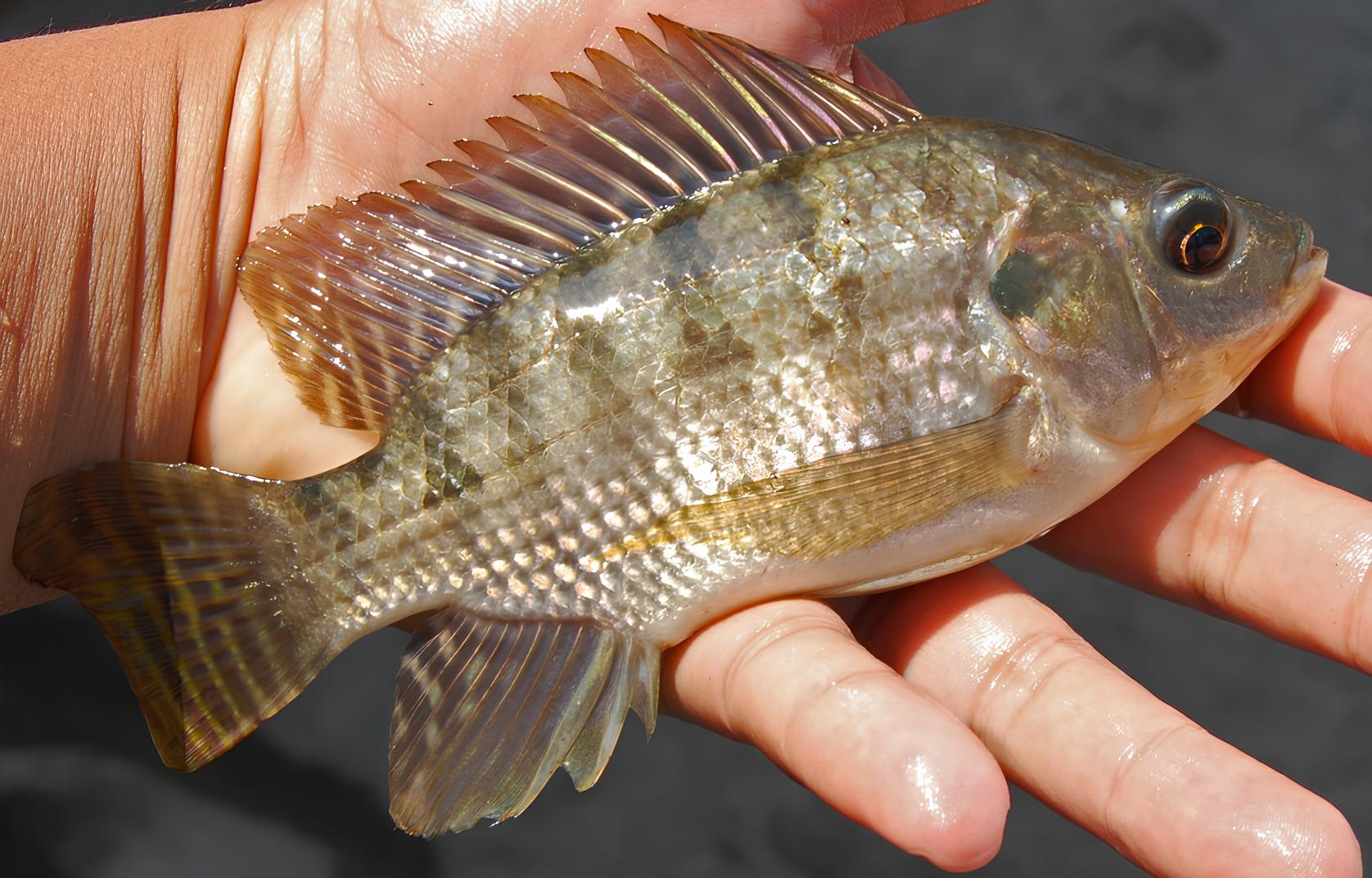
European Union looks again at Brazilian seafood after a nearly 8-year ban and may unlock a coveted market for lobster, tuna, tilapia, and shrimp.
-
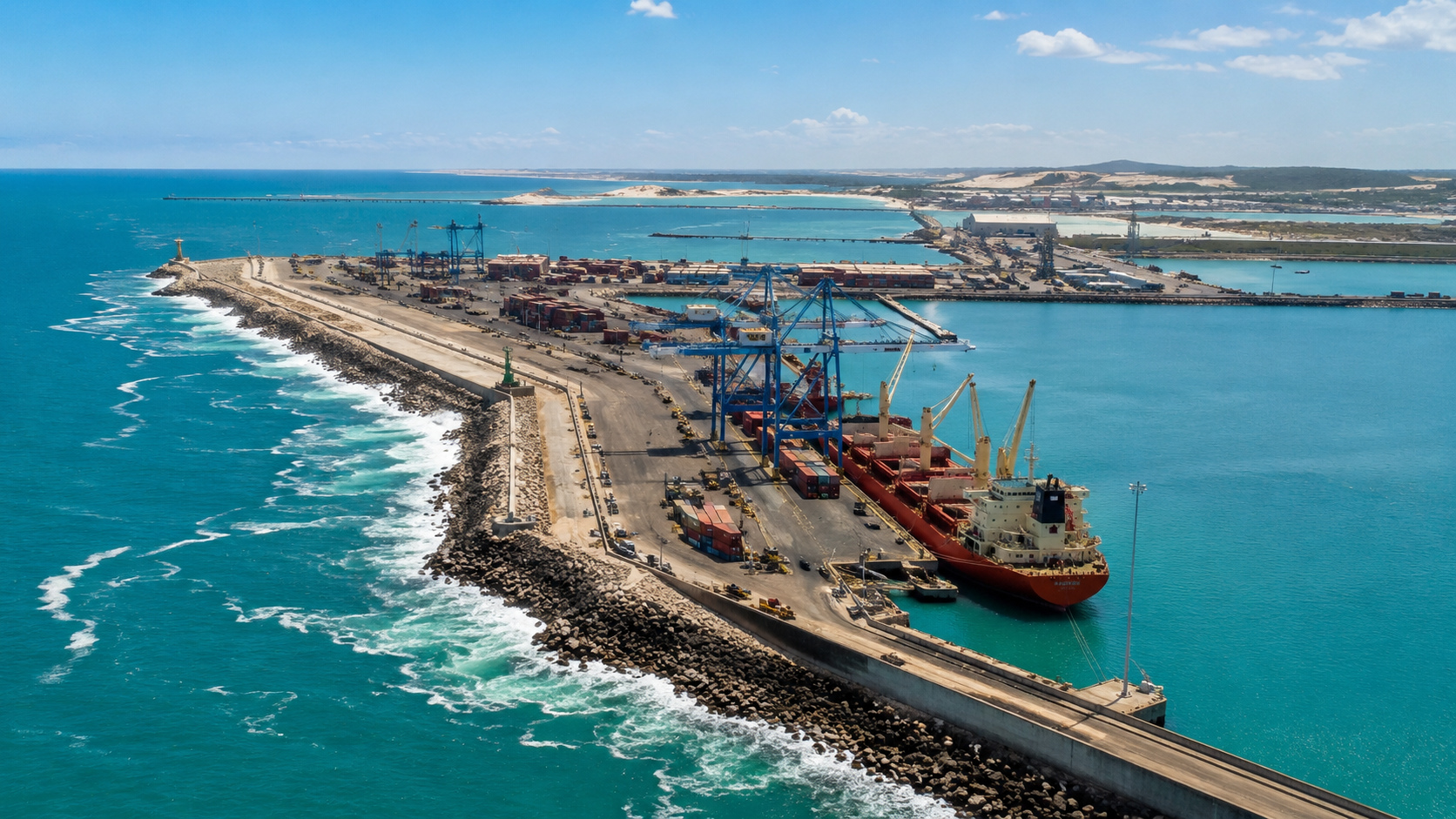
Voltalia secures 322 MW of electrical connection in Pecém and targets data centers with renewable energy, robust network, and dedicated wind projects in Ceará.


On the other hand, the term onshore refers to companies that operate only in the same country where their owners reside. These companies are usually subject to specific legal and tax issues in the country where they are located.
It is important to highlight, however, that offshore operations can also be carried out at sea, far from shore, such as oil and gas platforms, for example. In these cases, companies need to follow strict safety and environmental regulations to ensure the protection of their workers and the marine ecosystem.
In summary, the difference between offshore and onshore companies lies in the geographical location of their operations and the legislation to which they are subject. Therefore, it is crucial to understand these terms to make informed choices in the business world.







Be the first to react!