Portuguese
  Spanish



New Phase of Inpasa Plant in Sinop Highlights Brazil’s Role in Global Bioeconomy and the Search for Sustainable Fuels
This Tuesday, Inpasa enthusiastically announced the start of the operations of the fourth and final phase of the plant, which is now the largest corn ethanol biorefinery in the world. Located in Sinop, in northern Mato Grosso, this plant represents a significant advancement in Brazilian bioenergy. Additionally, this expansion reinforces the country’s commitment to more sustainable fuels. Since its inception in 2019, the plant has undergone continuous growth phases and now reaches a production capacity of 2.1 billion liters of ethanol per year, according to Forbes.
The New Era of Corn Ethanol in Brazil
The Inpasa plant in Sinop is recognized as the largest producer of corn ethanol in the world. It processes around 4.6 million tons of the cereal annually. This volume, in turn, represents approximately 10% of the total corn production in Mato Grosso. Therefore, the plant not only consolidates Inpasa as a leader in the biofuels market but also puts Brazil in the spotlight in the global bioeconomy.


Furthermore, the inauguration ceremony of the new phase of the biorefinery was attended by President Luiz Inácio Lula da Silva. During the event, he signed the “Fuel of the Future” bill, highlighting the federal government’s support for the development of sustainable technologies. “We are at a unique moment in Brazilian bioeconomy. Initiatives like this reaffirm our country as a protagonist on the global stage,” said José Lopes, President of Inpasa.
-
World’s Largest Engie Solar Plant in Brazil Highlights Billion-Dollar Energy Waste Issue: Company Considers Batteries and Bitcoin Mining to Avoid Wasting Production

-
Air Products Cancels $2.9 Billion Clean Hydrogen Megaproject in Louisiana, Shuts Down Arizona Unit, Highlighting High Costs of U.S. Energy Transition
-
Over 60 Tractors Take to the Streets in Lopera as Solar Parks Compete with Olive Groves, Affecting 13,000 to 100,000 Trees According to Conflicting Reports

-
Green Hydrogen Projects in Northeastern Brazil Stalled for 18 Months Awaiting Government Decree, Delaying Billions in Investments


Billion-Dollar Investments and Sustainable Co-Products
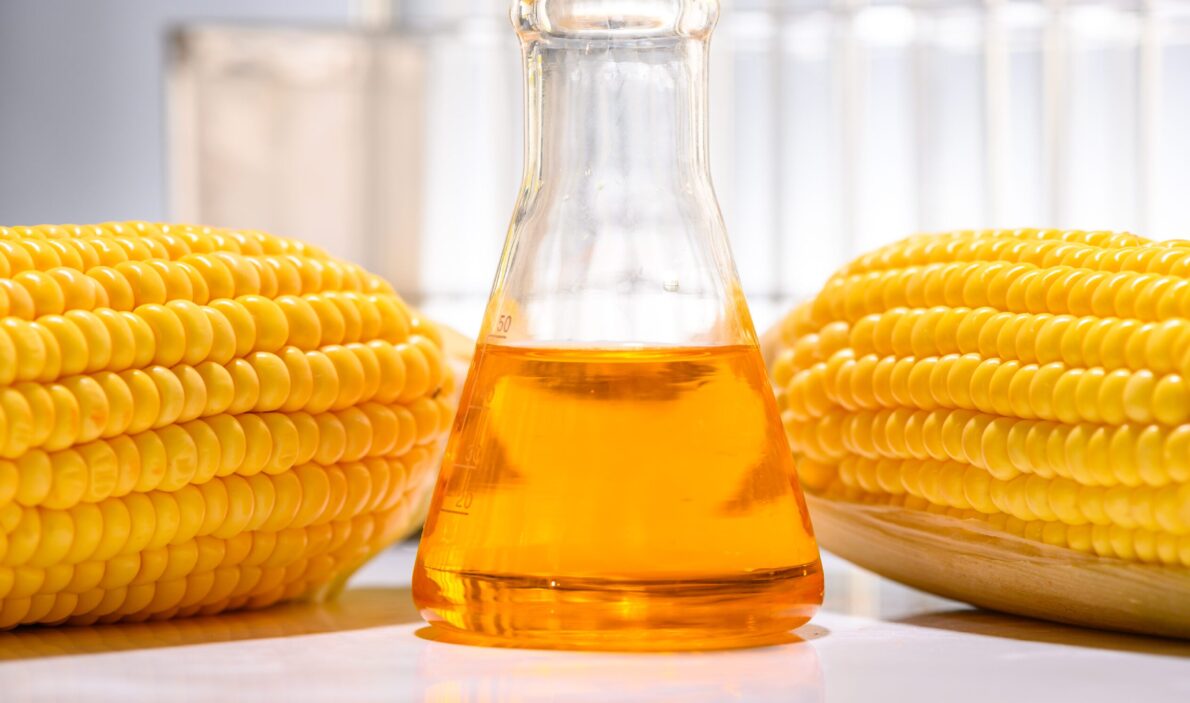
The Sinop plant received a total investment of R$ 4.1 billion. This amount reflects Inpasa’s commitment to the growth of the biofuels sector in Brazil. In addition to corn ethanol production, the unit also generates 1 million tons of DDGs, a valuable co-product for animal feed. Furthermore, the biorefinery produces 105 thousand tons of corn oil and 804.1 GWh of bioelectricity. This amount of energy is sufficient to power the plant itself and part of the regional electrical grid.
These co-products play a fundamental role in the sustainability of the corn ethanol production process. They ensure the full use of the raw material, minimizing waste. For example, the DDGs are highly nutritious and valued in the livestock industry. Meanwhile, the bioelectricity generated contributes significantly to the country’s renewable energy matrix.