Portuguese
  Spanish


Autonomous John Deere 9RX Tractor Uses 16 Cameras to See in 360 Degrees, Operate with Mobile Monitoring, and Take Advantage of Short Weather Windows in the Field
How can a tractor see objects in the field without someone sitting in the cab? The autonomous John Deere 9RX tractor uses 16 cameras to create a 360-degree view around the machine while it works.
The model was presented on January 6, 2025, during CES 2025. The information was released by John Deere, a manufacturer of machinery and technologies for agriculture. The proposal targets large-scale agricultural operations, where weather and lack of time can tighten field planning.
The 16 Cameras of the Tractor Form a 360-Degree View
The most striking feature of the John Deere 9RX is the 16 individual cameras installed in sets around the machine. They capture images from various directions and help form a complete view of the space near the tractor.
-
Scientists Develop Needle-Free Insulin That Penetrates Skin, Reduces Glucose in Animals Within an Hour, Paving the Way for Diabetes Patches and Creams for Humans

-
After 40 Years of Research, Powdered Coconut Water to Be Produced in Brazilian Biorefinery, Aiming to Revolutionize Health for Children, Elderly, and Hospital Patients
-
Queen Guitarist Brian May Collaborates with ESA Scientists to Study Asteroids Bennu and Ryugu Using 3D Simulations
-
Largest Known Single-Piece Meteorite, Weighing 60 Tons, Puzzles Scientists with Its Intact Fall and Lack of Visible Crater


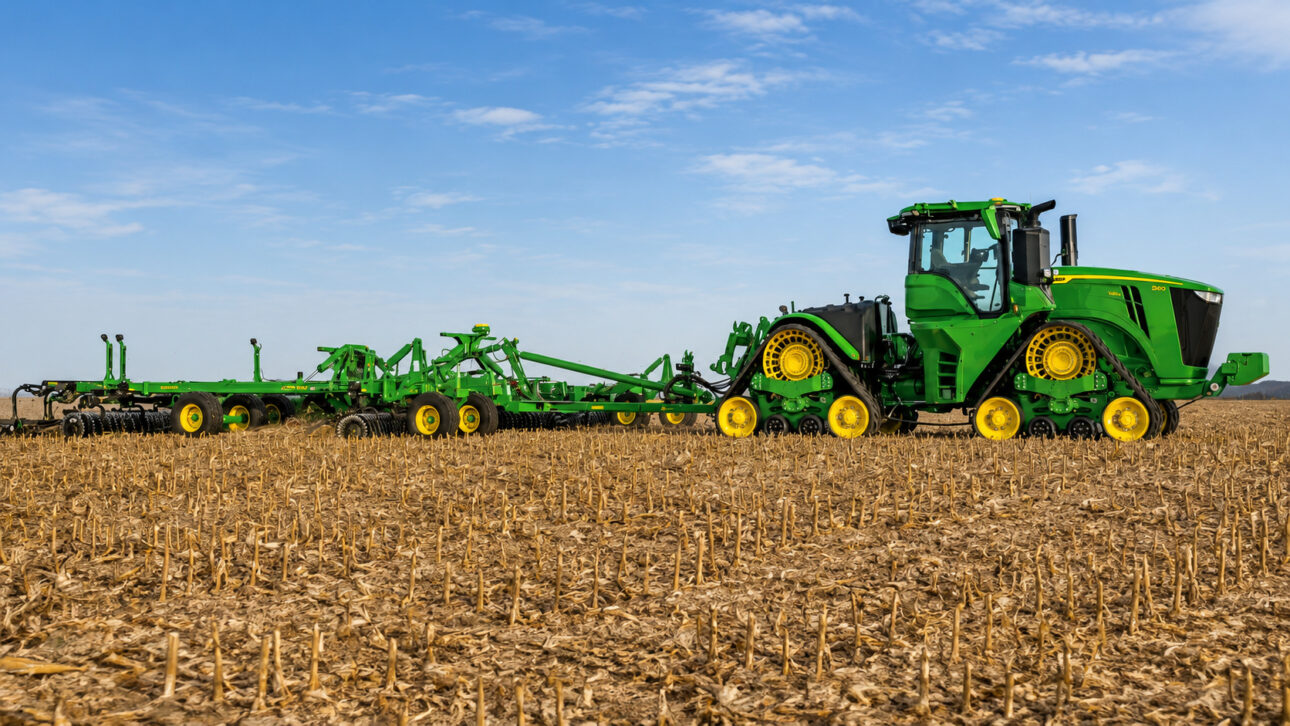
This view allows the identification of objects in the field and calculates the distance to them. In simple terms, the system observes what appears in the path and tries to understand if there is something that may require a stop or assessment by the responsible person.
Artificial intelligence plays a role in reading these images. It helps the system recognize patterns and distinguish a clear path from something that deserves attention, such as an unexpected object in the work area.
The producer does not need to stay inside the cab to observe the task. The equipment maintains the planned operation while the cameras monitor the surrounding field.
The Cell Phone Becomes an Operation Monitoring Center
Remote monitoring happens through the John Deere Operations Center Mobile, a digital platform used to track agricultural machinery and services. The producer can check the progress of the activity on a cell phone or tablet.
John Deere, a manufacturer of machinery and technologies for agriculture, states that the 9RX can be monitored remotely and sends alerts when it detects something in the path. The tool allows observing the machine even far from the area where it is working.
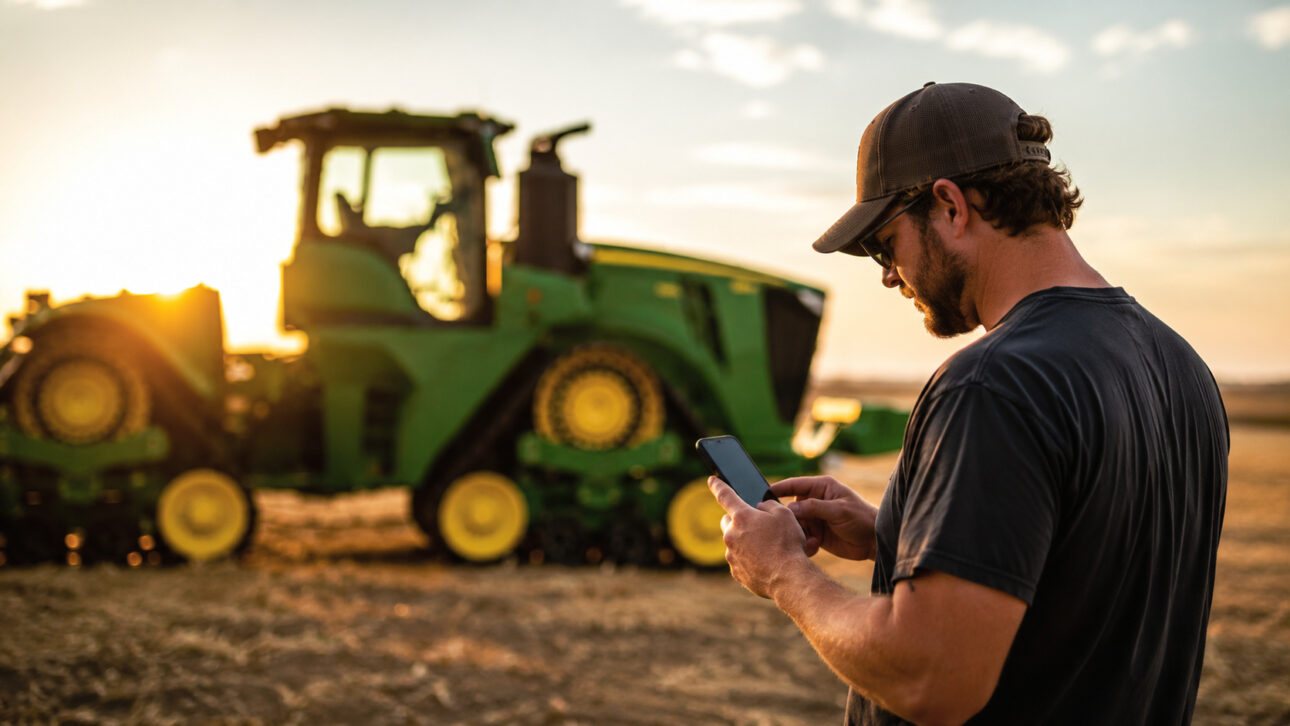
In practice, the phone does not turn the producer into someone who just presses a button and forgets the field. It functions as a monitoring screen, with useful information to act when necessary.
The work needs to be prepared before the tractor enters the area. The machine operates within a planned activity, with defined limits to prevent it from moving outside the designated service area.
Why weather turns time into money in the field
A short weather window is the period when field conditions allow a task to be performed. Rain, excess soil moisture, or rapid weather changes can reduce this interval.
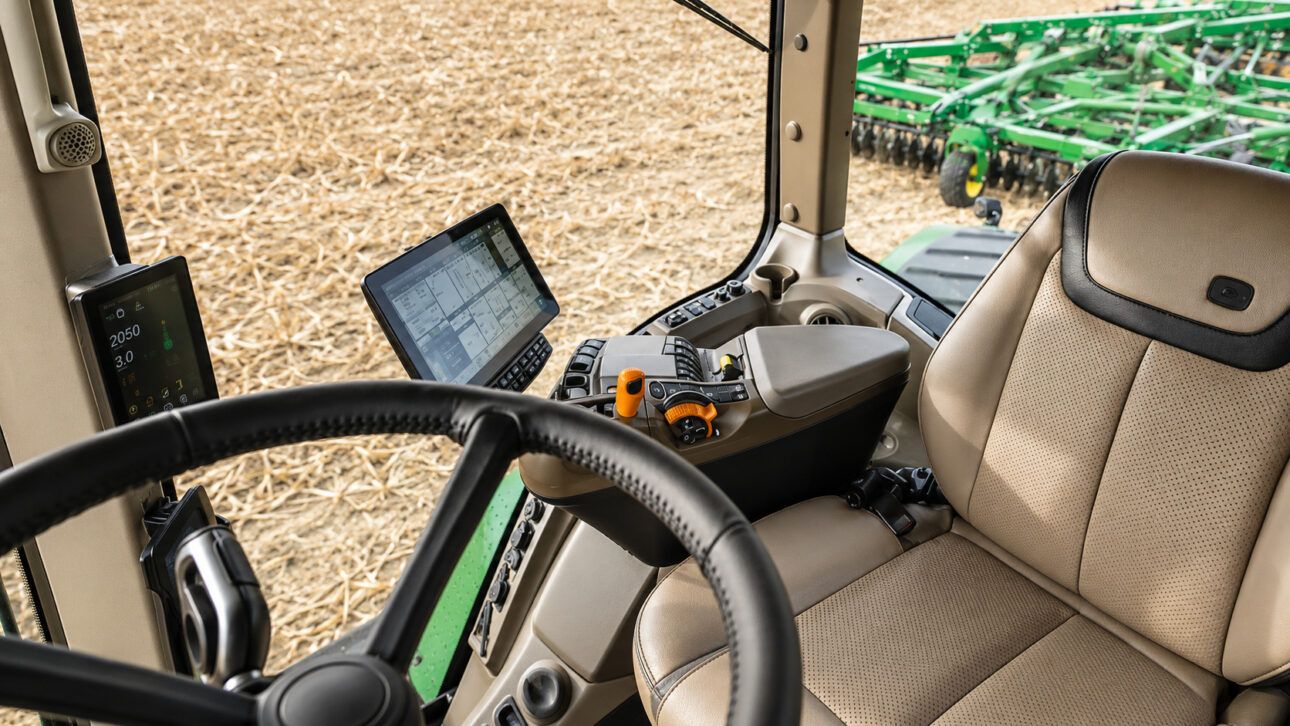
In large properties, every lost hour can increase pressure on the team. Soil preparation, for example, needs to happen at the right time to not disrupt the subsequent stages of the crop.
The autonomous tractor was designed to keep an activity going when the available time is short. The idea is to let the machine work while the producer monitors the service and takes care of other property decisions.
This does not eliminate weather risks, but it can help better organize the routine when the field demands speed. The technology seeks to reduce the time the machine would be idle due to the lack of someone in the cabin.
What still requires human oversight
The producer remains responsible for preparing the operation, checking the machine, and monitoring alerts sent during work. Autonomy does not transfer important decisions to the tractor.
It is also necessary to observe the implement, the name given to the tool pulled by the tractor to prepare the soil or perform another activity. A wrong configuration can compromise the service, even if the machine has cameras and remote monitoring.
When an unexpected object appears, the responsible person needs to assess the situation. The system helps to detect the problem, but it does not replace the human decision on whether to continue, stop, or change the activity.
The central point is simple: the cabin may remain empty during part of the operation, but the field is not left unattended. Technology reduces repetitive work but does not eliminate human presence in farm management.
What the John Deere 9RX Shows for Large Brazilian Agricultural Areas
Large agricultural areas require planning because a task can take many hours to complete. When rain approaches or the soil reaches the right condition for the service, farm organization becomes even more valuable.
The John Deere 9RX shows how cameras, sensors, and cell phone monitoring are arriving in large-scale rural machines. Technology is no longer restricted to cars and is now occupying space in tractors used in the field.
For the Brazilian producer, the idea is easy to understand: a machine that works within a planned area can keep the service ongoing while the team monitors other important points of the property.
Even so, the use of this type of tractor depends on preparation, connection, and monitoring. It is not a machine without control, but a tool created to provide more flexibility to the agricultural routine.
The John Deere 9RX shows that the tractor can see the field in 360 degrees and send information to the producer via cell phone. The 16 cameras help observe objects and keep the machine within the planned task.
The major change is in the way of working. The operator no longer spends all the time inside the cabin but remains close to the decisions that define the safety and pace of the operation.
Do you believe that a tractor monitored by cell phone can help producers better face rainy days and short work windows in the field? Leave your opinion in the comments and share this article.