Portuguese
  Spanish


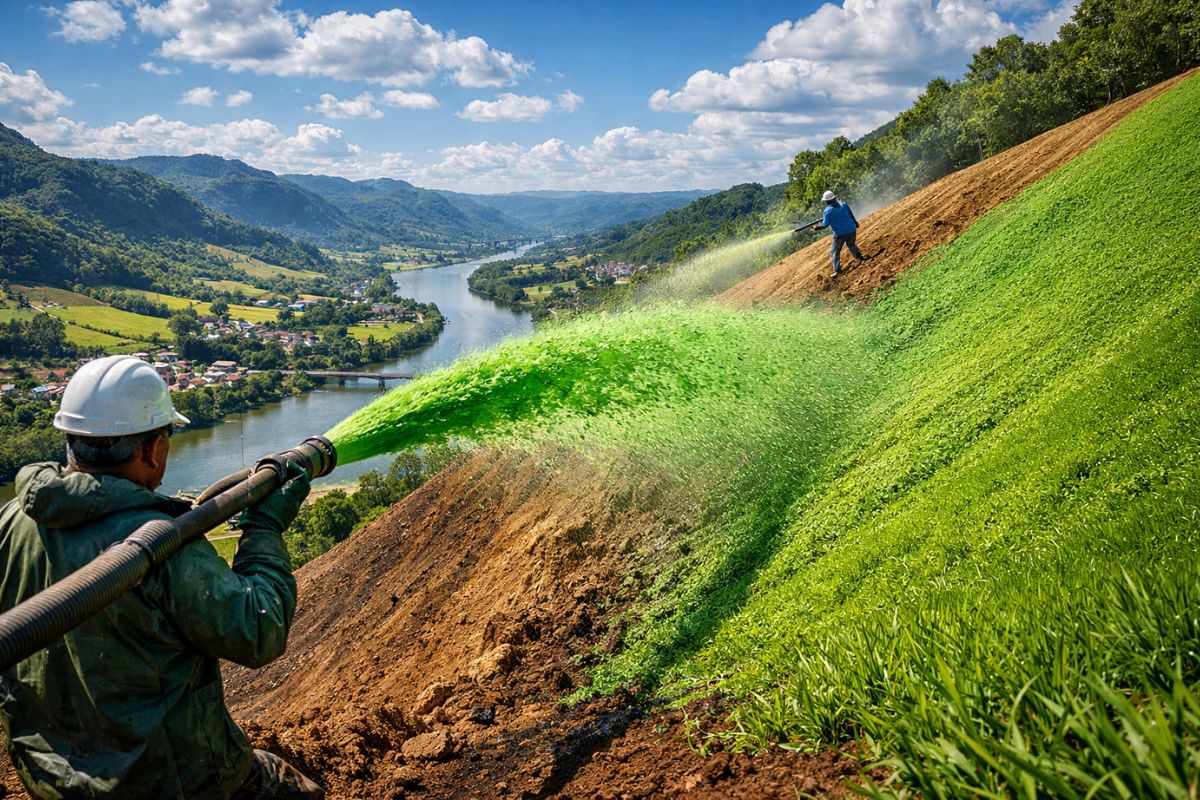


Liquid Grass Arrives with Hydroseeding, Costs Less than the Sod, and Facilitates the Coverage of Slopes and Inclined Lands.
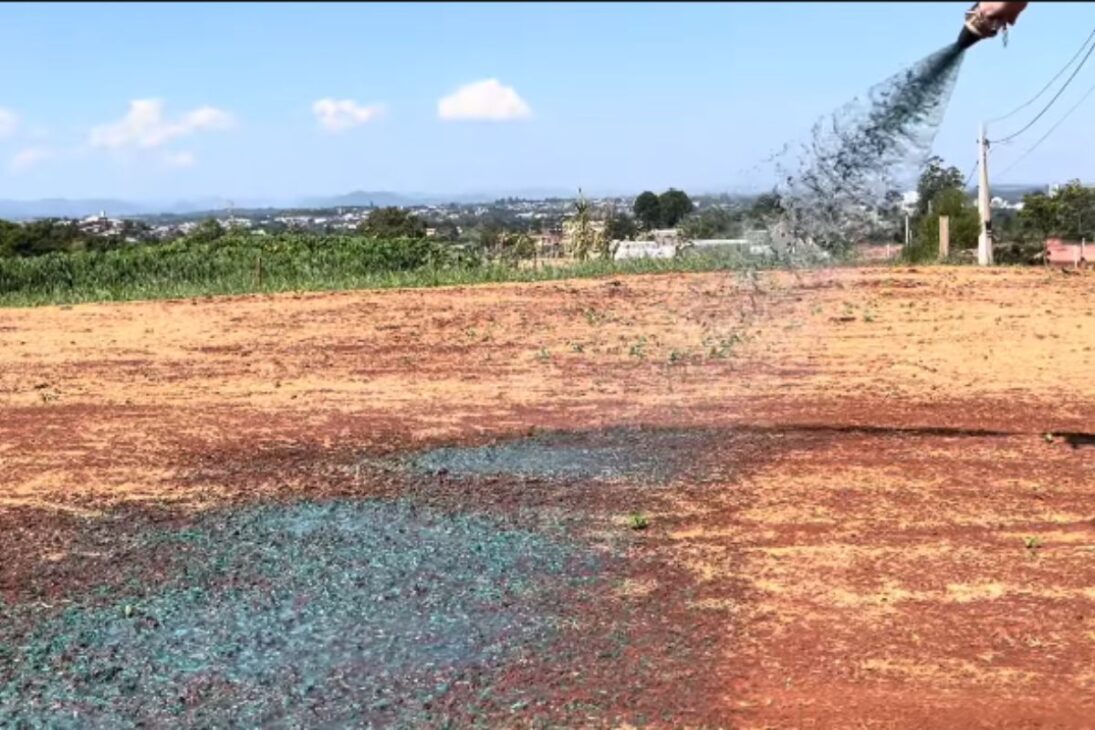
The liquid grass begins to attract attention in the Taquari Valley by offering a more practical solution for those who need to cover inclined land, slopes, and other areas where laying sod is usually more labor-intensive. The method, done by hydroseeding, mixes seeds, fertilizer, stabilizer, and mulch to form a sprayed application directly onto the soil.
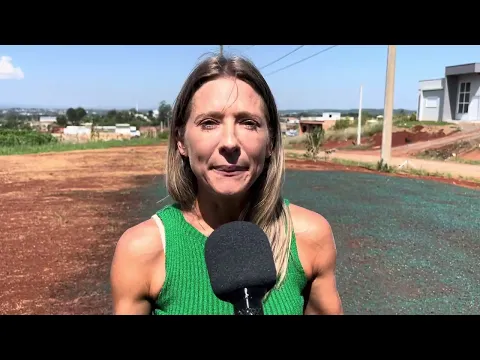
According to businesswoman Paula Schneider from Cruzeiro do Sul, the main purpose of the technique is precisely to make what was previously more difficult and time-consuming easier, especially in places where sod needs to be staked. In addition to simplifying execution, the process also stands out for costing less and showing germination in just a few weeks, depending on weather conditions.
How Liquid Grass Works
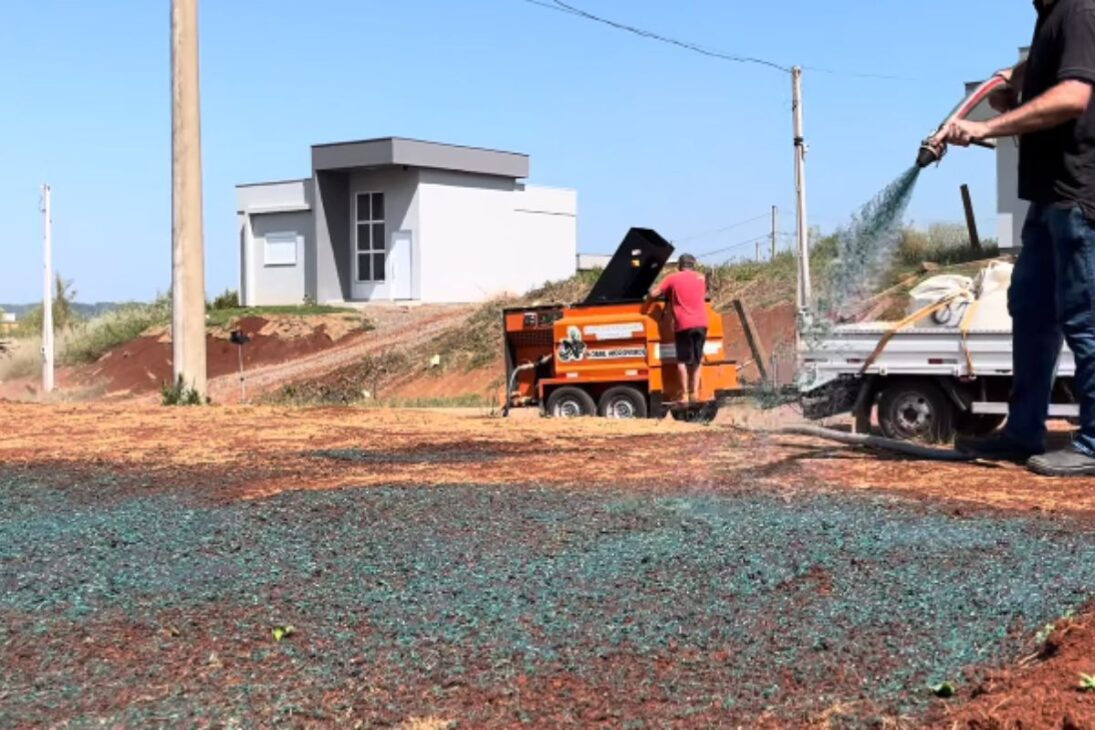
The so-called liquid grass is applied through hydroseeding, a technique that is already used in some places but still appears as a novelty in the Taquari Valley market. In practice, the process brings together four main inputs: mulch, fertilizer, stabilizer, and seed.
-
Giant Robots Build Entire Neighborhood of 100 3D-Printed Homes in the U.S., Showcasing Technology’s Impact on Construction Industry

-
Helsinki Residents Receive Water That Travels 120 Kilometers Through a Hidden Rock Tunnel from a Lake Before Treatment

-
Brazil’s Sertão Region Nears Completion of Latin America’s Longest Artificial River, Transforming Water Access in Drought-Prone Ceará
-
Pre-mixed stabilized mortar set to revolutionize construction in 2026: extends usability to 36 or 72 hours, boosts productivity, and minimizes waste in building projects.



This mixture is prepared inside the equipment and then sprayed over the ground. It is this combination that allows green coverage to be applied to areas with more difficult access, where traditional installation may require more effort and time to set up.
Why the Technique Gains Space on Slopes and Inclined Lands
According to the explanation given, the main objective of hydroseeding is its application on slopes and inclined lands, places where the installation of sod is usually more challenging. This happens because, in these cases, the slabs need to be staked, complicating the placement.
With liquid grass, the proposal is to assist precisely in these situations. The technique can also be used on highway edges and other surfaces that require a solution adapted to the type of terrain.
The difference lies in the versatility of the application, as the service can be adjusted according to each client’s needs.
Types of Seeds May Vary According to the Terrain
Another important point is that liquid grass does not depend on a single type of seed. In the cited example, the application uses bermudagrass, described as very similar to emerald grass. But the service can change according to the terrain and the expected result.
There is also the possibility of working with a mix of seeds. This applies both to inclined plans and other specific areas.
The choice is made according to the client’s needs, allowing for better adaptation of the green coverage to each project.
Liquid Grass Is Cheaper Than Sod
One of the most notable points is the cost. According to the businesswoman, liquid grass costs less than sod, although the final price varies based on factors such as the difficulty of application and the type of seed used.
This detail helps explain why the technology may gain market share in the region. When it combines savings, practicality, and speed, the solution becomes a viable alternative for works and areas that require vegetation recovery or coverage.
How Long Until the Area Starts to Turn Green

The germination of liquid grass begins to occur between three and four weeks. This timeframe, however, depends on the weather, with variations depending on the time of year, such as winter or summer.
Even so, the expectation is for relatively quick results. The promise is that in a short time, the yard will start to take on a greenish appearance, reinforcing the appeal of the technique for those seeking vegetation coverage without long waits.
Application Capacity Speeds Up the Process
In addition to the lower cost, the technique also draws attention for its productivity. In one day, the application on bermudagrass can cover up to 2,000 square meters. In the case of a seed mix, this volume can reach between 3,000 and 3,500 square meters per day.
These numbers reinforce the idea that liquid grass offers quick execution. For larger or more challenging areas, this can represent an important advantage, especially when there is a need for faster soil coverage.
Novelty in the Taquari Valley May Expand the Use of Green Areas
The arrival of liquid grass in the Taquari Valley presents an alternative that combines lower cost, simpler application on inclined areas, and visible results in a few weeks.
Instead of relying solely on sod, the regional market now has a technique that promises to facilitate the coverage of more challenging terrains.
With a focus on slopes, highway edges, and inclined surfaces, hydroseeding emerges as a practical option for different needs.
The efficiency, speed, and possibility of adapting seeds to the terrain help explain the growing interest in the novelty.
Would you bet on liquid grass instead of sod on an inclined terrain?