






 Portuguese
  Spanish


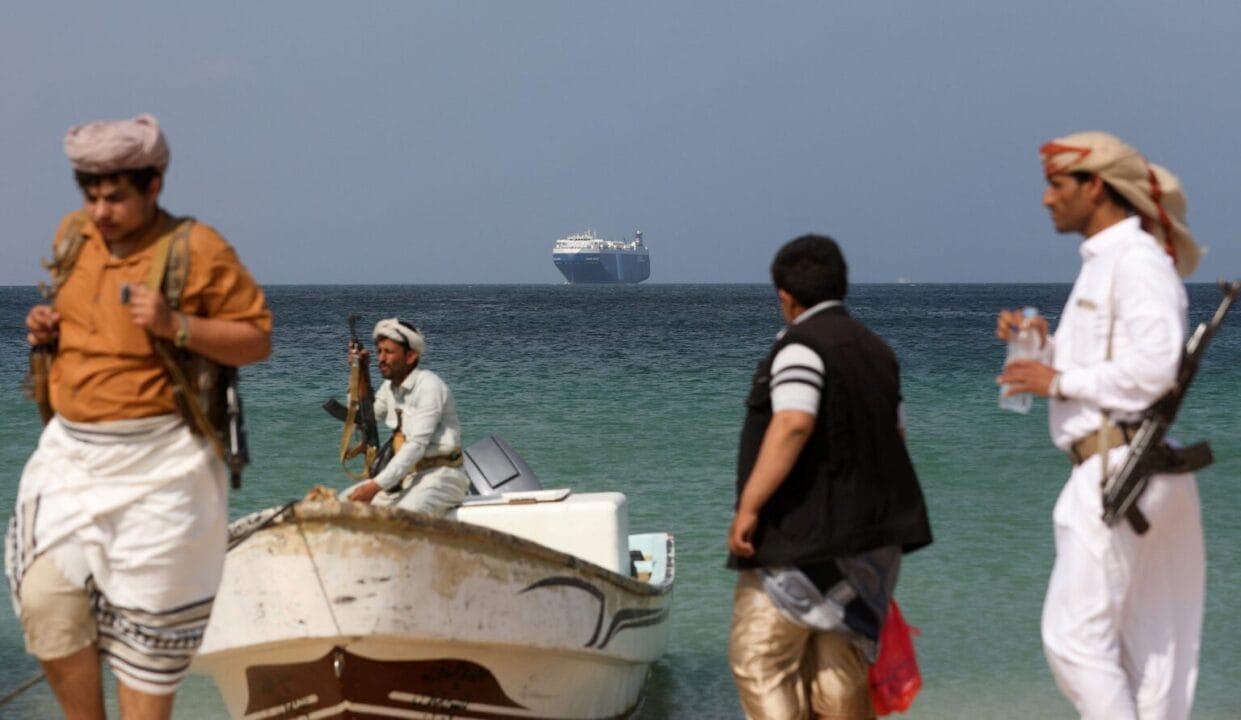

The New Attack in the Red Sea and Its Consequences for Maritime Transport
A tanker headed to India was the target of a missile attack in the Red Sea, raising concerns about security in international maritime transport and highlighting geopolitical tensions in the region.
The tanker, M/T Pollux, registered under the Panamanian flag, was hit by a missile launched from Yemen while navigating through the Red Sea. The incident, which occurred 72 nautical miles (133 km) northwest of the port of Mokha, raised alarms among maritime authorities and international observers.
The M/T Pollux embarked from the Russian port city of Novorossiysk in the Black Sea on January 24 and was scheduled to discharge in Paradip, India, on February 28, according to data from LSEG. The Indian Oil Company operates a 300,000 barrels per day (bpd) oil refinery in Paradip, in the eastern state of Odisha.
-
Brazil’s 2026 Tax Refund: Record 9.58 Million Filers in Largest Payout Ever, But a Key Detail on Priority Recipients Draws Nationwide Attention

-
Itaú Alters Hybrid Work Model, Increasing Office Days from 2028, Prompting Employees to Adjust to New Routine
-
Facing Labor Shortage, Japan Plans to Invest $34 Million to Attract Foreign Workers in Construction, Healthcare, Industry, and Commerce

-
Brazilian City Makes Remarkable Leap, Becomes 4th Wealthiest in the Country with GDP of R$ 134.1 Billion




Traces of Geopolitical Tension
The attack on the tanker raises questions about the role of the Houthis, a Yemeni rebel group backed by Iran, and their influence in the Red Sea waters. The Houthis claimed responsibility for the attack in solidarity with the Palestinians and in response to the alleged “crimes” of Israel against them.
The provocative statements from Houthi leaders, including Abdulmalik al-Houthi, broadcast on television, underscore regional tensions and the potential for escalating conflict. The belligerent rhetoric threatens not only maritime security but also the broader geopolitical stability in the region.
Economic and Commercial Impacts: Challenges for Global Trade
The attack on the M/T Pollux and other incidents involving ships in the Red Sea have significant ramifications for global trade and the world economy. Disruptions in maritime transport heighten fears of inflation and instability in the markets, while the ongoing war between Israel and Hamas amplifies concerns about regional security.
Interruption of maritime trade due to attacks on tankers poses a serious threat to the global economy, highlighting the urgent need for measures to protect the security of vessels and ensure stability on international trade routes.








