





 Portuguese
  English
  Spanish
  3 min of reading


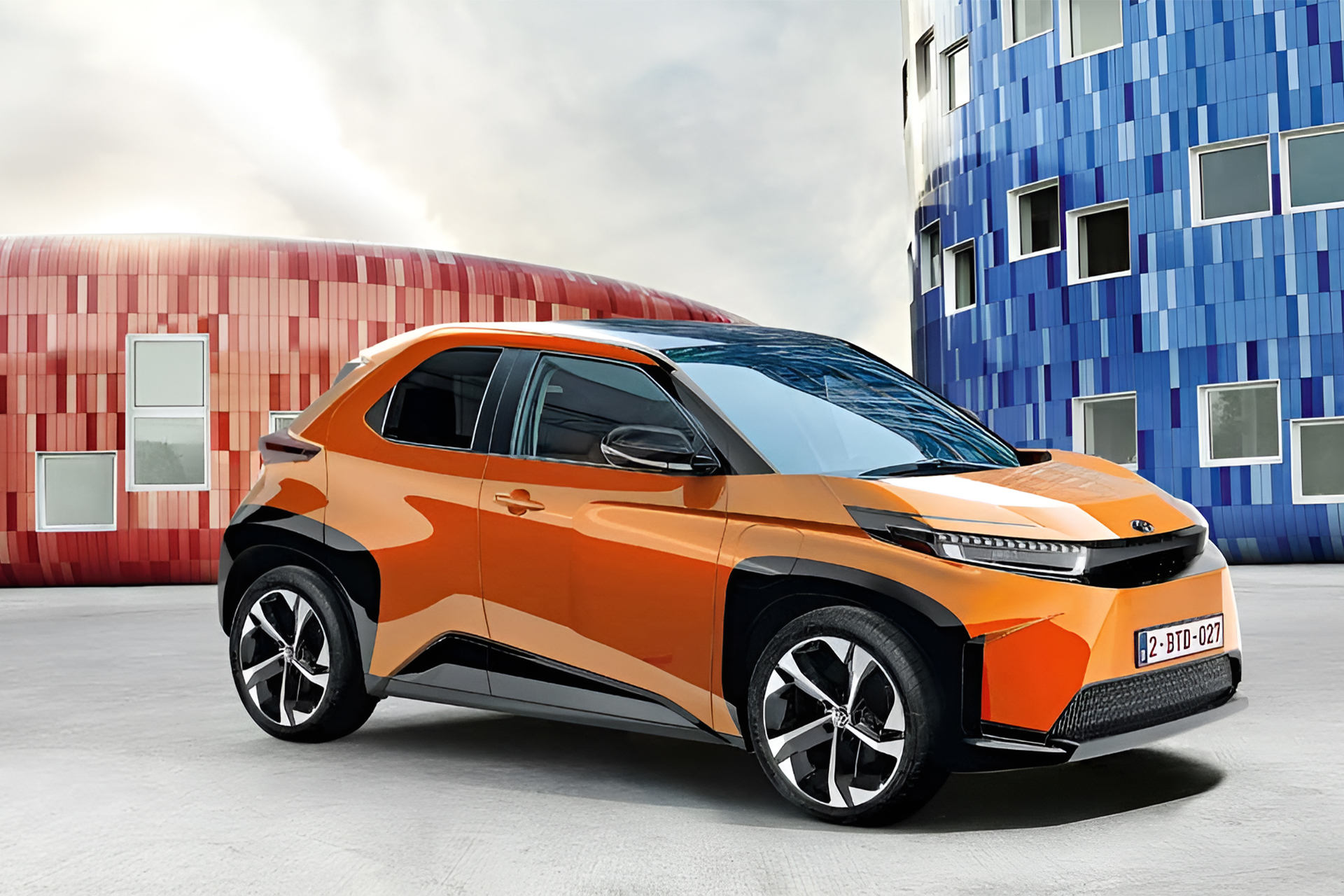
The bZ1X Is a Compact Car with an Electric Motor, Announced by Toyota Especially for Urban Use, and Will Have as Main Competitors the Renault Kwid and Some Compact Electric Models from VW
Toyota revealed at the end of 2021 its intention to launch 16 new electric cars, including Toyota and Lexus models, in various forms and sizes. Among these models, the all-electric compact car bZ1X stands out, a small electric crossover following in the footsteps of the bZ4X, which has already been revealed and will be available in the market next year.
Although there is still no official confirmation, according to MotorShow, it is possible that the bZ1X will be unveiled as early as 2023 and put into production by the end of the same year. This model is expected to be sold to the general public in 2024 and may even reach the Brazilian market.
The bZ1X is a compact car with an electric motor, specifically designed for urban use. Its competitors include, among others, the small electric vehicles planned to be produced by the Volkswagen group starting in 2025 and the Renault Kwid.
-
Volkswagen admits to Reuters that the value of its cars is falling in Brazil due to the aggressive entry of Chinese companies like BYD, but asserts that it will not enter a price war and believes it is well-positioned to hold back the advance.

-
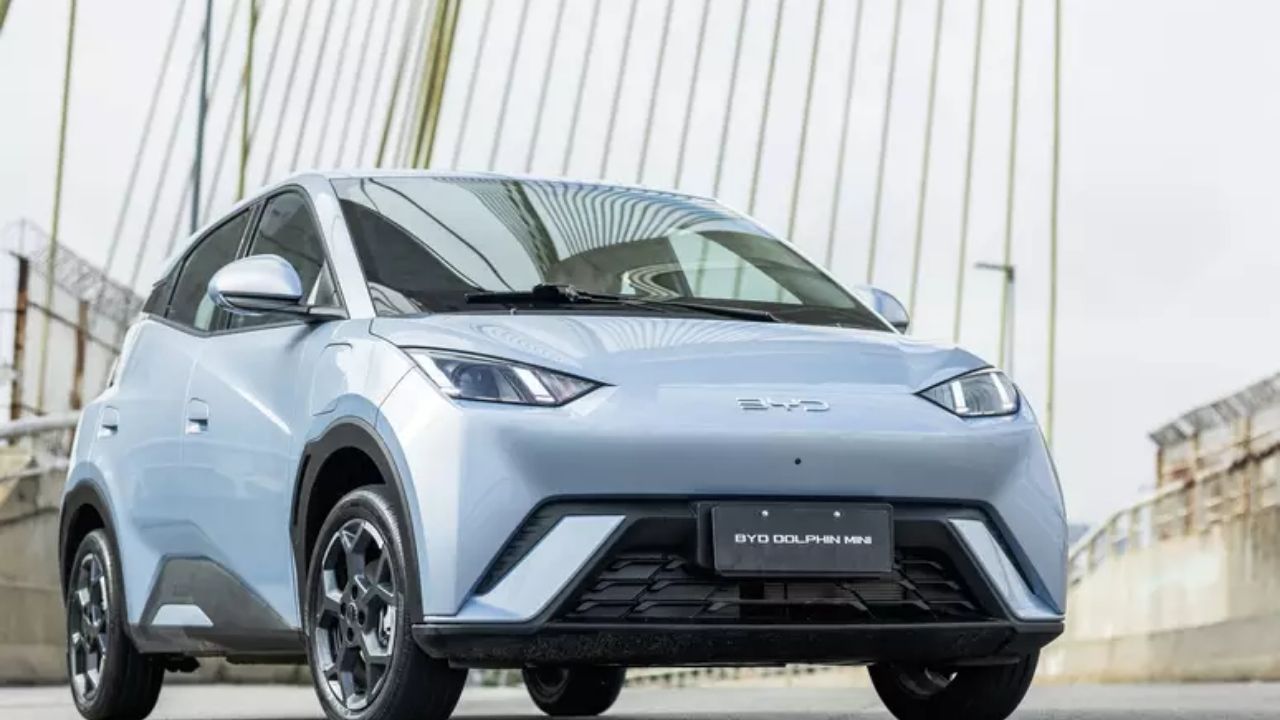
Used BYD Dolphin Mini becomes a standout among semi-new cars by selling in 15 days, surpassing HB20, Onix, and Polo in stores, and showing that used electric cars are gaining strength in the Brazilian market in 2026, according to a survey by Indicata released in April.

-
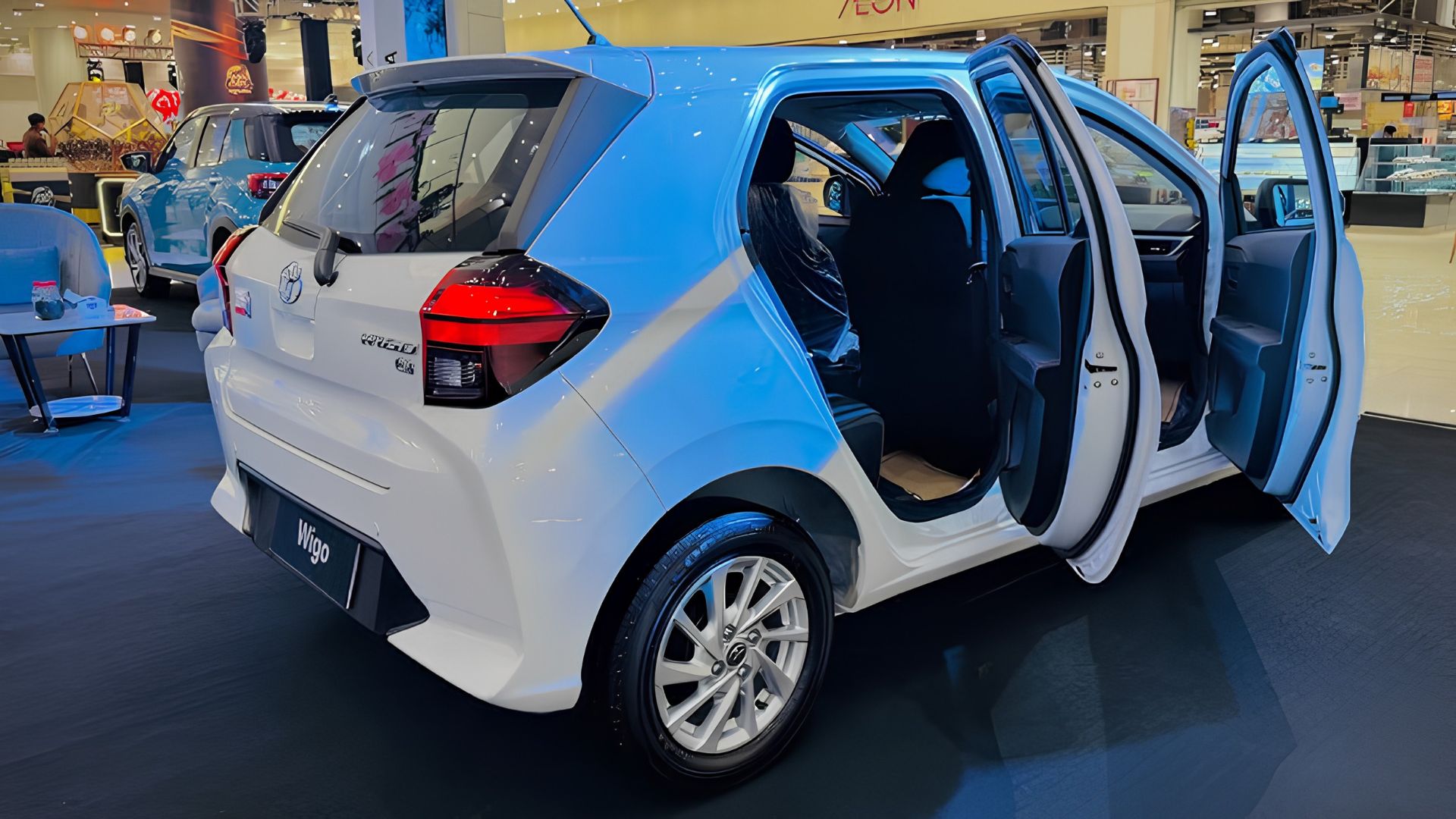
Toyota launches Wigo cheaper than Fiat Mobi, Citroën C3, Argo, Polo Track, HB20, and Onix in Brazil, with a 1.0 three-cylinder engine, 5-speed manual transmission or CVT, and rear camera in the top version; the urban hatch shows an entry-level Toyota that Brazilians don’t have in the Philippines.
-
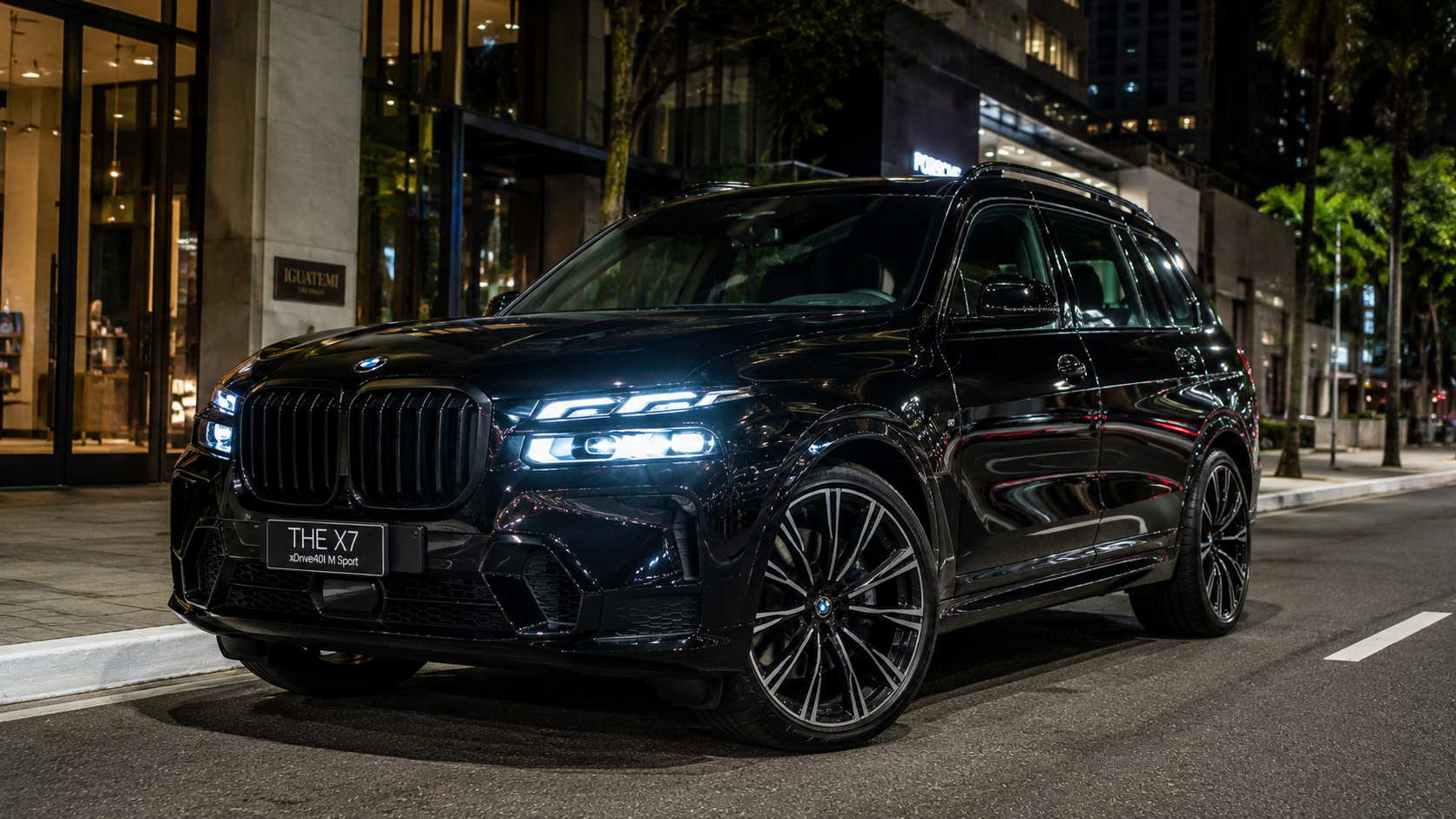
BMW X7 priced at R$ 1 million impresses with absurd technology, extreme luxury for seven people, and a self-parking system in Brazil


At the time of announcing Toyota’s electric vehicles, the original description by Toyoda, CEO of the Japanese automaker, when announcing the bZ1X was “A 100% electric compact car with a pleasant cabin, for which we strive to achieve an energy efficiency of 125 watt-hours per kilometer.”
The brand’s intention is for the bZ1X to be designed to offer an energy efficiency of 125 watt-hours per kilometer, meaning it is an efficient vehicle with low energy consumption. Therefore, it can be an excellent option for those seeking an electric vehicle for daily urban use, due to its fuel economy and zero emissions.
The design of Toyota’s electric compact car is described as being “angular and multidimensional” and seems to have been created with “meticulous sculpture.” It will have four doors and is expected to share its design with its European internal combustion sibling, the Aygo X. From its description, it is likely that the bZ1X has a modern and attractive design that stands out among other compact electric cars in the market.
The Price of the New Compact Electric Car from Toyota Has Not Yet Been Disclosed, but It Is Possible to Make an Estimate Compared to Other Electric Vehicles Available in the Market
Toyota has not yet released official information about the price of the bZ1X. Since the car has not been officially launched, there is no official forecast for this information. However, the website Motorshow makes an estimate, comparing it with other compact electric vehicles in the current market and suggesting that the compact electric car from Toyota should be priced below R$ 100,000 in Europe and around R$ 200,000 in Brazil.
Prices for compact electric vehicles vary widely, depending on many factors such as brand, battery capacity, features, and available resources. However, it is expected that the bZ1X will be competitively priced with other similar compact electric vehicles on the market.
It is important to consider that the price of the bZ1X may also vary depending on the country or region where it is sold, due to differences in taxes and government incentives. In some countries, electric vehicles may be more expensive due to higher taxes, as is the case in Brazil, while in others, they may be more affordable due to government incentives.









Be the first to react!