






 Portuguese
  Spanish
  5 min of reading
  0 comments


Bojnice Castle combines romantic architecture and cultural events
Medieval castles, preserved ruins, and mountainous landscapes make Slovakia an unexpected destination in Central Europe, with fortresses linked to UNESCO, classic cinema, historical legends, and itineraries that pass through capitals, villages, and elevated regions.
Among mountains, valleys, and ancient cities, Slovakia gathers one of the most expressive historical ensembles in Central Europe, with castles, medieval ruins, palaces, and manor houses that help explain the cultural formation of the country.
Located in the heart of the European continent, the territory preserves fortifications erected at strategic points, many of them surrounded by natural landscapes that increase the interest of travelers in search of architecture, history, and less obvious itineraries.
In this setting, fortresses built on rocks, castles rebuilt in a romantic style, ruins marked by well-known legends, and historical buildings that today function as museums or cultural visitation spaces stand out.
-
Goodbye, iron gates: rain, sun, and moisture-resistant alternative combines low maintenance and modern look for facades

-
Children give more meaning to life, but not more happiness: study with over 5,500 people in 10 countries reveals surprising discovery about well-being, relationships, and the true impact of parenting throughout life.
-
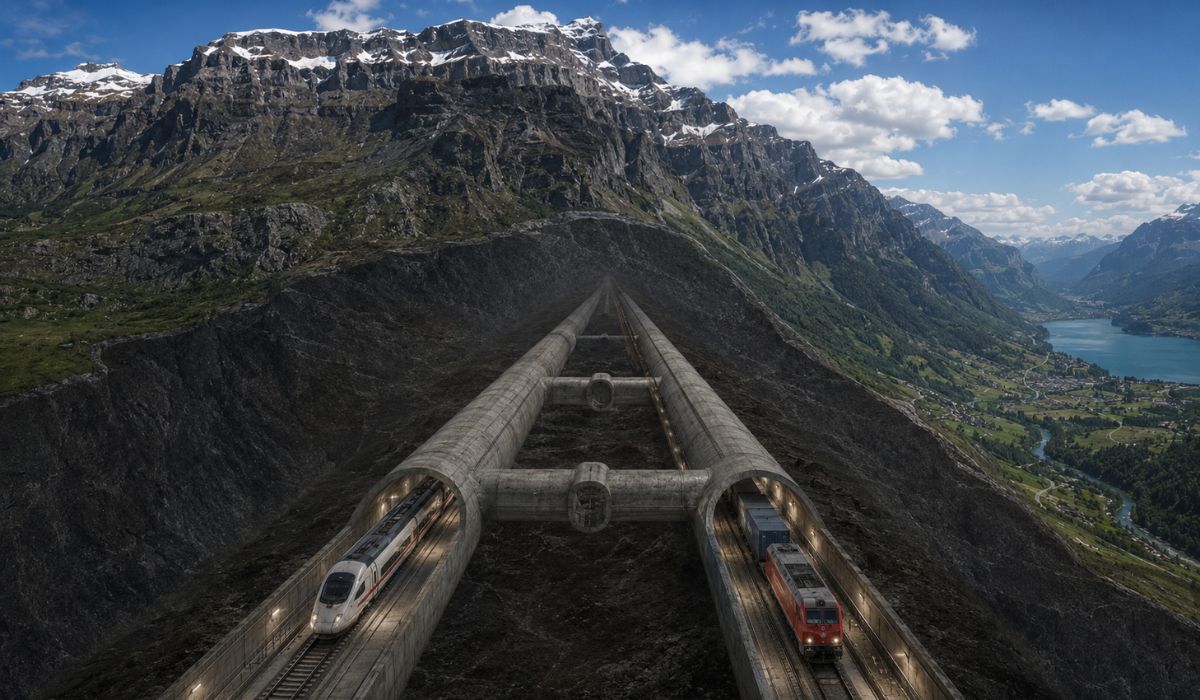
Switzerland took 17 years to tear through the Alps and build the world’s largest railway tunnel, a 57.1 km passage under 2,300 meters of rock, with 50 °C heat and 28.2 million tons excavated to connect the north to the south of Europe.

-
Humanoid robots appear on the streets of China asking for money with QR Code to pay for energy.




Part of this wealth appears in Spiš, Bojnice, Orava, Bratislava, and Čachtice, five addresses that concentrate different phases of Slovak history and show how the country combines medieval heritage, noble memory, and landscapes of great visual impact.
Although many European itineraries focus on famous capitals, the journey through Slovakia often takes visitors to villages, hills, and mountainous regions, where walls, towers, and ancient stone courtyards appear integrated into the local terrain.
Spiš Castle is a UNESCO World Heritage Site
Recognized as Spišský Hrad, Spiš Castle is one of the main historical symbols of Slovakia and has been part of the UNESCO World Heritage list since 1993, within the ensemble that includes Levoča and associated monuments.
According to UNESCO, the area gathers one of the largest groups of military, political, and religious constructions from the 13th and 14th centuries in Eastern Europe, preserving important elements of Romanesque and Gothic architectures.
At the top of a hill, the complex dominates the surrounding landscape and helps to understand the strategic importance of the region during the Middle Ages, when elevated positions were decisive for defense and territorial control.
During the visit, remaining walls, courtyards, and towers allow one to perceive the scale of the fortification, considered one of the most extensive of its kind in Central Europe and valued for the combination of monumental ruins and panoramic view.
Bojnice Castle combines romantic architecture and cultural events
With ornate towers, striking facades, and surroundings often associated with European fairy tale settings, Bojnice Castle stands among the most well-known spots in Slovakia and often attracts photographers, tourists, and those interested in historical architecture.
The current structure occupies the site of an ancient medieval fortification and gained its most recognizable form after renovations inspired by French castles of the Loire Valley, a reference that reinforced its romantic image.
Material from the former Slovak Tourism Council describes Bojnice as one of the most visited castles in the country and cites internal elements such as a chapel, painting gallery, golden hall, and an underground cave.
In addition to the historical rooms, the tourist program includes night visits, themed events, and the festival of spirits and ghosts, activities that keep the castle in cultural circulation without erasing its connection with noble families and successive renovations.
Orava Castle gained fame in cinema with Nosferatu
On a limestone rock in the Orava region, above the village of Oravský Podzámok, Orava Castle impresses with its elevated position and the way the construction follows the steep terrain.
Built between the mid-13th century and the early 17th century, the fortification is divided into upper, middle, and lower castles, creating a vertical complex that preserves environments associated with the Gothic and Renaissance periods.
The international fame of the site also extends to cinema, as the castle served as the setting for “Nosferatu”, a horror classic released in 1922 and remembered to this day for its expressionist atmosphere.
Slovak tourist records indicate that Orava appears in documents from 1235 as a royal castle, went through different owners, and had part of its structure rebuilt in a romantic style after a fire in 1800.
Bratislava Castle dominates the Danube landscape
In the Slovak capital, Bratislava Castle occupies a hill above the Danube River and has become one of the most recognized images of the city, especially due to the white construction marked by four corner towers.
This elevated position, close to ancient passage routes, reinforces the strategic role of the site throughout history and makes the castle a reference point for those visiting Bratislava.
The official tourist guide describes Bratislava Castle as a well-known symbol of the capital and informs that the space houses official rooms of the Presidency and Parliament of the Slovak Republic, as well as permanent exhibitions of the Slovak National Museum.
On days of good visibility, the top of the hill allows you to observe the urban landscape, the course of the Danube, and areas near the borders with Austria and Hungary, a feature that highlights the unique location of the Slovak capital.
Čachtice Castle holds ruins and the legend of the Bloody Countess
Associated with the historical figure of Elizabeth Báthory, Čachtice Castle is located in the Trenčín region and preserves ruins linked to the legend of the “Bloody Countess,” one of the most well-known narratives of Slovak imagination.
The page Slovakia.travel states that the ruins rise above the village of Čachtice, in the west of the country, and that Báthory lived in the castle at the turn of the 16th and 17th centuries.
Built in the first half of the 13th century and expanded in the 15th century, the castle was part of the fortification system that defended the western border of the former Kingdom of Hungary.
Today, the visit combines hiking, landscape observation, and contact with a partially preserved structure, whose tourist appeal comes both from the natural location and the stories that have turned the place into a cultural reference.
For travelers departing from Brazil, visiting these castles requires planning, as the trips usually involve flights with international connections and internal routes by road or train between different regions of Slovakia.
As airfares vary according to date, airline, layovers, and advance purchase, specific values should be checked at the time of research, especially on itineraries that combine Bratislava, mountainous areas, and historical villages.




Be the first to react!