





 Portuguese
  English
  Spanish
  4 min of reading
  1 comment


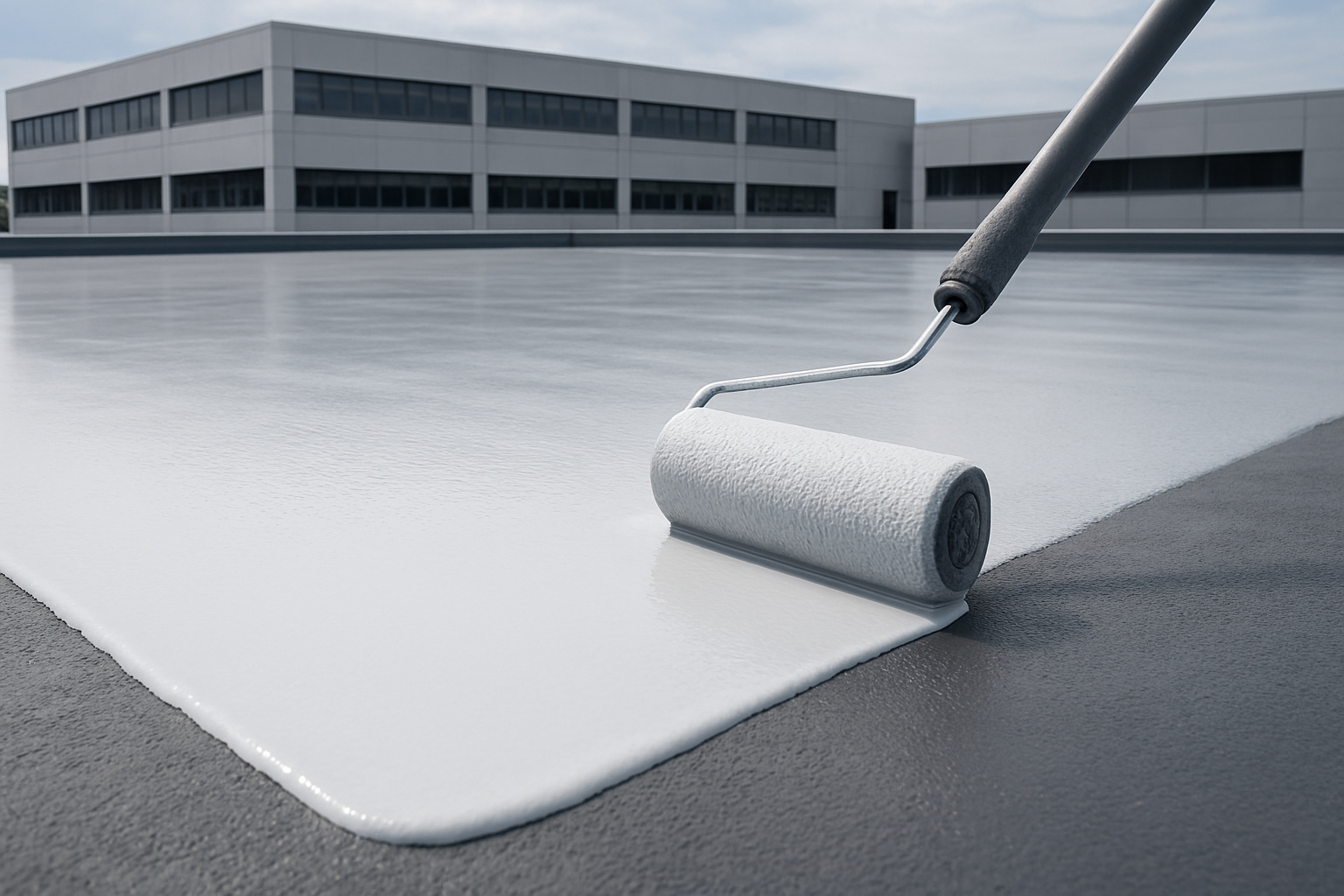


Liquid Membrane Forms Continuous Waterproofing Without Joints, Reduces Leaks and Has Already Replaced Traditional Membranes in Slabs, Roofs and Large Covers.
For decades, waterproofing of slabs and roofs has dealt with a recurring problem: the joints. Asphalt membranes, prefabricated membranes, and overlapping systems have always relied on welds, overlaps, and well-executed joints. In practice, it is precisely at these points that leaks, detachments, and early failures occur. The liquid membrane emerges as a direct response to this historical bottleneck by creating a unique, continuous layer without joints.
Instead of gluing pieces together, the system transforms the surface itself into a monolithic waterproof membrane.
What is the Liquid Membrane and How Does It Work
The liquid membrane is a waterproofing system applied in a liquid state, typically based on polyurethane, polyurea, or modified acrylic resins. After application, the material cures and forms a continuous elastic membrane that adheres directly to the substrate.
-
Family builds natural pool without chlorine and without mud; the water is so crystal clear that fish and shrimp clean the bottom by themselves and guests get a free “fish manicure.”

-
Without cement, glue, or a single screw, interlocking wooden blocks promise to erect the skeleton of a house in about seven days, with one worker assembling one square meter of wall in less than a minute.
-
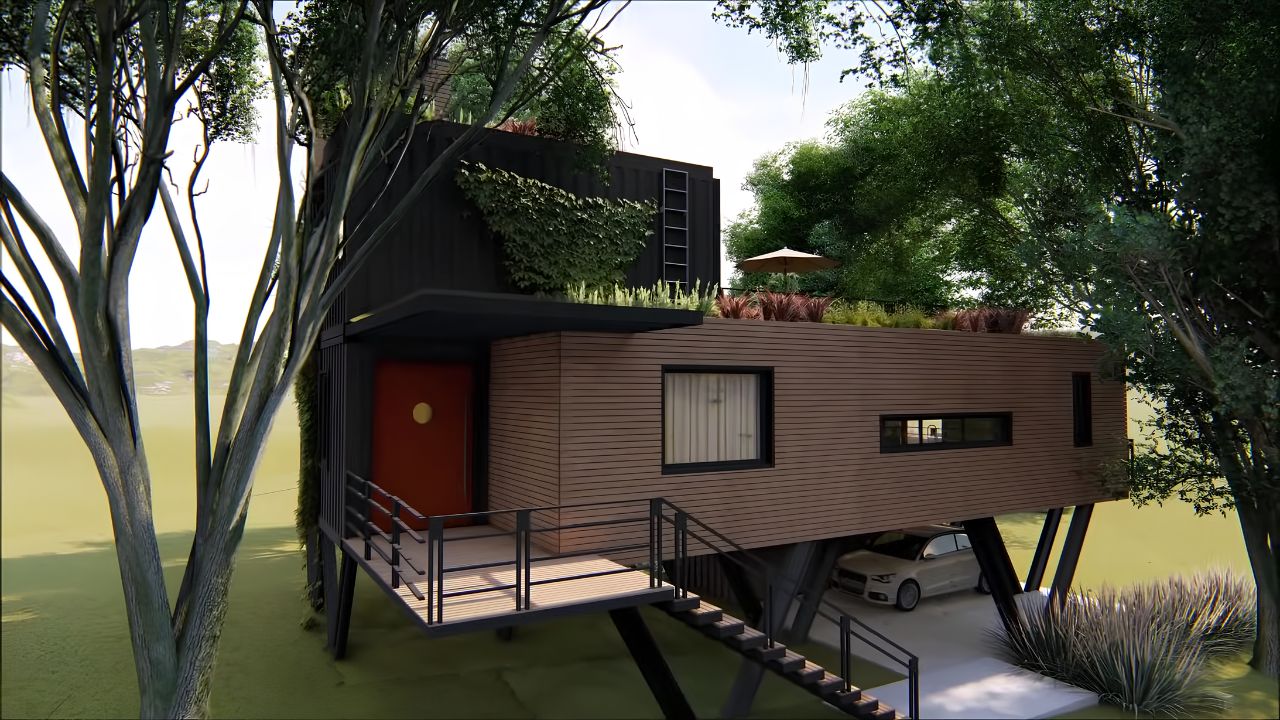
Suspended house made with reused containers, wood, and steel, does not have a television or Wi-Fi system and was designed to operate without air conditioning; the residence was built among trees in the interior of São Paulo and relies on natural ventilation and a green roof.

-
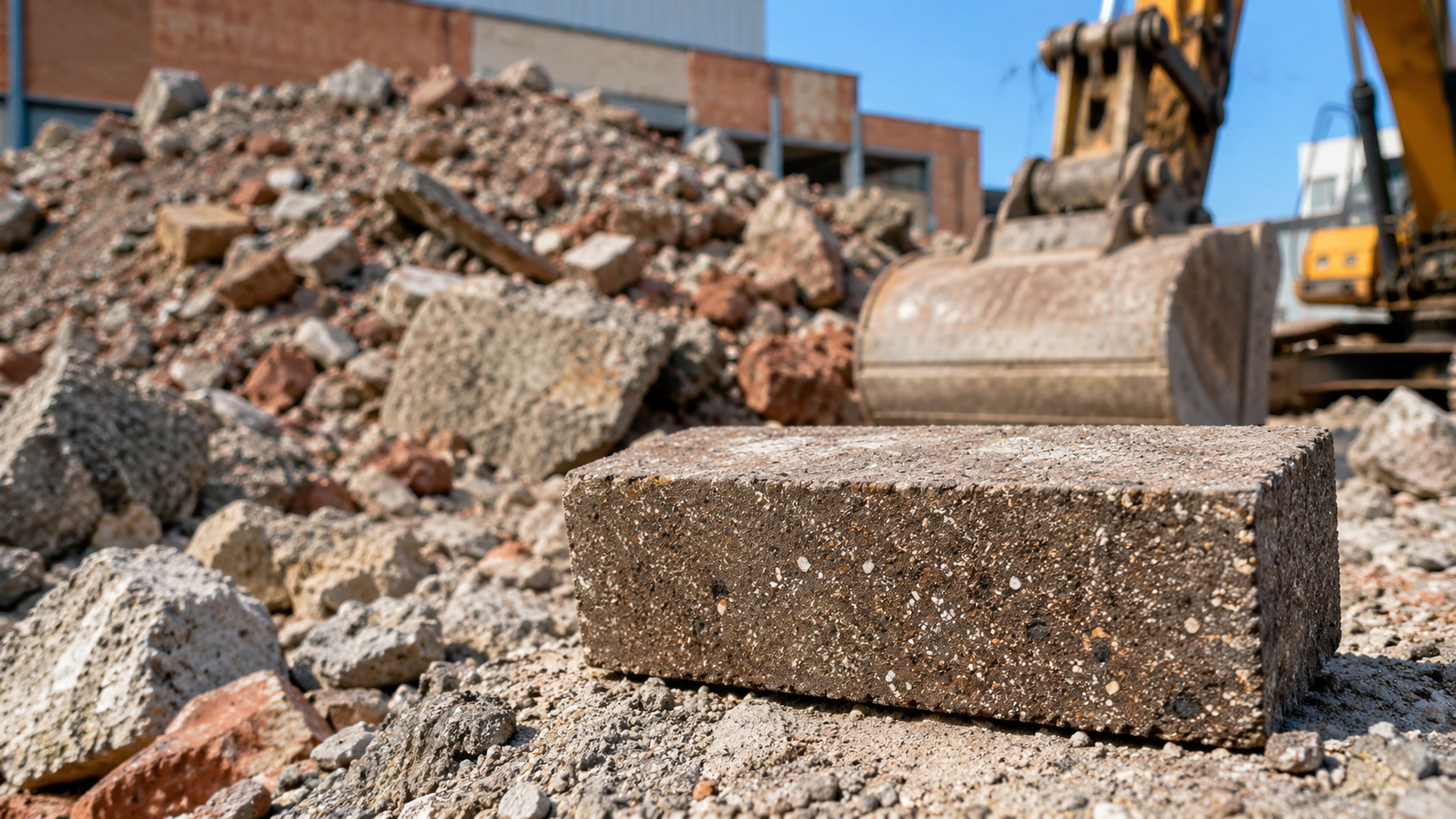
Scotland creates a brick made with over 95% recycled debris, eliminates kiln firing, and attempts to reinvent a piece used in construction for almost a thousand years.




By not having joints or overlaps, the system eliminates the main failure point of traditional methods: the transition between panels.
Waterproofing Without Joints and Without Weak Points
The great advantage of the liquid membrane lies precisely in the absence of joints. The entire slab or roof is covered by a unique film, capable of accommodating thermal expansions, small structural movements, and climatic variations without breaking.
This continuity drastically reduces the risk of leaks, especially in large areas where traditional systems accumulate dozens or hundreds of critical points.
Replacement of Traditional Membranes in Large Areas
In large-scale works, such as logistics warehouses, shopping malls, hospitals, and corporate buildings, the liquid membrane has been replacing traditional systems for practical reasons. The application is faster, does not require torches or thermal welding, and easily adapts to complex geometries, drains, ducts, and structural connections.
In roofs with many details, the operational gain is significant.
Faster Execution and Less Interference on Site
Another decisive factor is the speed of execution. The liquid membrane can be applied by roller, brush, or projection, covering large areas in a short time.
In many cases, the work does not need to be completely halted, something difficult to achieve with traditional asphalt membranes.

This makes the system particularly attractive for retrofits and maintenance, where interrupting the use of the building incurs losses.
Modern liquid membranes exhibit high elasticity, allowing significant elongation without cracking. This characteristic is essential in slabs exposed to the sun, where daily thermal variation causes constant expansions.
Moreover, many systems have high resistance to UV radiation, maintaining performance even in roofs without additional mechanical protection.
Real and Consolidated Applications
Although it may still seem new to part of the market, the liquid membrane is already widely used in industrial, commercial, and infrastructure projects. Technical slabs, metal roofs, elevated parking lots, and reservoirs are common examples of application.
Manufacturers follow national and international technical standards, such as the guidelines from ABNT and ASTM, ensuring control over thickness, adhesion, and durability.
Less Risk of Human Error
By eliminating welds, cuts, and overlaps, the liquid membrane reduces dependence on critical execution steps. This minimizes failures caused by human error, one of the main causes of pathologies in traditional waterproofing systems.
Control is concentrated on the preparation of the base and the applied thickness, which are easier to monitor technically.
Limitations and Necessary Care
Despite the advantages, the liquid membrane is not a universal solution. Preparing the substrate is crucial: dirty, wet, or poorly leveled surfaces compromise adhesion. It is also essential to respect curing times and minimum thicknesses recommended by the manufacturer.
In areas with heavy traffic, additional mechanical protection may be necessary to ensure the system’s durability.
A Change of Logic in Waterproofing
The liquid membrane represents an important shift in the way waterproofing is thought of. Instead of assembling a puzzle of overlapping pieces, the system creates a continuous skin, without joints and without evident weak points.
By eliminating recurring leaks, accelerating execution, and reducing failures, this technology stops being an alternative and becomes a permanent solution in modern slabs and roofs, especially in large areas where mistakes simply cannot be an option.






Muito boa a tinta, quem estiver a fim de recuperar a superfície do seu piso interno e externo perfeita