Portuguese
  Spanish



The Economy of Mato Grosso do Sul Reported One of the Highest Growths in the Last Five Years in Brazil
In the last five years, Mato Grosso do Sul has stood out as one of the federation units that has grown the most economically. This progress is due to a series of factors that include attracting industries, increasing investments, and creating jobs.
According to data from the Brazilian Institute of Geography and Statistics (IBGE), the state’s participation in the national economy was one of the highest growing, reflecting the favorable business environment.
One of the sectors that significantly boosted this growth was forestry. According to the Brazilian Tree Industry (Ibá), of the 280 thousand hectares of planted forests that Brazil gained in 2023, an impressive 220 thousand hectares were in the territory of Mato Grosso do Sul.
-
Brazil’s Micro-Entrepreneur Program May See Major Changes: Income Cap Could Increase to R$ 130,000, Annual Inflation Adjustments, and Allow Hiring of an Additional Employee

-
DoorDash Founder Tony Xu, CEO of an $85 Billion App, Becomes Delivery Driver for an Hour, Completes Four Orders, Makes $19

-
Lufthansa CEO Jens Ritter Takes on Flight Attendant Role, Uncovers Overlooked Issue in Economy Class
-
7-Year-Old Estela Wins Ballet Qualifier; Family Crowdfunds for Argentina Finals in October


Additionally, the state attracted large investments from the pulp industry. Of the R$ 105 billion announced in the last two years by this sector, R$ 70 billion were directed to Mato Grosso do Sul, which has already established itself as the “Pulp Valley” of Brazil, with six industries operating in the state.
The sugar-energy sector is also an important pillar of the local economy. Mato Grosso do Sul ranks fourth nationally in sugarcane ethanol production and second in corn ethanol production, totaling 3.8 billion liters in the last harvest.
The state has also begun producing biomethane, reinforcing its commitment to renewable and sustainable energy. The area planted with sugarcane reaches 800 thousand hectares, spread across 42 municipalities, and the 20 installed mills generate 120 thousand direct and indirect jobs.
Industrial Diversification and Commitment to Sustainability
The industrial sector of Mato Grosso do Sul has shown impressive expansion. Between 2010 and 2020, the growth of the manufacturing industry was 68%, a result of the state’s ability to attract investments in diversified sectors.
In addition to already established sectors, Mato Grosso do Sul is expanding into new areas such as the pharmaceutical and cosmetics industries. Another distinguishing feature is the commitment to sustainability, with the ambitious goal of becoming a carbon-neutral state by 2030.
The state is a pioneer in carbon credit certification related to the preservation of wetland areas, especially in the Pantanal. Furthermore, Mato Grosso do Sul conducts a climatic inventory of greenhouse gas emissions, reinforcing its commitment to environmental preservation.
This balance between industrial growth and sustainability has attracted investments, especially in the area of environmental preservation.
In the first nine months of 2024, over R$ 1.7 billion in business and rural projects were approved through the Constitutional Financing Fund for the Midwest (FCO). For the entire year, R$ 2.41 billion is available, demonstrating the financial strength of the state to sustain economic growth.
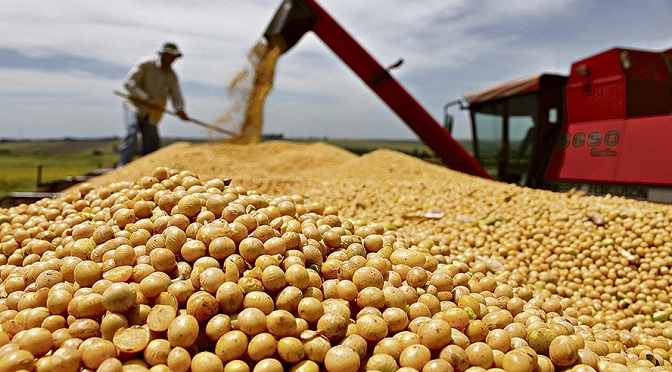
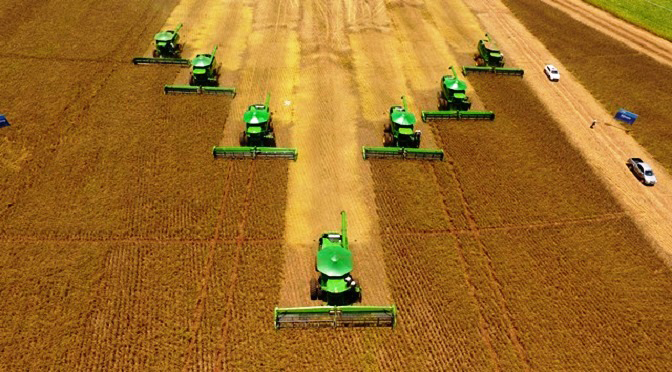
The agricultural sector also plays a fundamental role in the development of the state. In 2023, Mato Grosso do Sul recorded the highest growth of agribusiness GDP in Brazil, with an increase of 32%, surpassing states like Tocantins and Paraná.
The production of soy, corn, and cotton in the state stands out, and Mato Grosso do Sul is responsible for 24% of the national cellulose production, being one of the main exporters to countries like China, the United States, and the Netherlands.
Another factor driving growth is the quality infrastructure. Mato Grosso do Sul has an extensive network of highways and ports, such as Porto Murtinho, which facilitates the flow of production and connects the state to global trade. Additionally, it leads the ranking of public investment per capita, with R$ 1,177 invested per inhabitant in 2022.
With an expanding economy, strong infrastructure, qualified workforce, and commitment to sustainability, Mato Grosso do Sul solidifies its position as one of the main economic development hubs in Brazil.