Portuguese
  Spanish


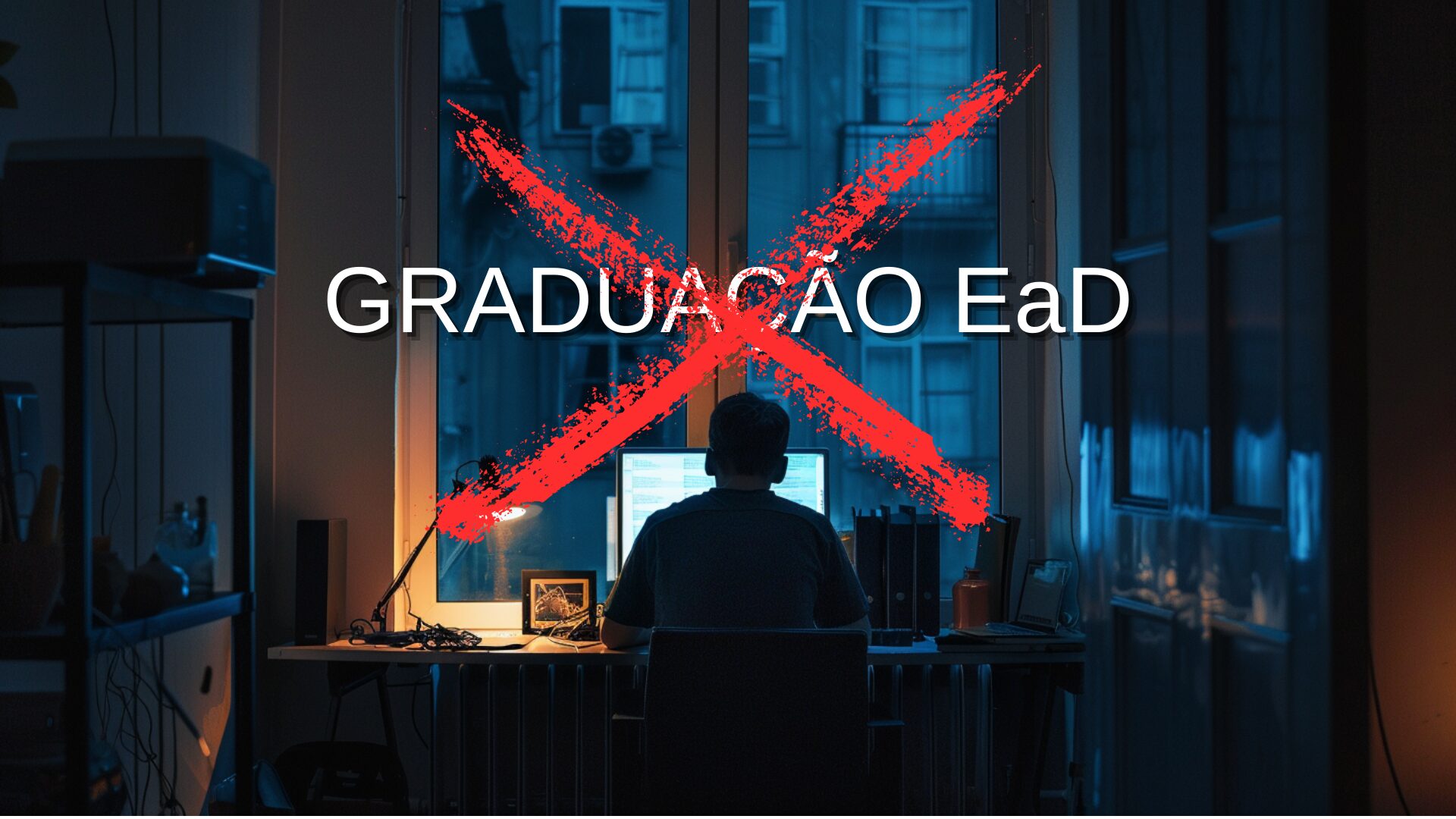

Approval Of The Decree Establishes Significant Changes In Higher Education And Aims To Ensure The Quality Of Practical And In-Person Courses!
The Ministry Of Education (MEC) announced significant changes in Distance Education (EAD) in Brazil, according to the guiadoestudante website. In a decree signed by President Luiz Inácio Lula da Silva, distance learning has been prohibited in five courses: Medicine, Law, Psychology, Dentistry, and Nursing. This decision aims to ensure a quality education for professionals requiring a strong practical component.
New Regulation Of Distance Education
With the new regulation, the MEC establishes three main formats for offering higher education courses. The course will be considered in-person when the distance learning hours do not exceed 30%. The courses in Medicine, Law, Psychology, Dentistry, and Nursing must be offered exclusively in this format, reflecting the need for practical learning and direct interactions with teachers and peers.
This change was motivated by a series of factors, including reports from students and professionals about the difficulty of learning essential skills in a virtual environment. Have you ever wondered how practical training can influence the quality of care in fields like health and law? What skills do you consider essential for these professionals?
-
Brazilian Startup Turns Coffee Grounds into Plant-Based Leather, Cutting Water Use by Over 50 Times for High-Impact Sustainable Fashion

-
Eco Invest Auction Aims to Unlock $10 Billion in Investments, Focusing on Green Fertilizers, Critical Minerals, Batteries, and AI for Clean Industry in Brazil

-
Half of Brazilians Prefer Lower Taxes with Private Health and Education, While 44% Opt for Higher Taxes for State-Provided Services, Datafolha Survey Reveals

-
Brazil’s Most Expensive Toll Rises to R$ 40.60 on Route from São Paulo to the Coast, Nearly Matching Bus Fare to Santos




Enhanced Requirements For E-Learning Courses
In addition to the prohibition, the decree includes additional requirements for distance education. Some of the main requirements are:
- Teaching Staff: must be strengthened and compatible with the number of enrolled students. This aims to ensure that each student has access to the necessary support for their learning.
- Pedagogical Mediator: creation of the figure of the mediator, who must have training in the course area and work exclusively in mediating the teaching-learning process. This change is fundamental to improving interaction between students and the EAD platform.
- In-Person Assessments: at least one in-person assessment per subject, with significant weight in the final grade, even in EAD courses. This requirement aims to monitor students’ understanding and ensure they are truly learning the content.
- EAD Centers: must have adequate physical and technological infrastructure, including laboratories and study environments. This ensures that students have access to resources that complement their education.
These changes aim to provide a richer and more engaging learning experience. Have you ever participated in an EAD course? How was your experience with the assessments and the support provided?
The Vision Of MEC On The New Policy
The Minister of Education, Camilo Santana, emphasized that the objective of the new regulation is not to undermine the EAD modality but rather to ensure the quality of teaching. “We believe that EAD can provide students with an experience as rich as other courses, as long as there is an effective commitment from everyone to the teaching and learning process,” he stated during a press conference.
Currently, Distance Education plays a central role in Brazilian higher education, with a significant increase in the number of students enrolled in this modality. According to data from the MEC, EAD represents about 30% of enrollments in higher education, demonstrating its relevance and acceptance among students. However, the concern regarding the quality of education is an issue that needs to be addressed.
The Importance Of Practice In Undergraduate Courses
The decision to prohibit distance learning in courses such as Medicine and Law reflects a legitimate concern about the practical training of these professionals. Clinical practice in medicine, for example, is essential to ensure that future doctors are prepared to handle real situations. Likewise, practical learning in Law is crucial for the training of competent lawyers.
With the new regulation, MEC seeks to ensure that students have access to robust and high-quality education. This change is an important step toward strengthening education in Brazil and ensuring that graduates are capable of meeting the demands of the job market. Do you think that the prohibition of distance learning in certain areas is a wise decision? What impacts do you believe this will have on the future of higher education?
The Future Of Distance Education In Brazil
With the new requirements, MEC expects higher education institutions to adapt their offerings and improve the quality of EAD courses. The educational landscape is constantly evolving, and the regulation of EAD reflects the needs of a changing market. Distance education can provide valuable opportunities for many students, especially those seeking flexibility in their routines.
As MEC implements these changes, it will be interesting to see how institutions will respond and what innovations will emerge to meet the new requirements. Are you excited about the possibilities that distance education can offer in the future? What innovations would you like to see implemented?
Feel free to share your opinions and experiences in the comments! Your perspective is valuable and can contribute to a constructive debate about the future of education in Brazil.