Portuguese
  Spanish


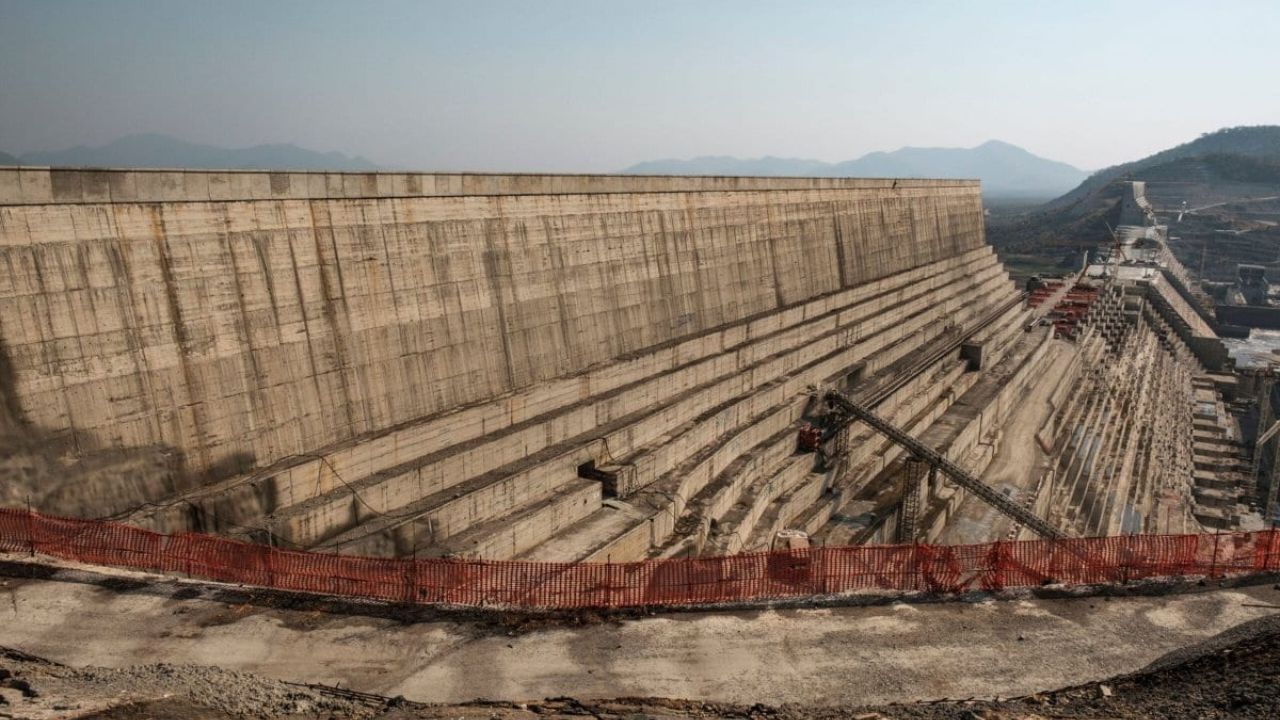

The Grand Ethiopian Renaissance Dam, Africa’s Largest Hydroelectric Project, Intensifies Crisis with Egypt over the Use of the Blue Nile. Understand the Environmental, Political, and Energy Impact of the Project.
Ethiopia completed the final phase of the Grand Ethiopian Renaissance Dam (GERD) in July 2025, a massive construction on the Blue Nile, just 30 km from the border with Sudan.
With an investment of US$ 4 billion, the dam forms a reservoir of 75 billion cubic meters and aims to generate energy for up to 60% of the Ethiopian population.
However, the project has generated a strong reaction from Egypt, which considers it a threat to its water and national security.
-
U.S. City Builds Tiny Home Village on Water Company Land to House 136 Homeless People: Inside the Social Housing Units

-
Woman Turns Shipping Container into Home, Embraces Rural Life to Cut Monthly Expenses to Just Over $330
-
France Revamps 530 Social Housing Units with Large Balconies and Glass Facades Without Demolishing Existing Buildings

-
Facing high rent, couple transforms parents’ garage into a fully functional apartment, creating a complete home at a fraction of the market cost.




Strategic Importance of the Dam for Ethiopia
The dam project is 1,800 meters long and 145 meters tall.
In addition to benefiting millions of Ethiopians who lived without access to electricity, the Grand Ethiopian Renaissance Dam doubled the country’s energy capacity.
Ethiopia is already exporting energy to Sudan, South Sudan, Kenya, Djibouti, and Eritrea.
Egypt Fears Water Collapse with Control of the Dam
For Egypt, the Blue Nile is vital: about 97% of the freshwater consumed comes from the river.
The reduction in flow could jeopardize urban supply and irrigation of crops like cotton, which are essential to the country’s economy.
“The GERD represents an existential threat to Egypt,” declared the Egyptian government, according to AP News.
Colonial Treaties Still Fuel Impasse
The tension dates back to the 1929 Nile Waters Agreement, which granted Egypt control over 48 billion cubic meters of water per year and prohibited upstream countries from carrying out works without Egyptian consent.
Ethiopia rejects the treaty, claiming it is obsolete and non-binding.
In 2015, Egypt, Sudan, and Ethiopia signed a Declaration of Principles for cooperation in the use of the Blue Nile, but Egypt claims Ethiopia violated the agreement by starting to fill the reservoir in 2020 without consensus.
Ethiopia has the support of 10 African countries, including Uganda, Rwanda, and Tanzania, through the Nile Basin Initiative, which advocates for the sustainable and equitable use of the Nile.
Isolated, Egypt sought to strengthen alliances such as the defense agreement with Somalia, planning to send up to 10,000 soldiers.
Crisis with Somalia and Diplomatic Turnaround
In 2024, Ethiopia signed an agreement with Somaliland, a separatist region in Somalia, to secure access to the Red Sea. The initiative generated tension, and Somalia expelled the Ethiopian ambassador.
Subsequently, with Turkey’s mediation, Ethiopia and Somalia signed a reconciliation treaty and resolved the impasse, reaffirming Somali sovereignty over the territory.
United States and the Controversy over Financing
U.S. President Donald Trump stated that the dam was built with “American resources,” which was denied by Ethiopian authorities.
“Throughout the 14 years it took to complete the GERD, Ethiopian authorities have repeatedly stated that the dam was financed by the government, along with contributions from the Ethiopian people,” reported the BBC.
Despite regional agreements, the absence of a definitive treaty between Ethiopia and Egypt keeps the risk of conflict high.
The Grand Ethiopian Renaissance Dam symbolizes Ethiopia’s progress but also represents one of the greatest diplomatic challenges in contemporary Africa.