Portuguese
  Spanish


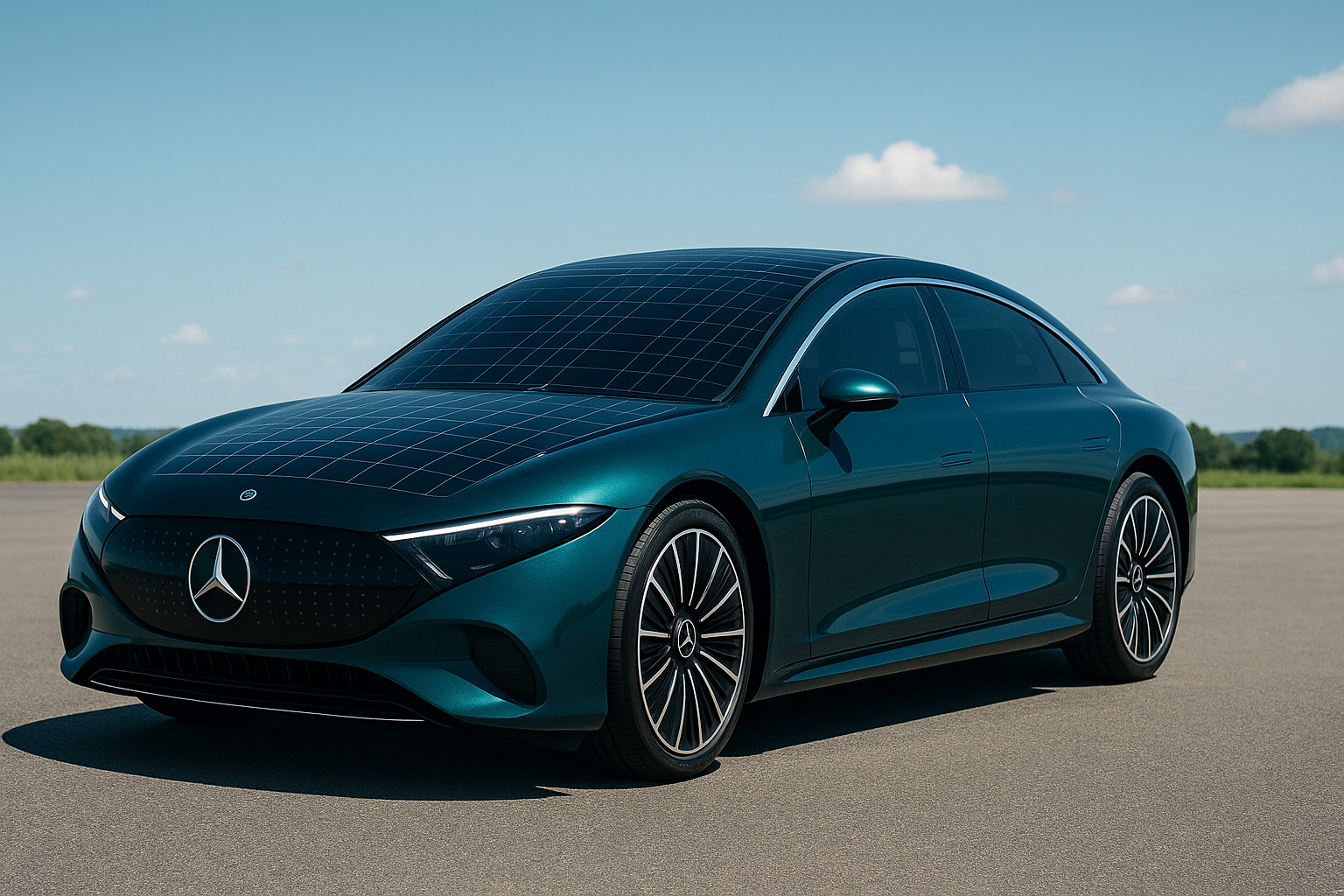


New Solar Paint from Mercedes Extends Electric Vehicle Range and Promises a Revolution in the Automotive Sector.
Mercedes-Benz announced an innovation that promises to redefine the automotive sector by allowing electric cars to achieve up to 12,000 km of range per year without recharging, thanks to a new technology applied directly to the vehicle’s paint.
The solution, revealed by the brand’s engineers, has been tested since 2024 on the Vision Iconic prototype, developed in Germany, and arises as a direct response to drivers’ main concern: how to extend range without increasing costs or relying on limited infrastructure.
Thus, the advancement puts the automaker at the forefront of the race for efficiency and cost-effectiveness in the electric mobility market.
-
Unprecedented achievement in India: a colossal 650-ton, nearly 3,000 hp excavator is transformed into 100% electric, marking a new phase in heavy mining.

-
Frightened by the speed of Chinese manufacturers, Renault decided to mimic the pace, made the new electric Twingo in just 21 months, wants to repeat the feat with 36 models by 2030, and along the way, will cut up to 2,400 engineering positions.

-
Chinese battery from Dongfeng promises to exceed 1,000 km without relying on liquid electrolyte, and the detail behind the technology could change the electric car competition.

-
The end of the automotive combustion era has already begun, but many in Brazil have not yet realized the magnitude of the shift towards Chinese electric cars.
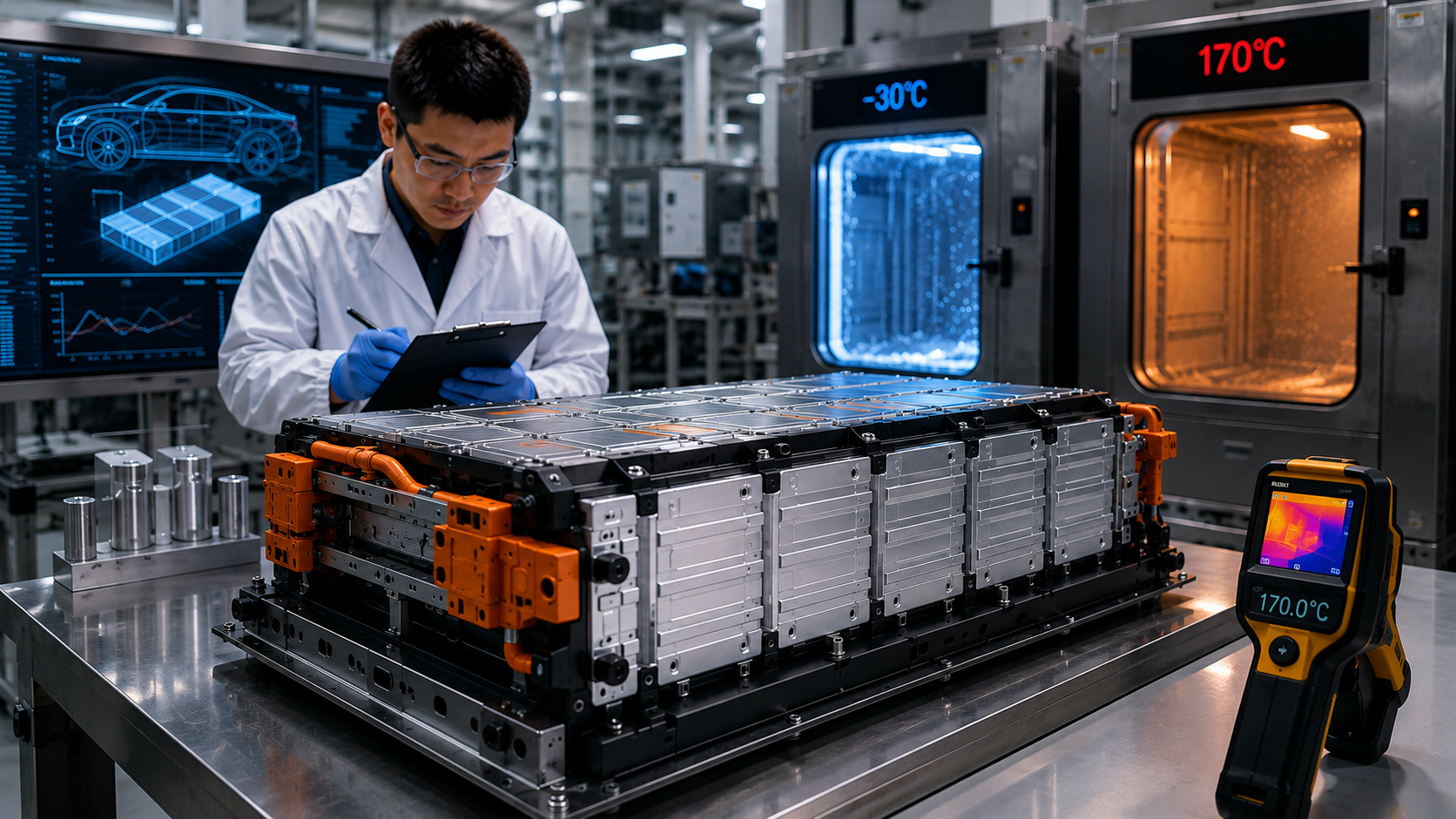
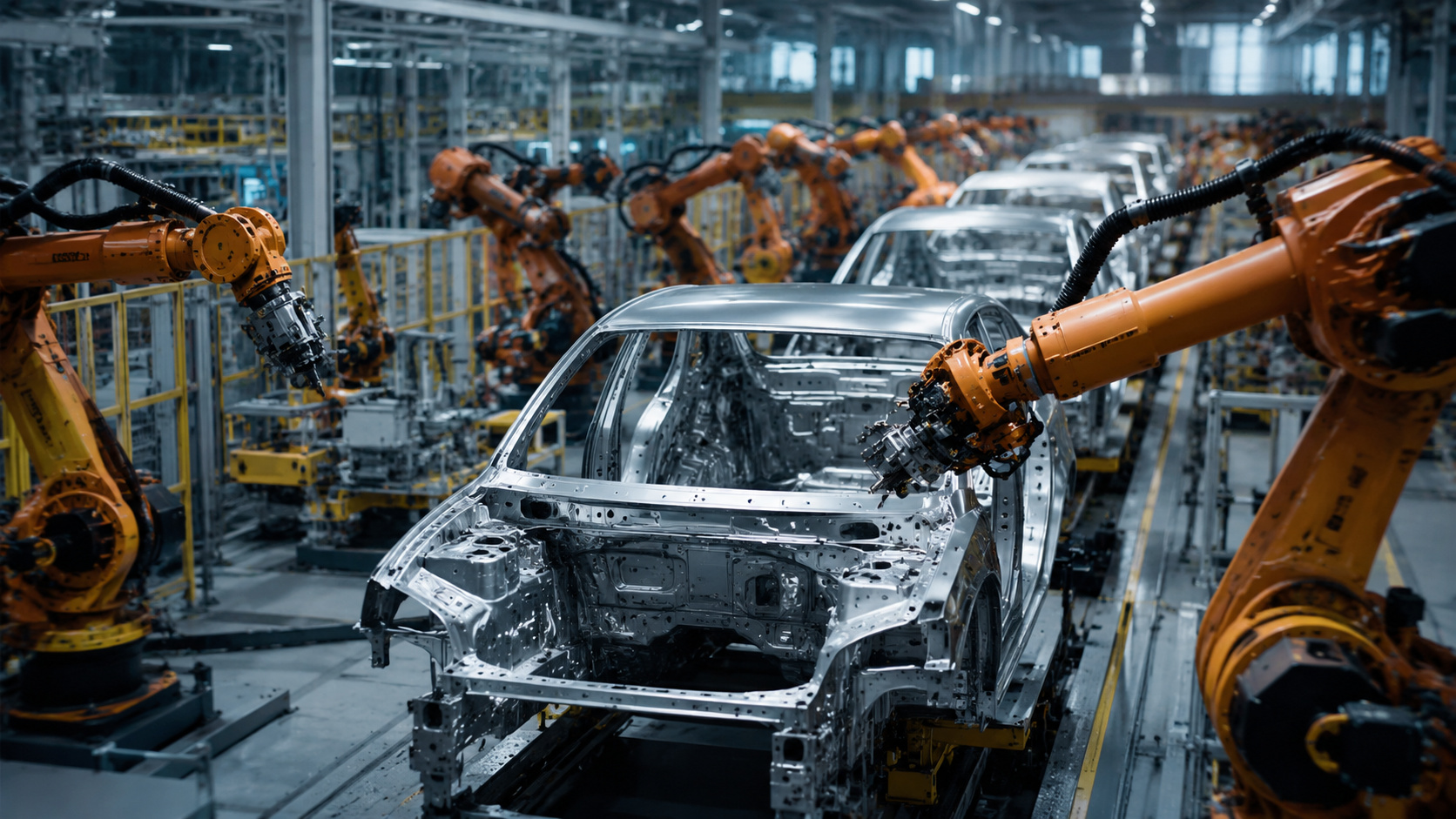
Although electric cars have already evolved, many consumers still hesitate to adopt them for fear of long interruptions during trips. That’s why Mercedes decided to transform the body itself into a clean energy plant, allowing the vehicle to generate electricity continuously — even while parked.
Solar Technology in Paint Changes the Game for Range
The revolution begins with a special solar paint applied between the body and the traditional paint. Engineers explain that the layer is five micrometers thick. Even though it is so thin, it allows 94% of sunlight to reach the photovoltaic film, which converts radiation into electricity.
The generated energy powers the car in real time. It also charges the battery, which extends the range. Thus, the vehicle becomes much more efficient on long trips. Additionally, it generates energy even while parked in the sun.
Mercedes claims that the paint achieves 20% efficiency. This level compares to that of modern residential solar panels. However, the output varies. Factors such as weather, solar intensity, and exposure time directly affect energy production.
12,000 Additional Km Per Year — and Up to 20,000 Km in Sunnier Regions
In practice, the gain is significant. In countries like Germany, where solar radiation is more moderate, drivers can add 12,000 km of range per year without resorting to traditional recharges. However, in sunny locations like Los Angeles, this number can jump to 20,000 km, making the cost-effectiveness far superior to any electric car currently available.
This difference reinforces how technology can impact regions of the planet differently, especially where electric mobility still faces insufficient infrastructure.
Vision Iconic Paves the Way for More Independent Electric Cars
Mercedes chose the Vision Iconic, inspired by 1930s automotive design, to test the new technology. However, the model will not be sold, as it serves as a laboratory for advanced experiments.
Even so, the automaker confirms that it intends to apply solar paint to commercial vehicles in the coming years, expanding its energy transition strategy and bringing the public closer to a future with electric cars featuring greater range and less dependence on the power grid.
Direct Impact on the Automotive Sector and Cost-Effectiveness
The innovation has the potential to profoundly alter the automotive market. This is because the increase in range reduces user expenses, improves cost-effectiveness, and diminishes the need for frequent recharges — one of the biggest barriers for those looking to switch to electric cars.
Moreover, while the sector seeks smart solutions to overcome battery limitations, Mercedes bets on a completely new path: transforming paint into a clean and continuous source of energy.