Portuguese
  Spanish


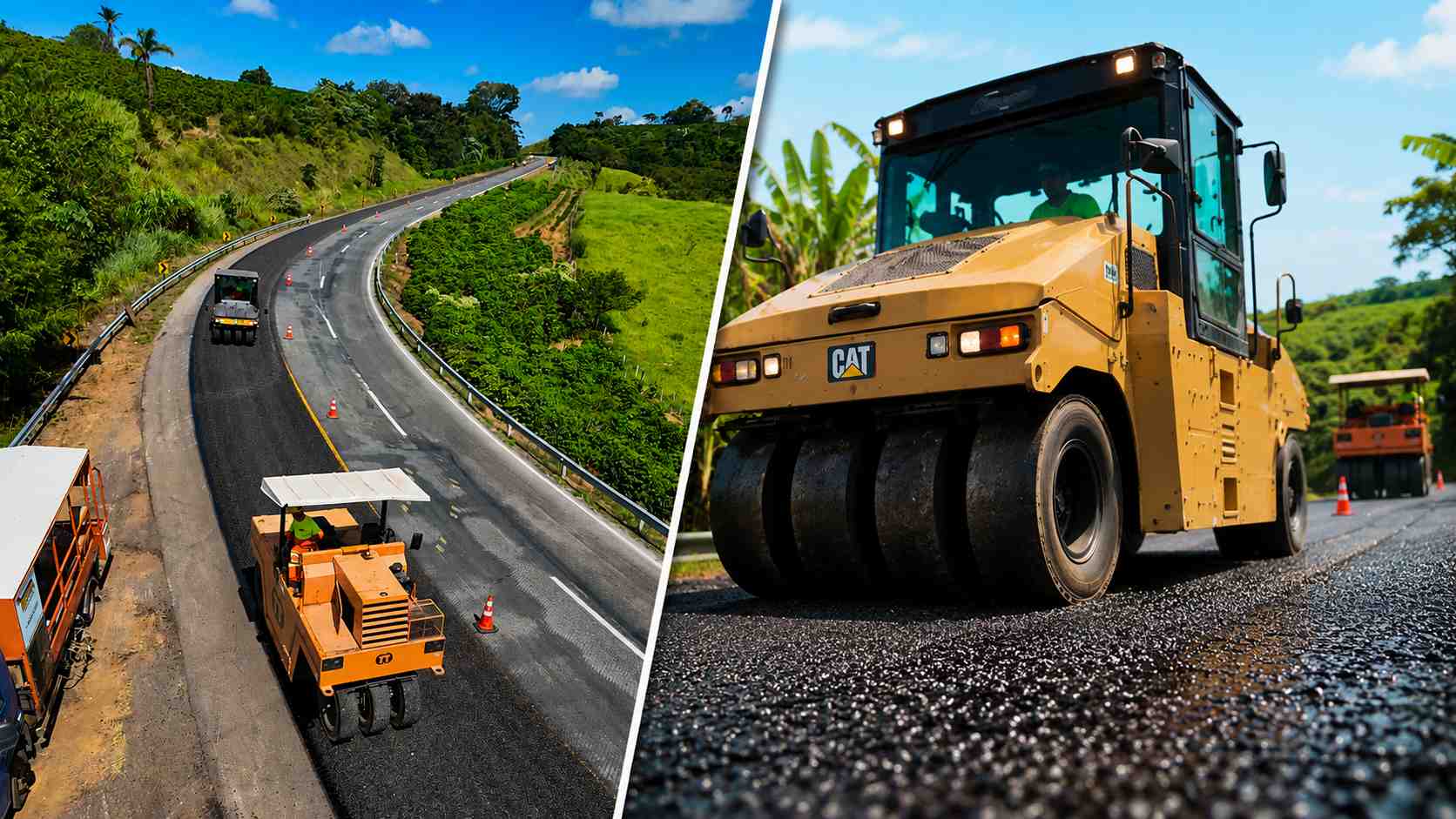


Minas Gerais advances in highway recovery with rubber-asphalt produced from recycled tires, a technology that promises greater resistance, crack reduction, improved road safety, and an estimated reuse of 70,000 tires by the end of the year in sections of the state’s South.
Minas Gerais is making progress in highway recovery with rubber-asphalt, a sustainable technology monitored by Artemig in the program executed by EPR Vias do Café. Services are underway between Monte Belo, Areado, and Muzambinho.
Highways and Sustainable Asphalt
The solution uses 15% ground rubber from unusable tires incorporated into petroleum asphalt cement. The result is a pavement that is more elastic and resistant than conventional asphalt.
The forecast is to recover 100 kilometers by the end of the year. For this stage, the estimate is to reuse 70,000 recycled tires, with appropriate environmental disposal for difficult-to-decompose waste.
-
How to Prevent Brown Recluse Spider Bites: Common Hiding Spots and Free Tips to Reduce Risks

-
Natto: The Unusual Japanese Superfood Gaining Popularity on Social Media and Driving Record Exports
-
Brazilian Mayor Goes Undercover as Homeless for 24 Hours to Assess Public Services

-
15-Year-Old Entrepreneur Malu Lira Publishes 20 Children’s Books on Financial Education, Earns $500,000, and Expands Her Project to the Amazon Rainforest




Recycled Tires Become Pavement
For every kilometer constructed with rubber-asphalt, 350 tires are reused. These materials could take up to 600 years to decompose in nature, amplifying the environmental impact of the measure.
Artemig monitors the quality and evolution of services provided to users on the concessioned highways. For the agency, sustainable solutions raise the standard of Minas Gerais roads, combining innovation, road safety, and operational efficiency.
Road Safety Gets a Boost
In addition to the environmental benefit, rubber-asphalt offers direct gains for road safety. The technology exhibits up to five times greater crack resistance, reducing corrective interventions and extending the pavement’s lifespan.
The material improves tire grip on the road, helping to reduce the risk of skidding. In rainy periods, it minimizes the spray effect, the dispersion of water droplets that impairs visibility.
Comfort for Users
Artemig’s Director-General, Breno Longobucco, states that the use of rubber-asphalt generates environmental benefits and improves the user experience. He associates the technology with sustainability, innovation, and road safety.
Apollo Lucena, from EPR Vias do Café, highlights that the concessionaire invests in engineering solutions to increase pavement durability. For him, the initiative raises the quality of the highways.