Portuguese
  Spanish


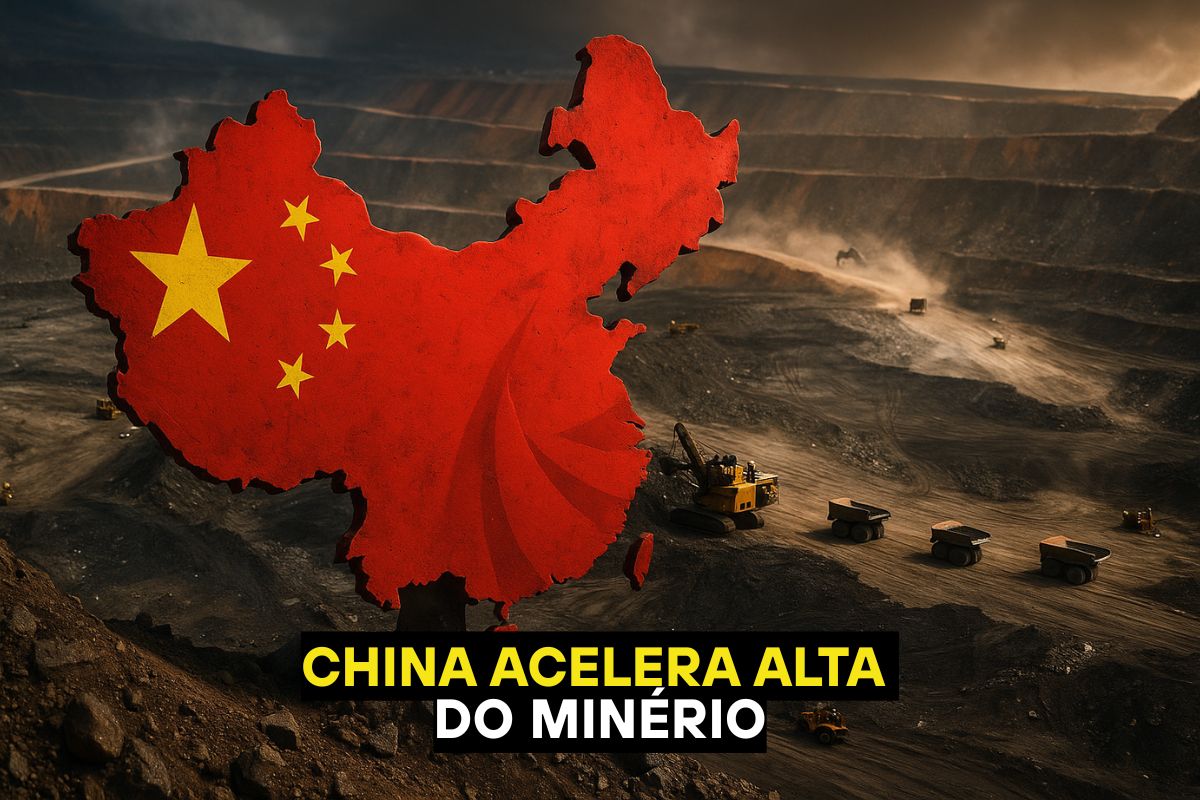

The Approach Of The Chinese National Holiday Raised Demand For Steel And Boosted Iron Ore Prices, Increasing Investor Concerns About Reflections On The Global Economy.
The iron ore surges in China and is catching the attention of the international market again. The movement occurs just before the Chinese national holiday, when the demand for blast furnace steel rises to meet the construction sector. The most traded contract in Dalian rose to 808.5 yuan per ton, equivalent to US$ 113.65.
The situation brings unease to investors, who see the risk of a new round of global pressure.
For experts interviewed by InfoMoney, the strength of this market could turn into a domino effect, directly impacting production costs, industrial margins, and even inflation projections in different countries.
-
China could reduce iron ore imports from 80% to 50% of consumption by 2030, while its share in global steel production falls from 52% to 46%, in a shift that could reshape the global market, says CMRG.

-
Brazil is sitting on one of the largest lithium reserves in the world, in the Jequitinhonha Valley, but national mining has almost become an appendage of China: 97% of the metal’s export goes to a single country, which also dominates refining.
-
Iron ore falls to 762 yuan in China as real estate sales decline and steel production hits lowest level since 2018
-
Brazil has minerals, clean energy, and a waiting market, but it could miss a billion-dollar opportunity if it doesn’t speed up the race for green minerals, while the steel industry seeks to reduce emissions.


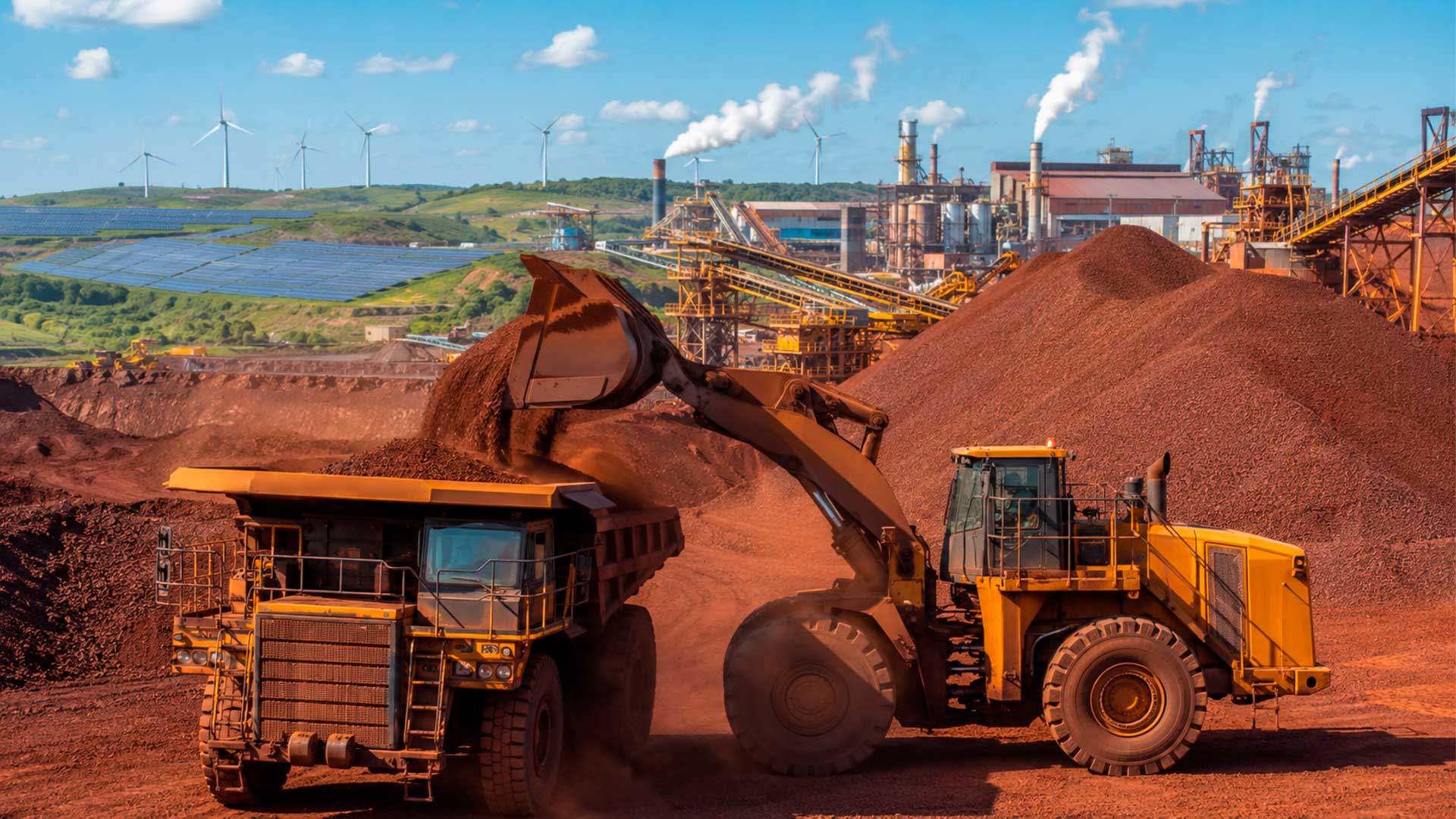
Steel Production Accelerates Before The Holiday
The demand for blast furnace steel has been consistently growing. In the week ending September 18, utilization of Chinese mills rose to 90.4%, according to data from the consultancy Mysteel.
This increase coincides with the need to replenish construction material stocks, a typical movement that precedes China’s National Day.
Additionally, the production of hot metals, a key indicator for measuring ore demand, also rose 0.2% compared to the previous week, reaching 2.41 million tons per day.
InfoMoney highlights that this pace reinforces expectations of greater consumption, sustaining high prices in the short term.
Inventory Decline At Ports
Another factor putting pressure on prices is the decline in iron ore inventories at Chinese ports.
On September 19, the stored volume was at 132 million tons, 0.42% lower compared to the previous week, according to Steelhome data.
This reduction reflects both the increased outflow of shipments to meet industry demand and operators’ strategy to anticipate purchases before the holiday.
Lower available supply combined with rising demand is the classic formula for price increases, as noted by the brokerage Hexun Futures, cited by InfoMoney.
Global Impacts And Signs Of Slowdown
Although prices are rising in China, global steel production has shown a contraction. In July, 150.1 million tons were recorded, a 1.3% decrease compared to the previous year.
Chinese production itself fell by 4% during the same period, to 79.7 million tons, according to the World Steel Association.
This contrast between <strongtight inventory and weaker production raises questions among investors: is the current movement merely seasonal, or a trigger for more prolonged instability?
InfoMoney emphasizes that China’s monetary policy decisions, such as maintaining benchmark lending rates, also influence the sector’s dynamics.
Coal, Competition And Industrial Costs
Besides ore, imported coal has also come into focus. China increased external purchases in August, reaching the highest level in eight months.
Despite this, the volumes were 7% lower than in the same period last year, due to weak demand and greater domestic supply.
This combination shows how industrial costs in Asia can fluctuate rapidly, affecting global mining, steelmaking, and construction companies.
If iron ore surges in China, suppliers from other countries tend to follow the trend, generating impacts throughout the supply chain.
The spike in iron ore prices in China reignites concerns about a new wave of pressure on global prices, especially in sectors dependent on steel.
The scenario reinforces China’s importance as a key player in the global economy and in the balance of commodities.
Do you agree that this movement could bring impacts beyond Asia? Do you think Brazil, as a major exporter of ore, is likely to benefit or suffer from this pressure?
Leave your opinion in the comments; we want to hear from those who closely follow this market.