Portuguese
  Spanish


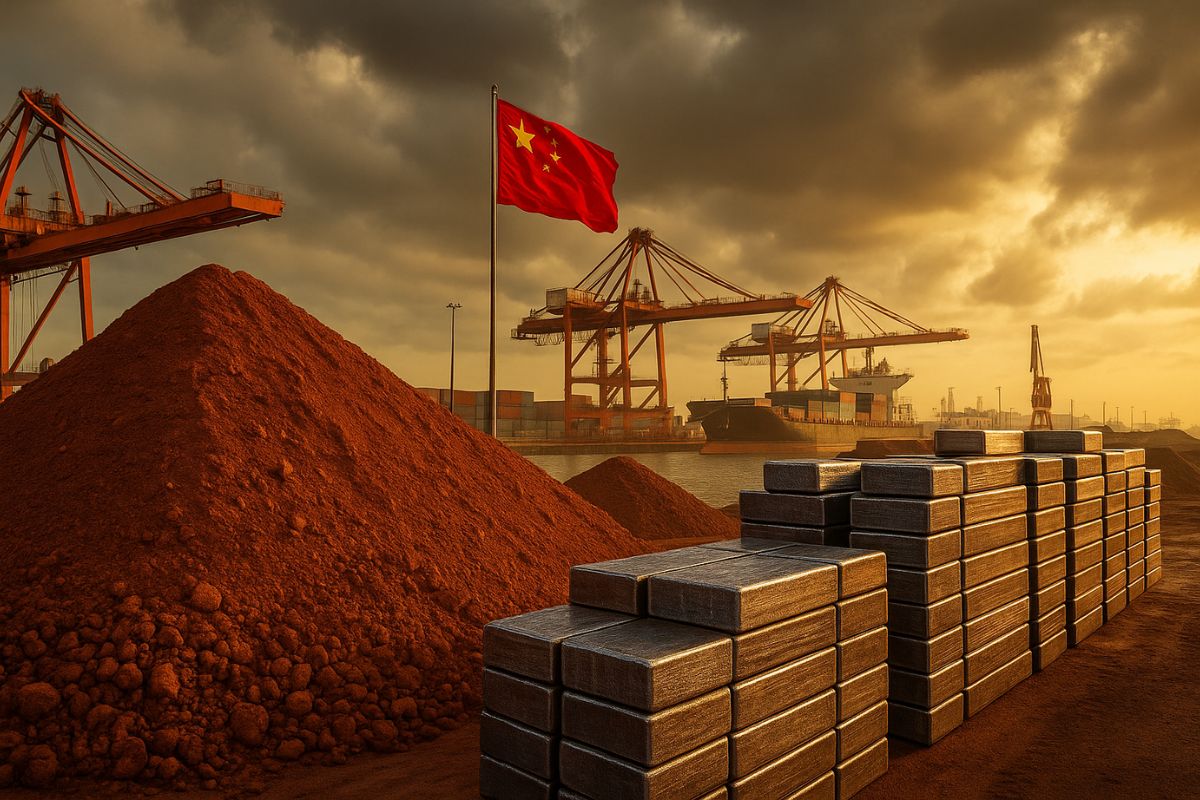

Steel inventories in China increased for the seventh week in a row, reaching 15.15 million tons, the highest level in four months, a factor that dropped iron ore prices despite expectations of steel production cuts.
The iron ore price fell again this Thursday (09/11), reflecting the direct impact of the rise in steel inventories in China, the world’s largest producer and consumer of the input. According to the portal Terra, the accumulated volume of steel already totals 15.15 million tons, the highest in four months, a factor that increases pressure on demand and reduces international prices.
On the Dalian Commodity Exchange (DCE), the most traded January contract closed down 0.81%, priced at 795.5 yuan (US$ 111.69) per ton.
Meanwhile, in Singapore, a global benchmark, the October contract fell 1.24%, to US$ 105.5 per ton. According to analysts, the drop confirms a scenario of imbalance between supply and demand that is expected to persist in the short term.
-
China could reduce iron ore imports from 80% to 50% of consumption by 2030, while its share in global steel production falls from 52% to 46%, in a shift that could reshape the global market, says CMRG.

-
Brazil is sitting on one of the largest lithium reserves in the world, in the Jequitinhonha Valley, but national mining has almost become an appendage of China: 97% of the metal’s export goes to a single country, which also dominates refining.
-
Iron ore falls to 762 yuan in China as real estate sales decline and steel production hits lowest level since 2018
-
Brazil has minerals, clean energy, and a waiting market, but it could miss a billion-dollar opportunity if it doesn’t speed up the race for green minerals, while the steel industry seeks to reduce emissions.


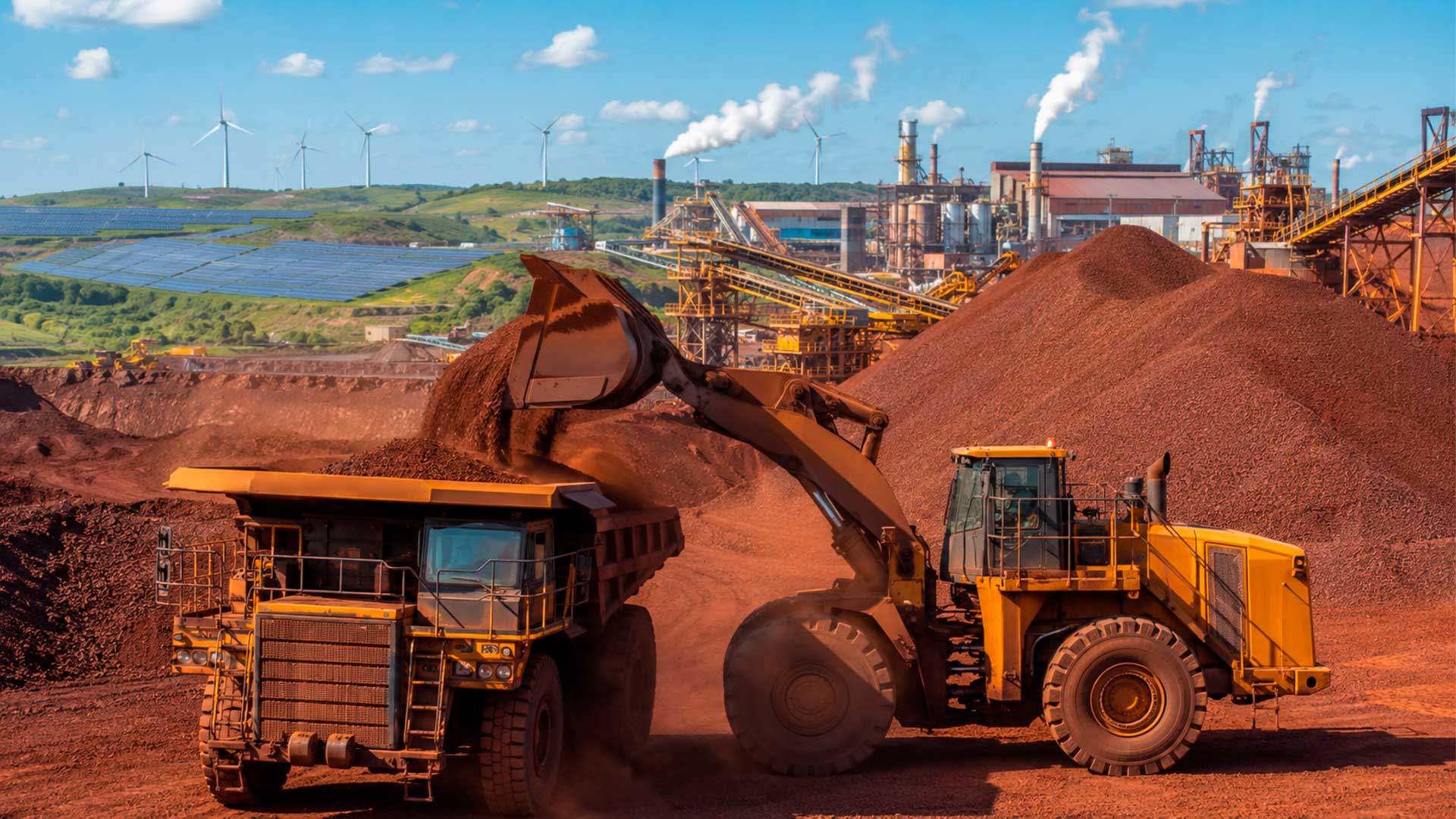
High Inventories Directly Affect Iron Ore
According to consultancy Mysteel, inventories of the five main steel products in China increased for the seventh consecutive week, reaching 15.15 million tons in the week ending September 10.
This accumulation indicates that steel consumption remains below expectations, which directly impacts the iron ore market.
An analyst in Shanghai interviewed by Terra highlighted that, in the absence of signs of recovery in demand, investors increased sales of futures contracts, further applying pressure on prices.
The weak performance of the Chinese real estate sector, traditionally a driver of steel consumption, remains the main obstacle.
Why China Influences Iron Ore So Much
The Chinese leadership in the global steel market makes its indicators decisive for the direction of iron ore.
When inventories rise, the need to import ore decreases, which is reflected in an immediate drop in international prices.
This explains why the excess steel in the Asian country has repercussions in exchanges like Singapore, which is used as a global benchmark.
Furthermore, the Chinese real estate sector, which accounts for a large part of steel demand, continues to be in crisis, reducing the pace of consumption.
This combination keeps the iron ore market on alert, as any slowdown in China has direct repercussions on exporting countries like Brazil and Australia.
Outlook for Iron Ore in the Coming Months
Despite the current decline, analysts consulted by First Futures indicate that the relatively balanced situation between supply and demand should limit deeper losses in the iron ore market.
The focus now shifts to Beijing’s measures, which could determine cuts in steel production by the end of the year. This decision would reduce excess inventories and help stabilize prices.
Another point being monitored is the release of new indicators of the Chinese economy, such as GDP growth, performance of the real estate sector, and industrial production numbers, expected for next Monday.
These data could confirm if there is room for recovery or if the market will continue under pressure.
The current scenario shows that the drop in iron ore prices is directly linked to the accumulation of steel in China, which reached its highest level in four months.
For investors and exporters, uncertainty remains until Beijing announces concrete measures to cut production or until the real estate sector shows clearer signs of recovery.
And you? Do you believe that steel production cuts will be enough to rebalance the iron ore market or will China’s pressure continue to lower prices in 2025?
Leave your opinion in the comments—we want to hear from those who closely follow this strategic sector.