






 Portuguese
  Spanish
  3 min of reading
  0 comments


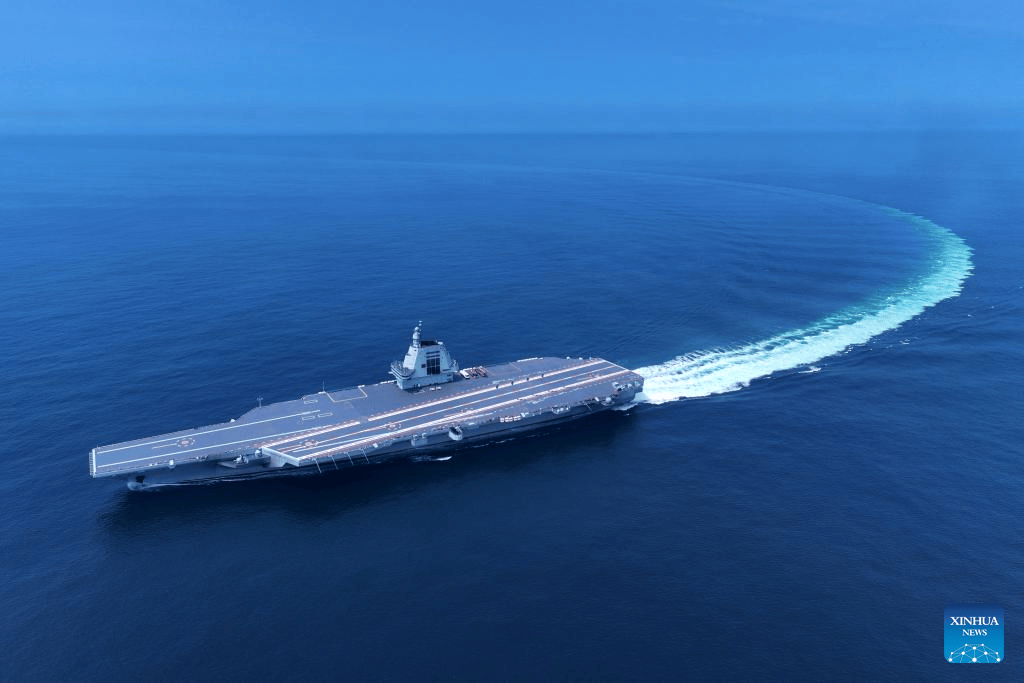
Pete Hegseth Alerts That China’s Hypersonic Missiles Could Destroy US Aircraft Carriers In Just 20 Minutes, According To Pentagon Simulations
The US Secretary of Defense, Pete Hegseth, expressed concern about China’s advancements in hypersonic weapons. In a recent interview, he stated that the new Chinese missiles could neutralize American aircraft carriers in just 20 minutes.
According to Hegseth, China is developing military technologies with a direct focus on US naval supremacy. He said that aircraft carriers are the main symbols of the United States’ power projection and are now directly threatened by Chinese hypersonic missiles.
“So, if our entire power projection platform is aircraft carriers and the ability to project power this way strategically around the globe. And yes, we have a nuclear triad and all that, but [aircraft carriers] are a big part of it. And if 15 hypersonic missiles can destroy our 10 aircraft carriers in the first 20 minutes of a conflict, what does that look like?”, he said.
-
While giant ships still burn heavy fuel and the maritime sector races against climate targets, Maersk and Vale are starting to bet on ethanol as a new route to reduce emissions at sea.

-
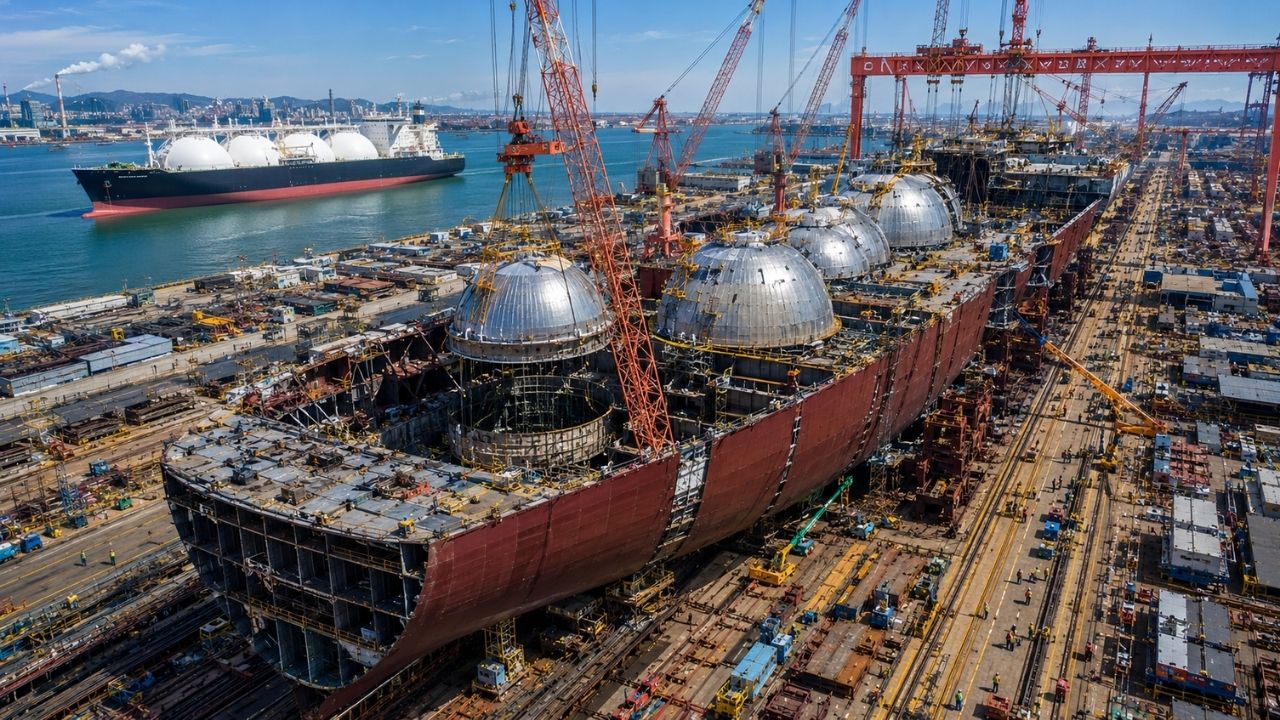
China begins construction of the world’s largest LNG ship, a 344-meter giant capable of supplying 4.7 million homes for a month, carrying 271,000 m³ of gas, and placing QatarEnergy in the largest naval order ever recorded in world history.

-
China is designing a container ship with a thorium nuclear reactor that will operate for 40 years without refueling, and the 25,000-container giant from Jiangnan Shipyard will cross oceans without emitting carbon in an industry that burns 300 million tons of fuel per year.
-
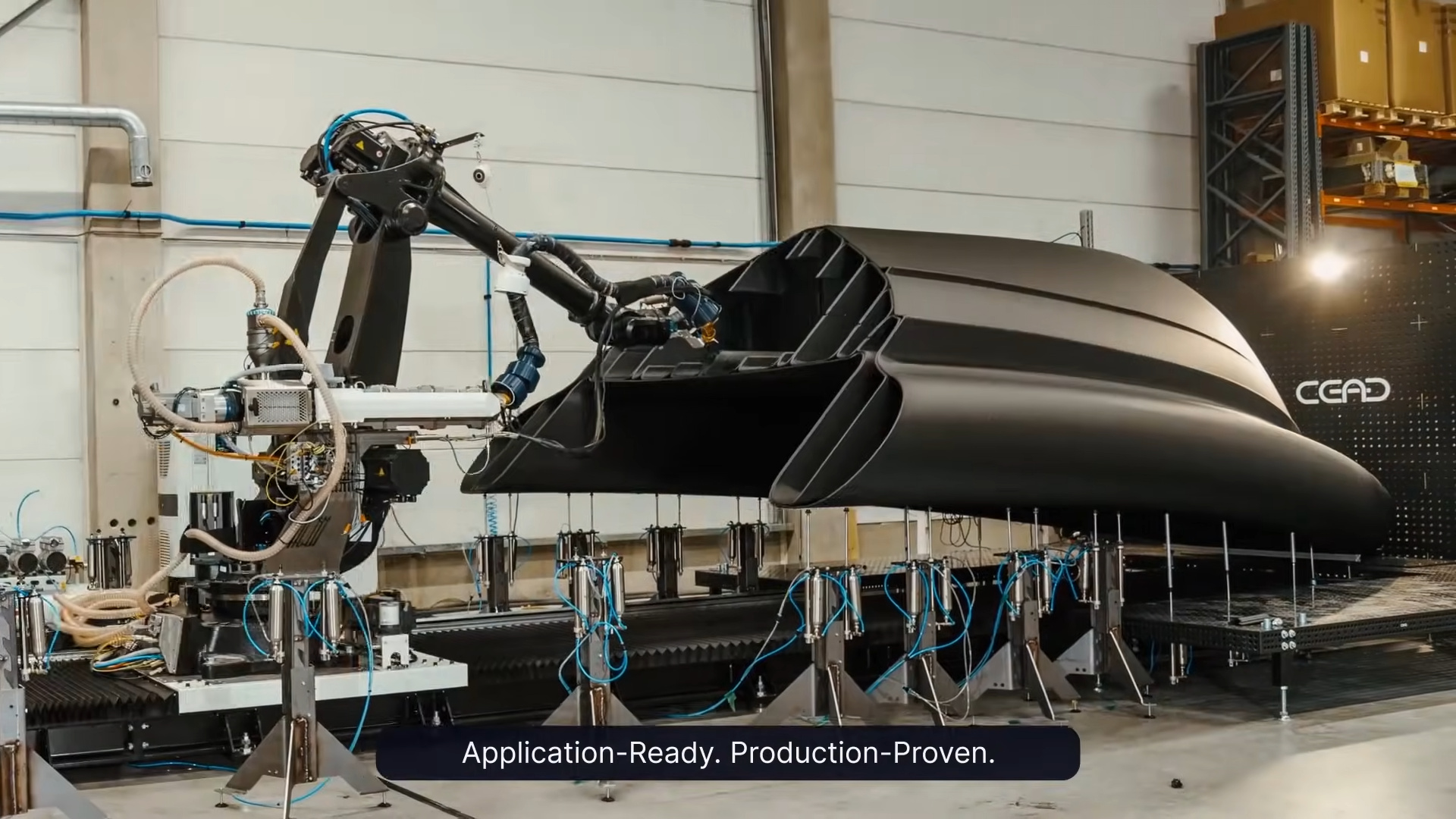
An entire boat came out of the 3D printer without a mold and without seams: CEAD’s giant robot creates hulls up to 12 meters in a single piece, replacing months of shipyard work with code and putting shipbuilding on the brink of a turning point that seems like science fiction.


Simulations Show American Disadvantage Against Hypersonic Missiles
During the same interview, the Secretary mentioned that war simulations conducted by the Pentagon have repeatedly shown US defeats in scenarios involving the use of these new missiles by China. For Hegseth, this demonstrates the urgency of rethinking the American defensive strategy.
The Secretary’s warning also echoes the assessment of military experts. They highlight that missiles like the DF-21D and DF-17 pose a significant risk to traditional aircraft carrier strike groups.
With a range exceeding 1,500 kilometers and evasive maneuvering capability, these weapons challenge the conventional defenses used by the US.
Modernization and Alliances As A Response
In response to this threat, the United States has been accelerating the development of more advanced interception systems. Additionally, there is an effort to modernize the US naval fleet.
Another important move has been the strengthening of military alliances in the Indo-Pacific. Hegseth has made recent visits to Japan and the Philippines to deepen cooperation with strategic partners in the region.
The American military presence in the Taiwan region has also been reinforced in light of increasing tensions. According to analysts, the evolution of Chinese capabilities could change the regional strategic balance. This would require a joint, coordinated, and continuous response from the United States and its allies.
DF-17: The Hypersonic Missile Tested In Secret
The first tests of the DF-17 missile were conducted by China in November 2017. The information was released by The Diplomat. Test flights occurred at the Jiuquan Satellite Launch Center in Inner Mongolia.
In one of the tests conducted on November 1, the missile’s payload traveled approximately 1,400 kilometers. The hypersonic glide vehicle (HGV) attached to the missile flew at an altitude of 60 kilometers after separating from the ballistic booster.
The HGV comes into action after the ballistic and reentry phases of the missile are completed. It allows for greater maneuverability during the final flight phase, making interception more difficult. During the test, the DF-17 hit a target in Xinjiang Province, just a few meters from the intended point, according to sources cited by the publication.
Multiple Capabilities and Precision
According to American intelligence, the DF-17 is a medium-range missile with an estimated range of 1,800 to 2,500 kilometers. It can carry both nuclear and conventional warheads.
Additionally, the missile can be adapted to carry a maneuverable reentry vehicle, which expands its tactical use possibilities. During the cited flight test, the hypersonic gliding phase lasted nearly 11 minutes and was considered a success by Chinese authorities.
The increasing accuracy and range of Chinese weapons put the US on alert. The military balance in the Indo-Pacific region may be changing.
With information from Naval.com.






Be the first to react!