Portuguese
  Spanish


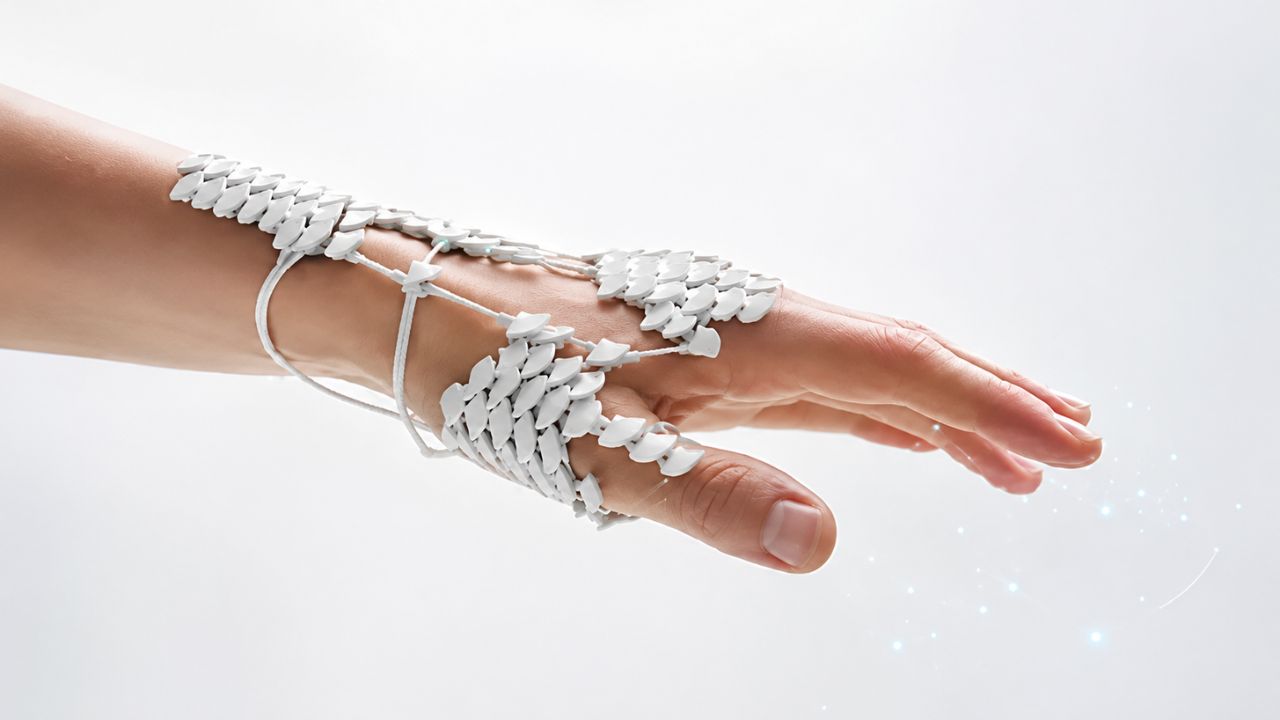


Students create the Human Operator, a system that uses artificial intelligence and electrical stimuli to guide hand movements.
In a hackathon lasting only 48 hours, students from the Massachusetts Institute of Technology (MIT) built a wearable device capable of making a person’s hand move without any effort. Called Human Operator, the equipment combines artificial intelligence, cameras, and electrodes that send electrical pulses directly to the forearm muscles to execute precise gestures under AI command. The project opens concrete possibilities for physiotherapy, motor rehabilitation, skill learning, and autonomy for people with physical disabilities.
The proposal draws attention by exploring a different form of interaction between people and machines. Instead of just interpreting information, the system can also act directly on the user’s muscles through carefully controlled electrical signals.
How does the Human Operator work?
The project developed by the students uses a technique known as muscle electrical stimulation. This method sends electrical impulses to specific regions of the body to activate certain muscle groups.
-
Brazilian Startup Converts Tucumã Seeds into Bioplastic for Bicycle Pedals, Cups, and Construction Materials

-
NASA Captures Rare Encounter of South Korean “Surfboard” Spacecraft Crossing Lunar Orbit at Over 11,000 km/h

-
Germany Opens World’s Largest Smart Power Semiconductor Factory with €5 Billion Investment, Creating 1,000 Jobs and Doubling Capacity for AI and Energy Needs

-
Kazakhstan’s Torysh Valley Holds Thousands of Giant Stone Spheres, Intriguing Scientists with Ancient Oceanic “Cannonballs”
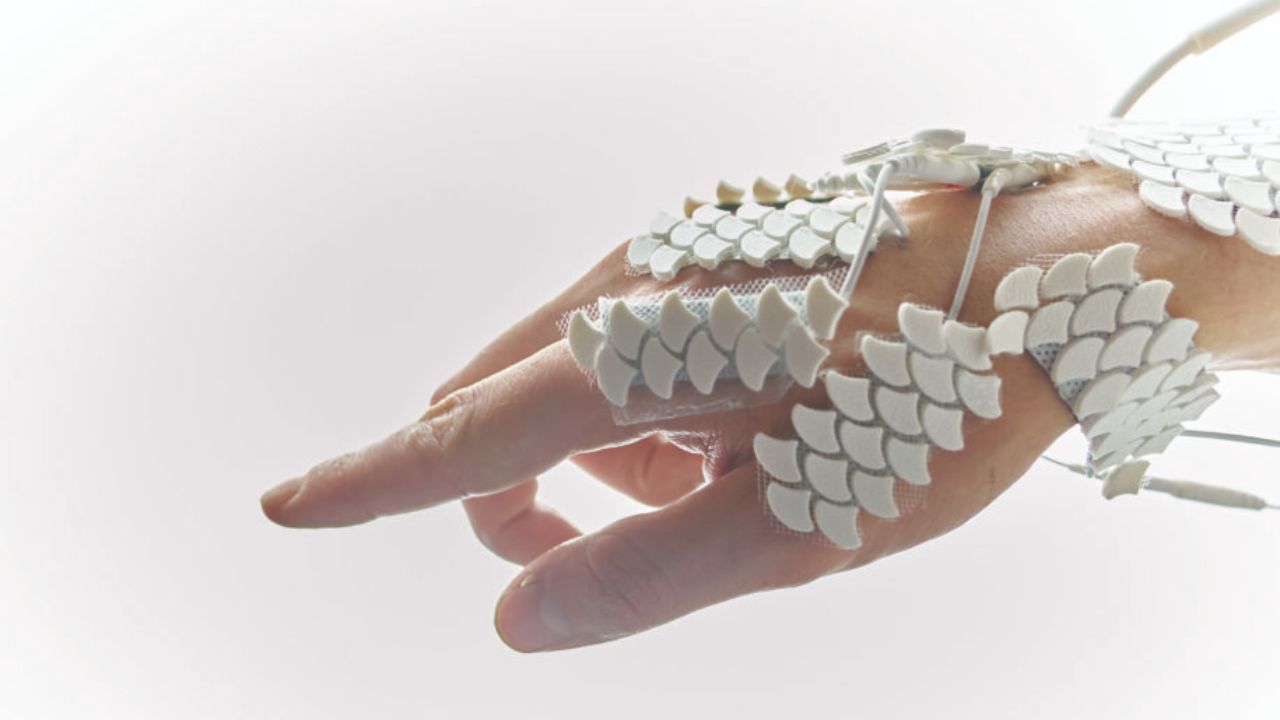
In the Human Operator, electrodes are positioned on the wrist or forearm. From this point, artificial intelligence coordinates the necessary stimuli to produce predefined manual movements.
The technology brings together different components:
- Artificial intelligence models;
- Camera vision systems;
- Interpretation of visual and verbal commands;
- Muscle stimulation hardware;
- Electrodes responsible for muscle activation.
With this integration, the equipment can convert received information into physical movements performed by the user’s hand.
Students bet on the union between AI and muscle stimulation
Although electrical muscle stimulation is not new, the way it was applied by the students represents one of the project’s differentiators.
Traditionally, this technology is already used in physical rehabilitation programs and resources for people with motor limitations. In the case of the Human Operator, the technique was associated with artificial intelligence to allow more precise control of movements.
The combination creates a kind of interface between the human body and digital systems, allowing commands processed by AI to be converted into actions executed by the muscles.
Human Operator can help in learning motor skills
Among the applications pointed out for the device is educational use. The creators believe that the technology can assist people who need to develop specific movements during learning processes.
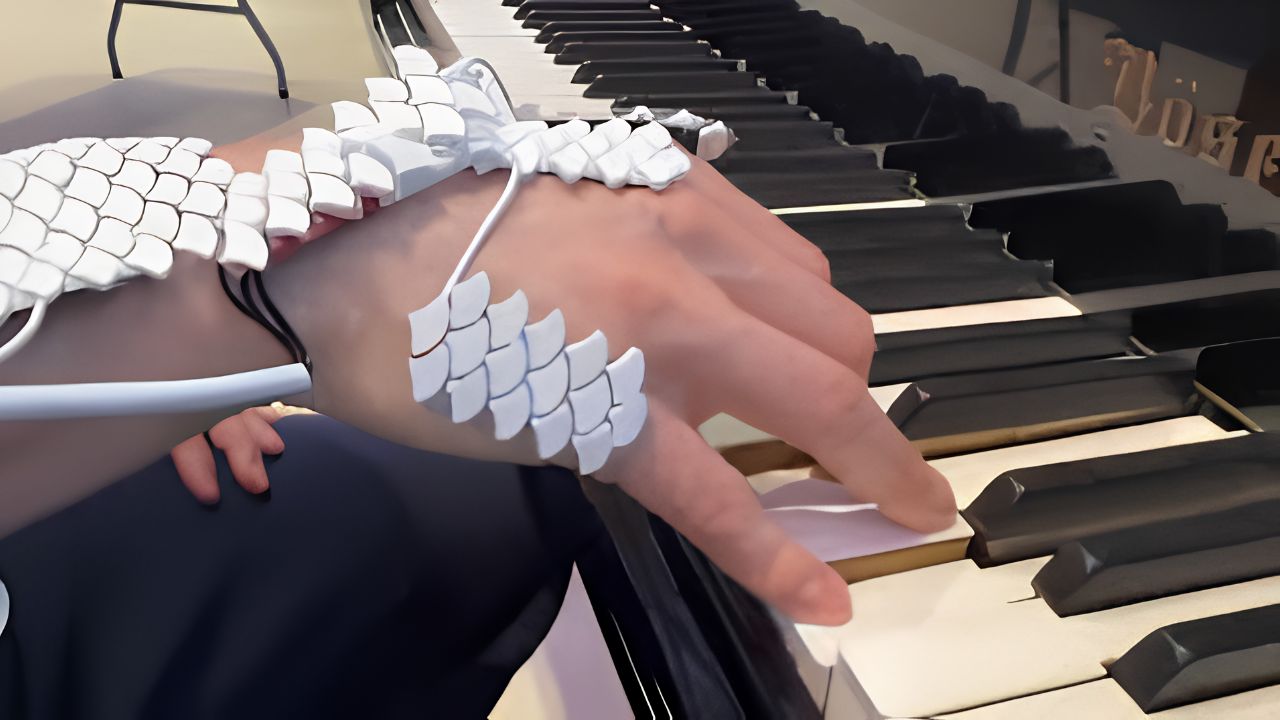
One of the possibilities mentioned is training related to playing musical instruments. By guiding certain gestures, the system can serve as support during the practice of complex motor skills.
In this scenario, the equipment would act as a complementary tool for exercises that require repetition and coordination.
Health appears among the main fields of application
The medical field is also among the sectors that can benefit from technology.
As electrical muscle stimulation is already used in physiotherapy treatments, the Human Operator emerges as an alternative capable of expanding this type of support. The device can assist exercises aimed at movement recovery and muscle strengthening during rehabilitation processes.
The proposal includes support for patients facing motor difficulties or recovering after surgical procedures.
Moreover, the technology can contribute to making therapeutic activities more targeted and controlled.
Inclusion and autonomy are among the project’s objectives
Another possibility raised by the developers involves assisting people with physical limitations in daily activities.
By facilitating the execution of certain movements, the system can help perform simple day-to-day tasks, reducing the need for constant assistance in some situations.
Among the mentioned examples are actions such as:
- Holding objects;
- Performing basic gestures;
- Supporting hand movements;
- Assisting routine activities.
The expectation is that such resources will contribute to increasing users’ independence.
The Human Operator still represents an experimental initiative, but it demonstrates the potential existing in the integration between artificial intelligence and muscle stimulation.
By combining command interpretation, computer vision, and controlled muscle activation, the device presents a new form of interaction between humans and digital systems.


In addition to educational and medical applications, the project highlights future possibilities for assistive technologies and tools aimed at accessibility.
Thus, the work developed by MIT students reinforces how solutions created in academic environments can open new perspectives for the relationship between technology, mobility, and human autonomy.
Source: Soluções Industriais