Portuguese
  Spanish


Discover How New Projects by MME Will Reduce Costs and Increase Access to Energy in the Legal Amazon, Promoting Sustainability and Regional Development.
Access to energy in the Legal Amazon has always represented a historical challenge for Brazil. Moreover, the region, marked by its vast territorial extension and logistical difficulties, faces natural and structural obstacles that make it hard to ensure quality electricity for its populations.
For a long time, electricity supply relied heavily on diesel-fueled thermal power plants. This, in turn, made energy costs high and unstable. Thus, the economic, social, and environmental development of many localities in the region became compromised.
Historically, the Legal Amazon has faced enormous challenges in energy supply due to its complex geography, with extensive rivers, dense forests, and dispersed populations. Additionally, the dependence on fossil fuels, especially diesel, resulted in high operational costs and significant environmental impacts, with high CO₂ emissions.
-
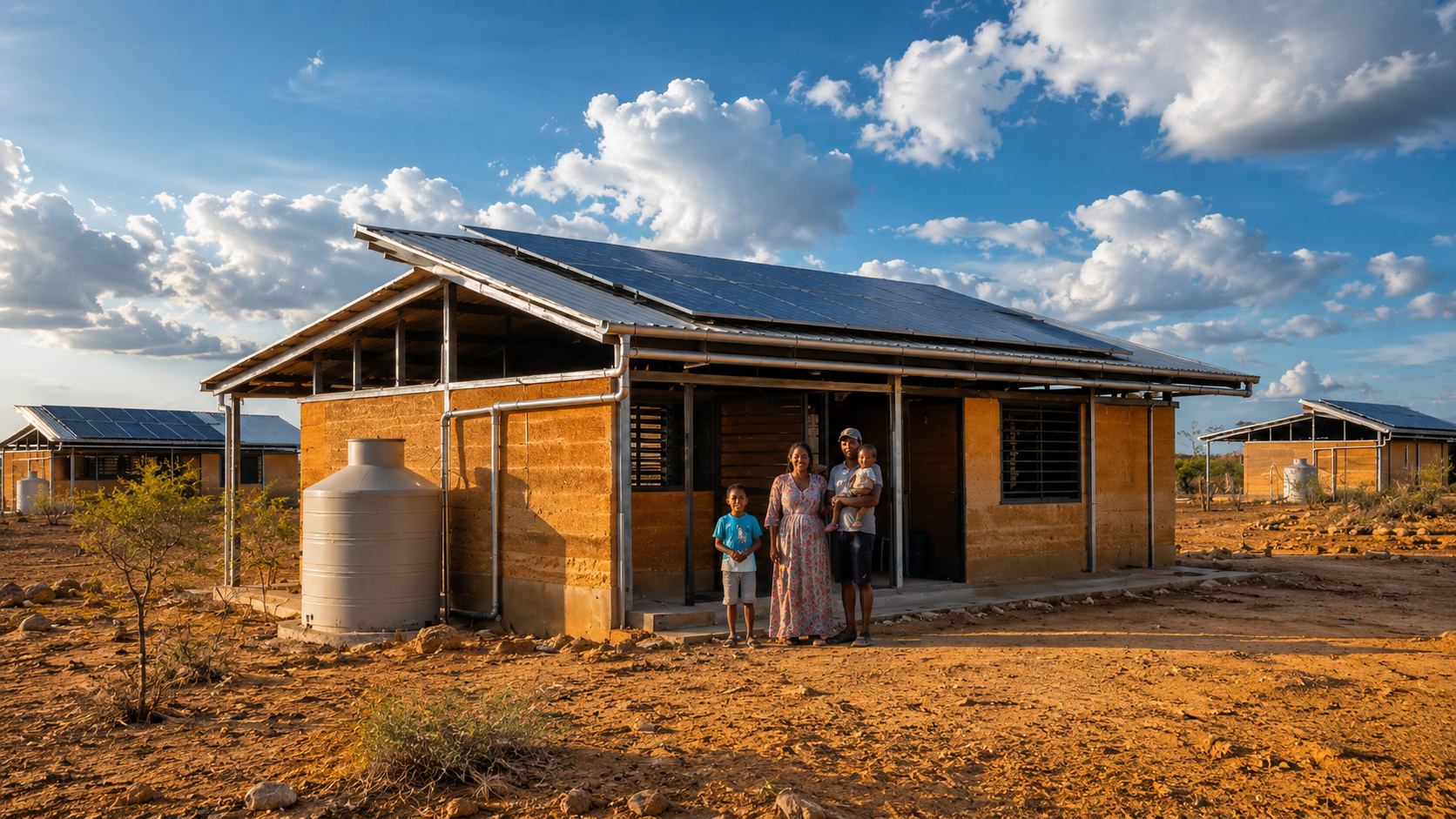
In Colombia’s desert, 30 families receive 80 m² homes with solar panels, waterless toilets, and rainwater collection systems amid water and energy shortages.

-
Engie Secures 10-Year Use of 625 MWh in Batteries to Store Excess Solar and Wind Energy in Spain by 2028
-
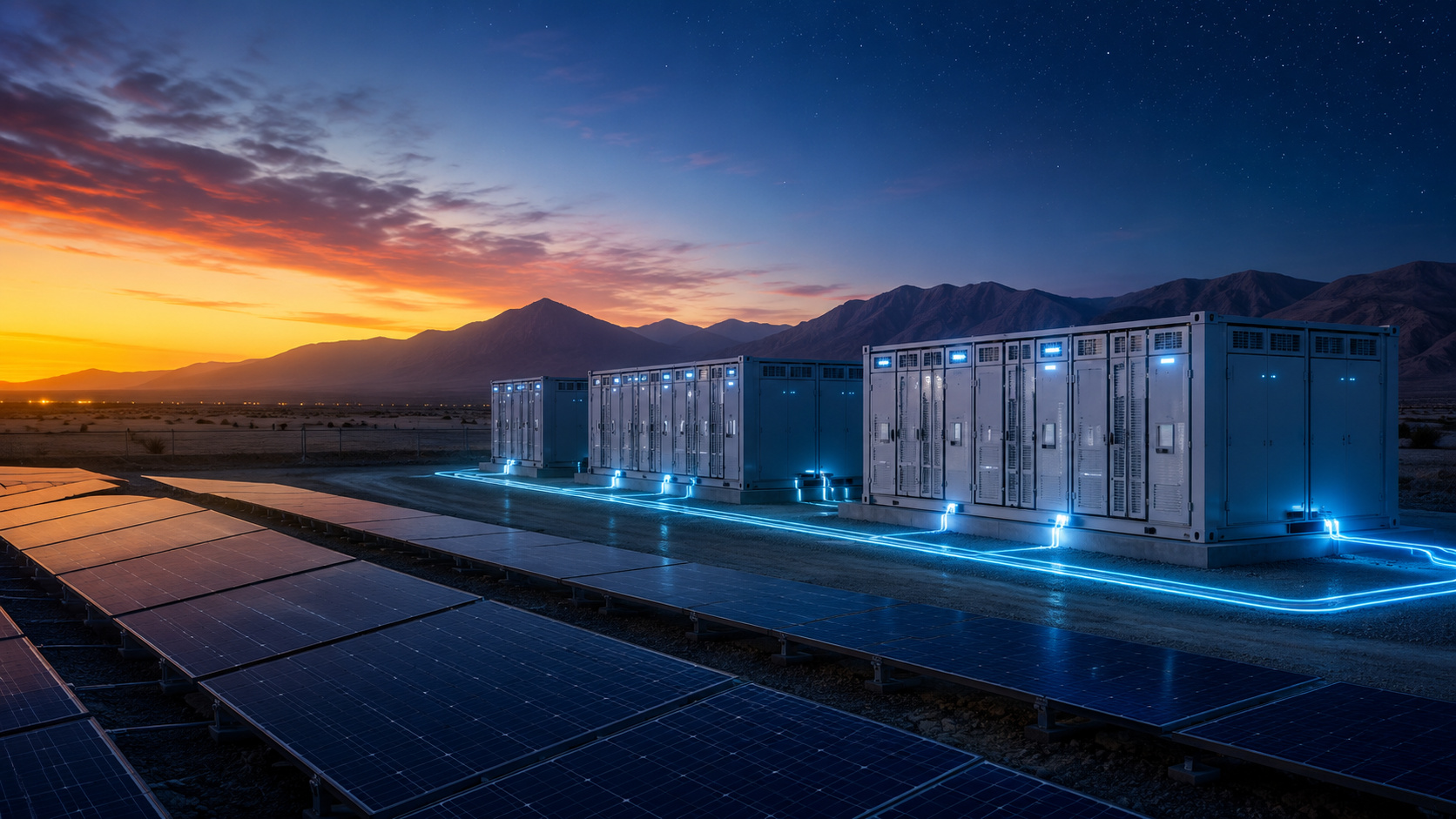
Giant Batteries Take Center Stage in Chile Auction as Company Offers 960 GWh of Solar Energy for Nighttime Use, Aiming to Stabilize Solar Power Supply
-
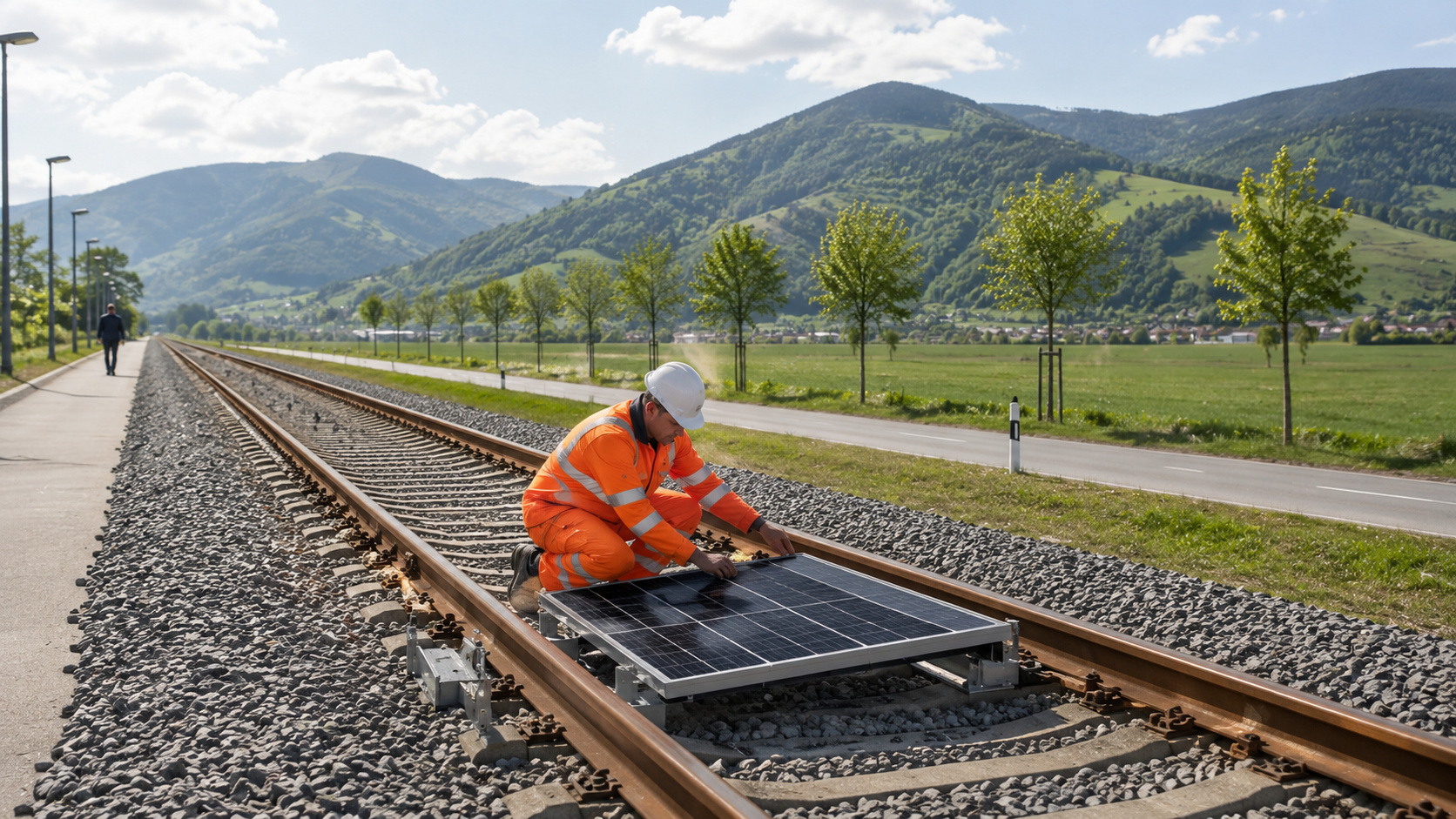
After a Year of Success in Switzerland, Solar Railway Attracts Italy’s Interest for Clean Energy Transformation

Therefore, initiatives aimed at implementing clean sources and modernizing energy infrastructures emerge as essential to promote a sustainable and fair energy transition.
At the same time, the isolation of many communities complicated the maintenance of reliable electrical systems. On the other hand, government efforts over the past decades have paved the way for energy integration policies that, today, gain new momentum with projects aimed at technological modernization and the use of renewable sources.
New Strategic Projects by MME
To transform this reality, the Ministry of Mines and Energy (MME) recently published Resolution No. 30, dated August 29, 2025, approving a new portfolio of strategic projects aimed at reducing energy costs in the Legal Amazon.
Furthermore, the initiative, coordinated by the Pro-Legal Amazon Management Committee (CGPAL), brings together 14 projects presented by four proponents. The total investment is estimated at R$ 829 million, of which the program directly contributes R$ 510 million, exceeding the initially planned amount of R$ 138 million.
Consequently, the projects approved by MME aim to reduce costs, increase energy security, and promote sustainability in 36 localities of the Legal Amazon. Thus, about 652,000 people will benefit directly.
In addition, the expectation is to save 270 million liters of diesel and reduce over 800,000 tons of CO₂. Contributing, in this way, to the country’s environmental commitments and to the mitigation of climate change.
Among the solutions, highlights include the hybridization of thermal plants with solar photovoltaic energy, battery storage systems, and the modernization of public lighting in strategic municipalities.
Moreover, the companies responsible for executing the projects are Eletrobras, Aggreko, Oliveira Energia, and Roraima Energia, in partnership with Eletrobras. Ensuring technical expertise and integration between public and private initiatives.
The investment also includes improvements in energy distribution infrastructure, with more efficient lines and monitoring systems that quickly detect problems. Consequently, failures and supply interruptions are reduced.
Thus, these actions increase the reliability of the system, strengthening community trust and enabling new local investments in essential businesses and services.
Social and Environmental Benefits of the Projects
The president of CGPAL and National Secretary of Energy Transition at MME, Gustavo Cerqueira Ataide, emphasized that the measure represents an important step to reduce dependence on diesel and increase the use of clean sources in operating plants.
Additionally, he stated that the initiative also helps to reduce the Fuel Consumption Account (CCC). Thus, the Amazonian population will have access to more stable, reliable, and sustainable energy.
A relevant characteristic of these projects is the focus on energy efficiency and social benefits. Therefore, approximately 90% of the funds will go to the installation of solar photovoltaic plants and storage systems in localities such as Tefé, Tabatinga, and Benjamin Constant, in Amazonas.
Furthermore, the government allocated R$ 11.7 million specifically for communities in Roraima, such as Santa Maria do Boiaçu and Vila Caicubi. These localities will have structural solutions for electricity generation.
Moreover, the modernization of public lighting in municipalities like Oiapoque, in Amapá, includes retrofitting lamps and training local technicians. This way, social and professional development is also promoted.
The environmental impact of the projects is significant. By partially replacing diesel with solar energy, greenhouse gas emissions are reduced and local pollution decreases, thereby preserving sensitive ecosystems.
In addition, the use of renewable technologies contributes to the environmental education of communities, encouraging sustainable practices and strengthening awareness about the preservation of the Amazon.
Financing and Monitoring of the Projects
The government finances the projects mainly through the Amazon Legal Development Account (CDAL). Thus, all investments occur in a transparent and sustainable manner.
Additionally, this strategy reinforces the need for long-term planning and public policies that consider not only energy generation but also the maintenance and operation of installations, as well as training local labor.
MME and Eletrobras will directly monitor the execution of the proposals, ensuring agility and quality in the projects.
At the same time, the Management Committee will continue evaluating new solutions and mechanisms for the use of resources in isolated systems. Moreover, it will discuss advances in river navigation projects for the Madeira and Tocantins rivers, thereby promoting energy and logistical integration in the region.
The expected impact goes beyond cost reduction. The initiative stimulates local entrepreneurship, creates jobs, and improves the quality of life for affected communities.
Additionally, the transition to clean sources, such as solar energy, strengthens Brazil’s position in the international arena, aligning the country with global environmental commitments and consolidating policies for sustainable development.
The strengthening of the regional economy is also evident. Thus, with cheaper and more reliable energy, small and medium businesses gain competitiveness.
Moreover, essential sectors, such as health and education, operate more efficiently, ensuring that Amazonian communities have access to quality services.
Energy Transformation and Social Inclusion
Historically, efforts to expand energy in the Legal Amazon have faced limitations due to access difficulties and high transportation costs of fossil fuels.
However, the adoption of renewable and hybrid technologies reduces dependence on diesel and other polluting sources, thus promoting a cleaner and more reliable energy matrix.
In this way, this transformation represents not only a technological advance but also a commitment to energy justice, ensuring that historically isolated regions can develop sustainably.
Moreover, the projects include training of local professionals, modernization of urban infrastructure, and generation of jobs. This values human capital and strengthens the regional economy.
At the same time, the integration of energy, social, and environmental policies shows that Brazil seeks a development model that balances economic growth and biodiversity preservation, especially in such a sensitive region like the Amazon.
Investment in energy in the Legal Amazon also brings strategic effects for the country. Thus, a more diversified and less fossil-fuel-dependent energy matrix reduces vulnerabilities and increases energy autonomy.
Furthermore, cost reduction strengthens regional competitiveness and creates conditions for new investments in infrastructure, industry, and services. This way, it boosts the sustainable development of the entire Amazon region.
In summary, the approval of projects by MME marks a significant advancement in the history of energy in the Legal Amazon.
Focusing on sustainability, efficiency, and social inclusion, the initiative demonstrates that it is possible to reconcile economic development, environmental preservation, and improvement of the quality of life of local populations.
Thus, by reducing costs and increasing access to clean sources, the program consolidates a modern, safe, and environmentally responsible energy matrix, reinforcing Brazil’s commitment to a just and inclusive energy transition.