Portuguese
  Spanish


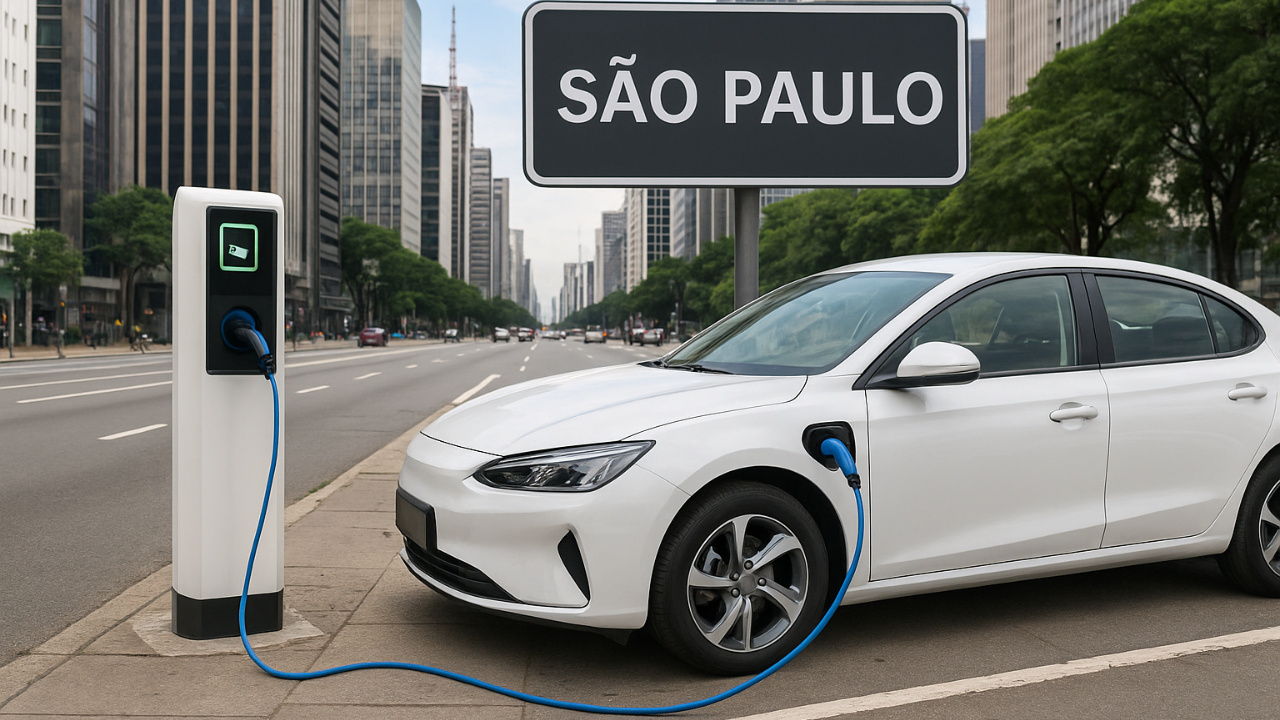

Research Shows That Eight in Ten Residents of São Paulo Consider Buying Electric Cars. Interest in Hybrids Exceeds 90%, Driven by Economy and Environmental Awareness.
The mobility landscape in São Paulo is changing rapidly. According to the latest edition of the Radar Autos, a report prepared by Data OLX Autos, eight in ten residents of the state express interest in purchasing an electric car. The survey, released this Tuesday (23), indicates that electrification has already become part of the consumption mindset of São Paulo residents.
Among those surveyed, 77% stated they are considering the purchase of a fully electric vehicle, while 6% already have at least one model in their garages. Only 17% do not consider acquiring one at the moment, signaling that the transition to electrification is happening at an accelerated pace.
Hybrids Attract Even More Consumers
While electric vehicles gain prominence, hybrids spark even greater interest. The study shows that 70% of participants want to buy a hybrid car, while 21% already own a vehicle of this kind. Only 9% dismissed the idea. These numbers indicate that the public views hybrids as a viable intermediate step before fully adopting electric mobility.
-
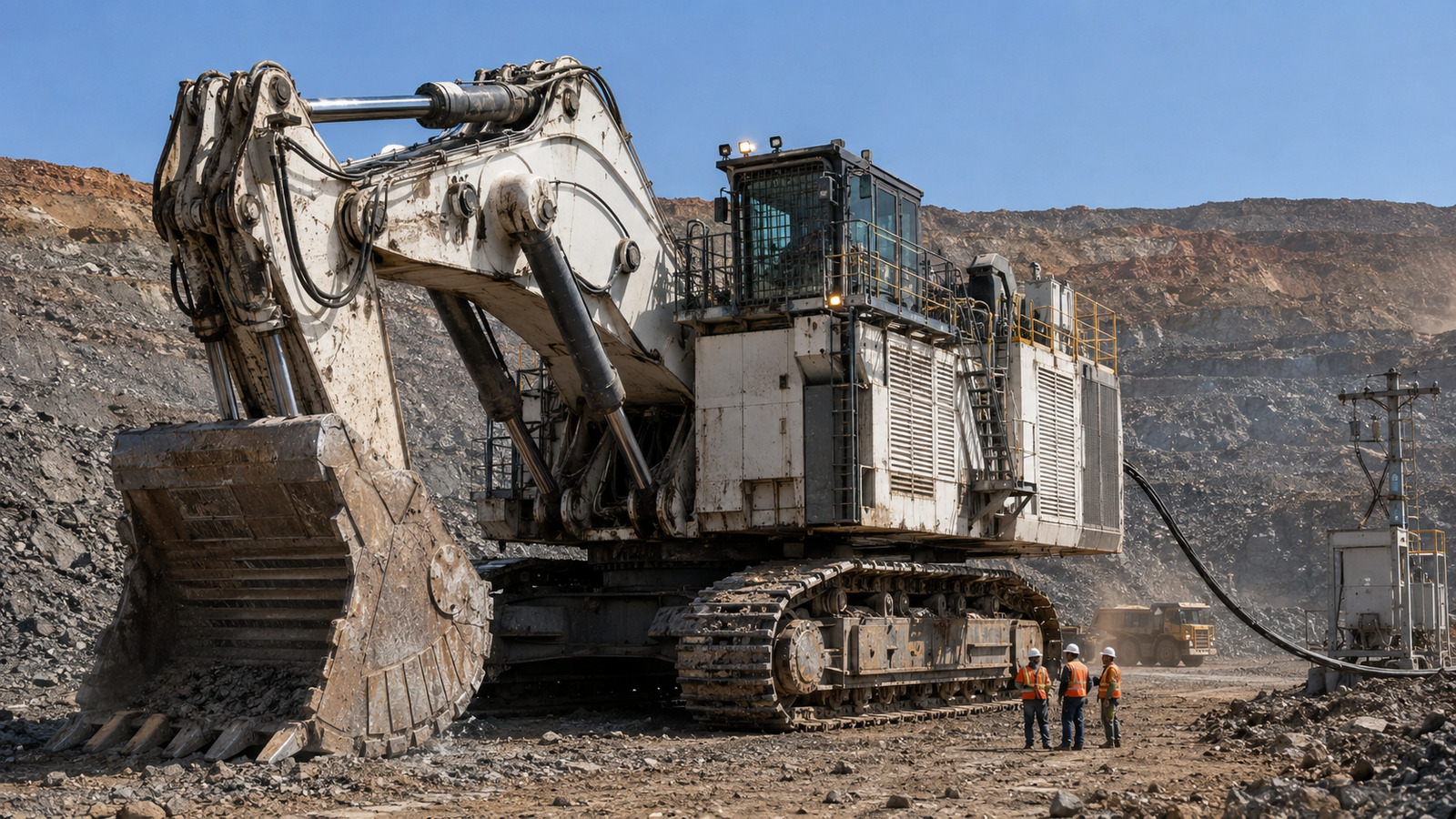
Unprecedented achievement in India: a colossal 650-ton, nearly 3,000 hp excavator is transformed into 100% electric, marking a new phase in heavy mining.

-
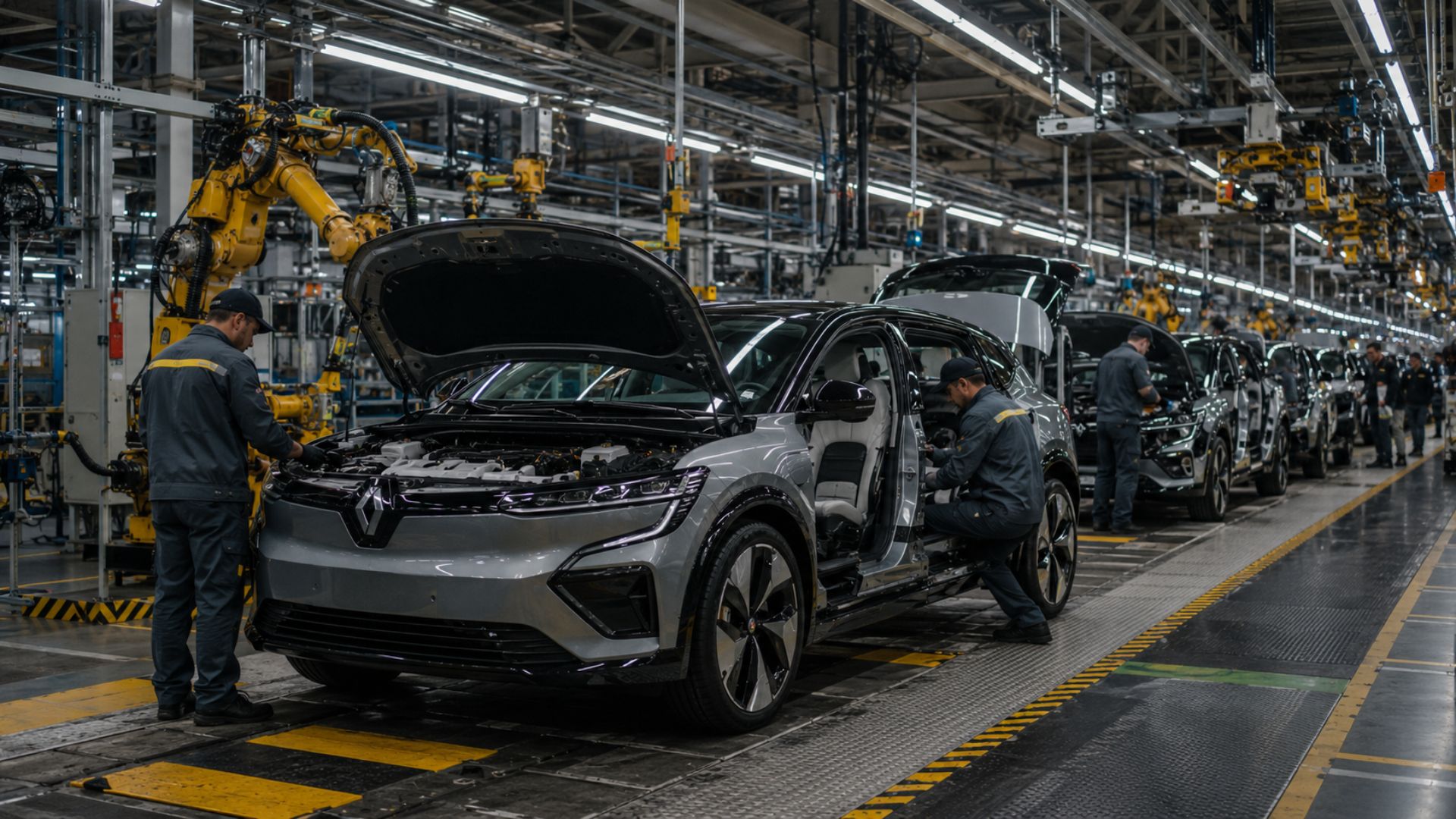
Frightened by the speed of Chinese manufacturers, Renault decided to mimic the pace, made the new electric Twingo in just 21 months, wants to repeat the feat with 36 models by 2030, and along the way, will cut up to 2,400 engineering positions.

-
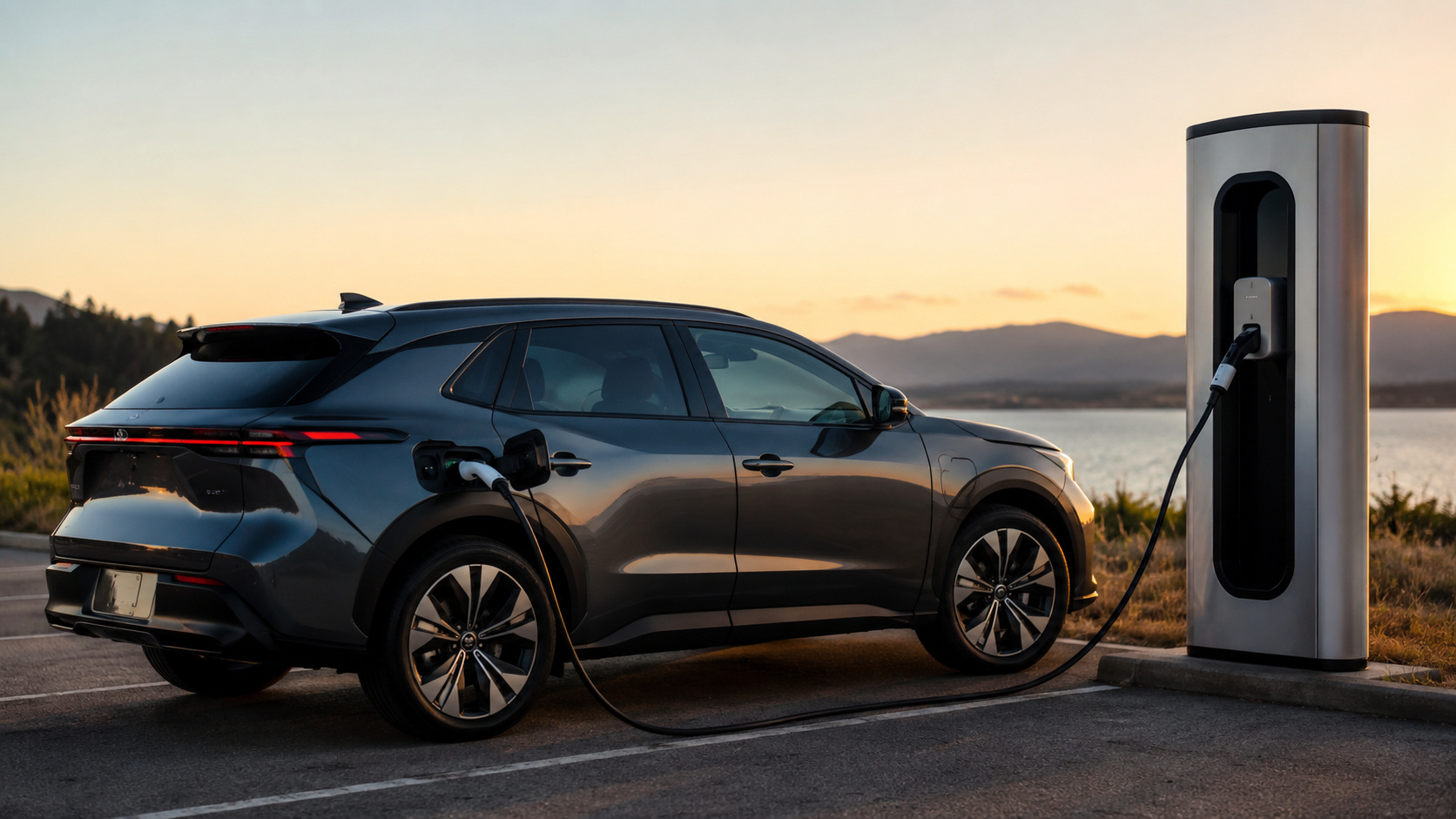
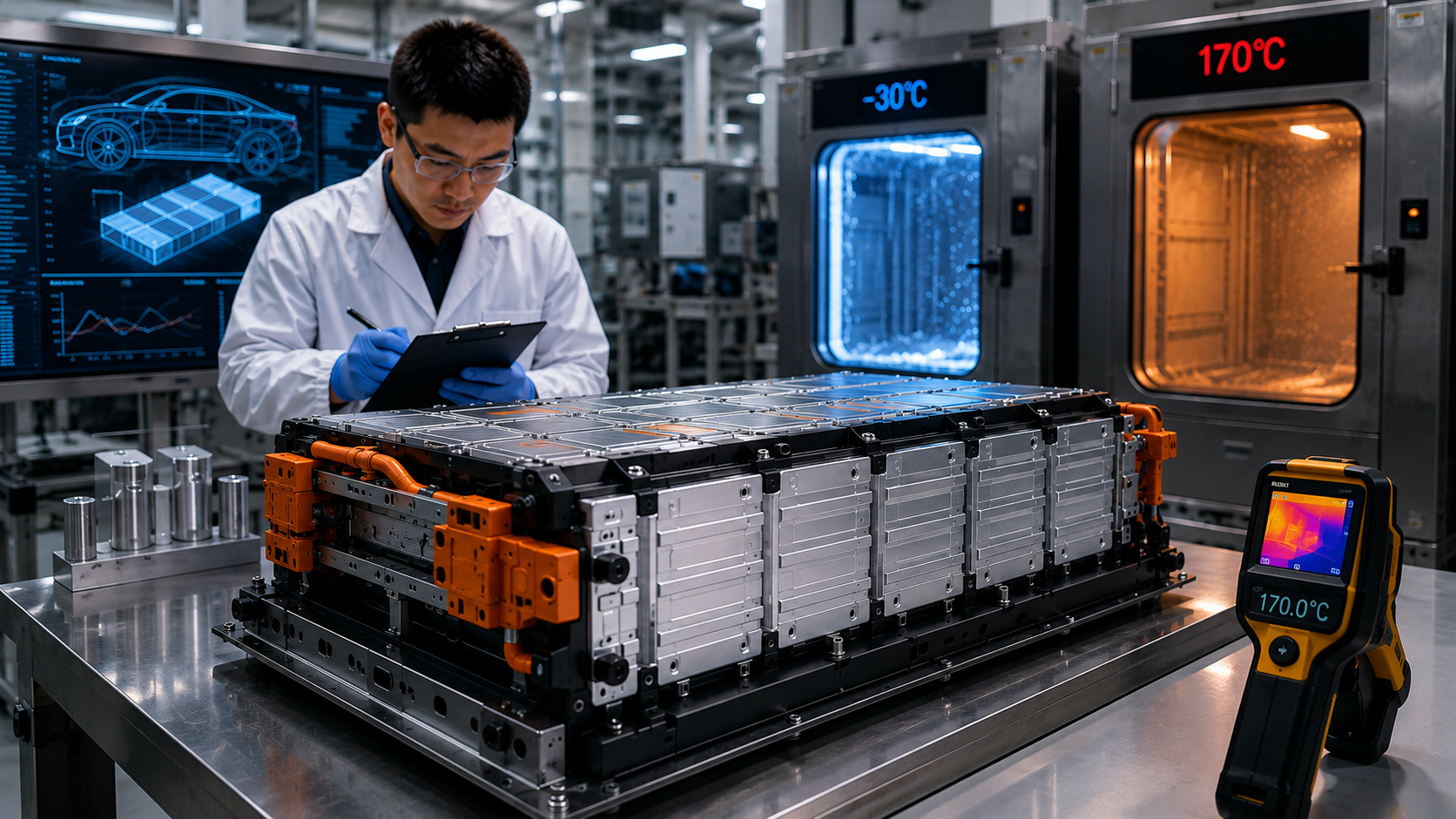
Chinese battery from Dongfeng promises to exceed 1,000 km without relying on liquid electrolyte, and the detail behind the technology could change the electric car competition.

-
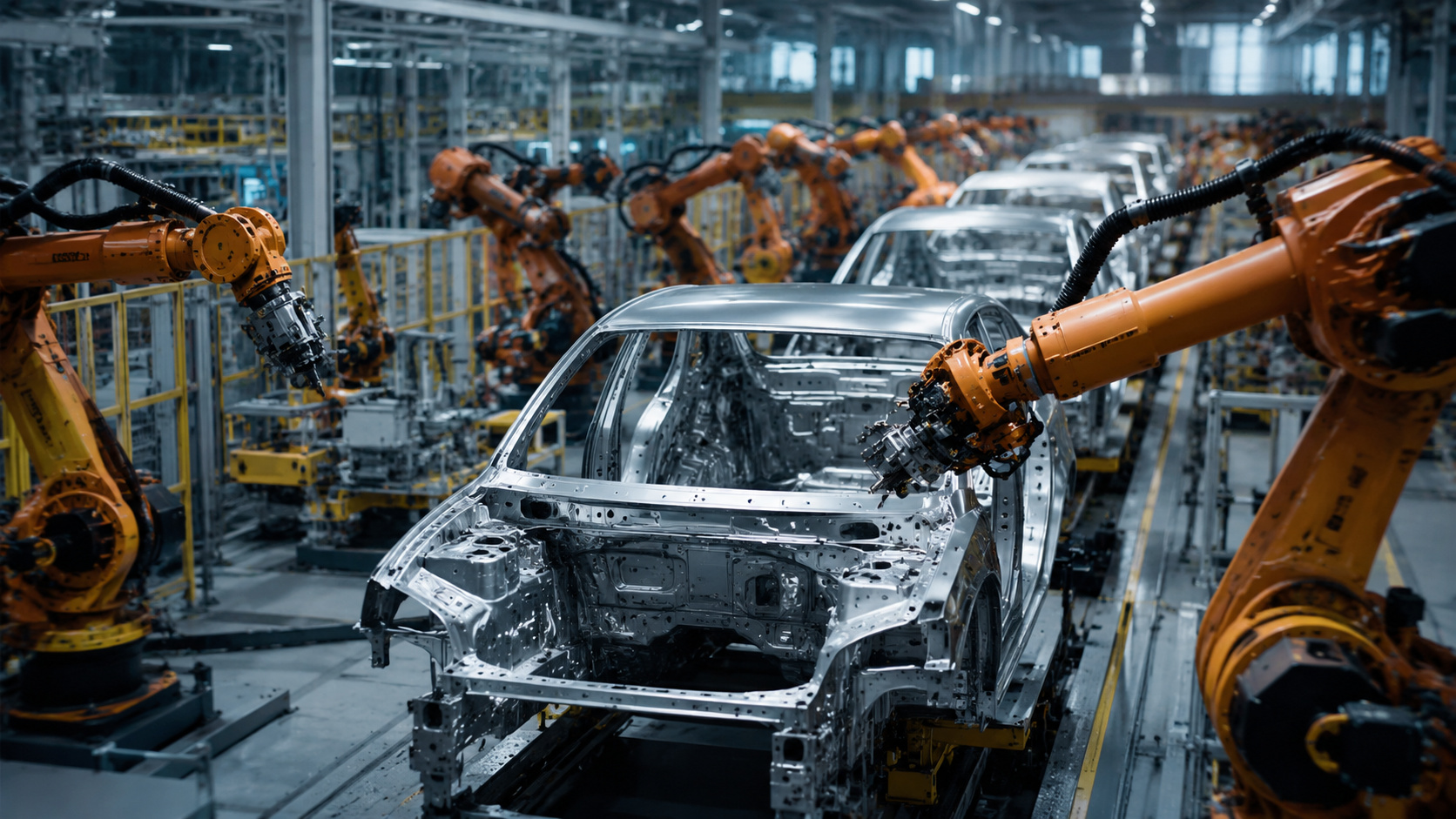
The end of the automotive combustion era has already begun, but many in Brazil have not yet realized the magnitude of the shift towards Chinese electric cars.
Reasons Driving the Choice of Electric Cars
Cost is the most decisive factor. For 61% of respondents, the lower fueling cost was the main attraction, followed by the same percentage for reduced emissions. Additionally, the silent engine was mentioned by 39% of the participants, while lower vehicle tax appeared in 32% of the responses. The reduced maintenance cost was recalled by 31% of consumers.
These data reinforce that the decision goes beyond sustainability: it is also linked to finances and practicality in daily life.
The study also highlights that the residents of São Paulo are becoming more aware of mobility alternatives. According to Flávio Passos, Vice President of Autos at Grupo OLX, “this new edition of Radar Autos reflects a more conscious and diverse consumer in their choices.” He also emphasizes that the transition is occurring in a “gradual and consistent” manner, keeping pace with the evolution of supply and infrastructure in the state.