






 Portuguese
  Spanish


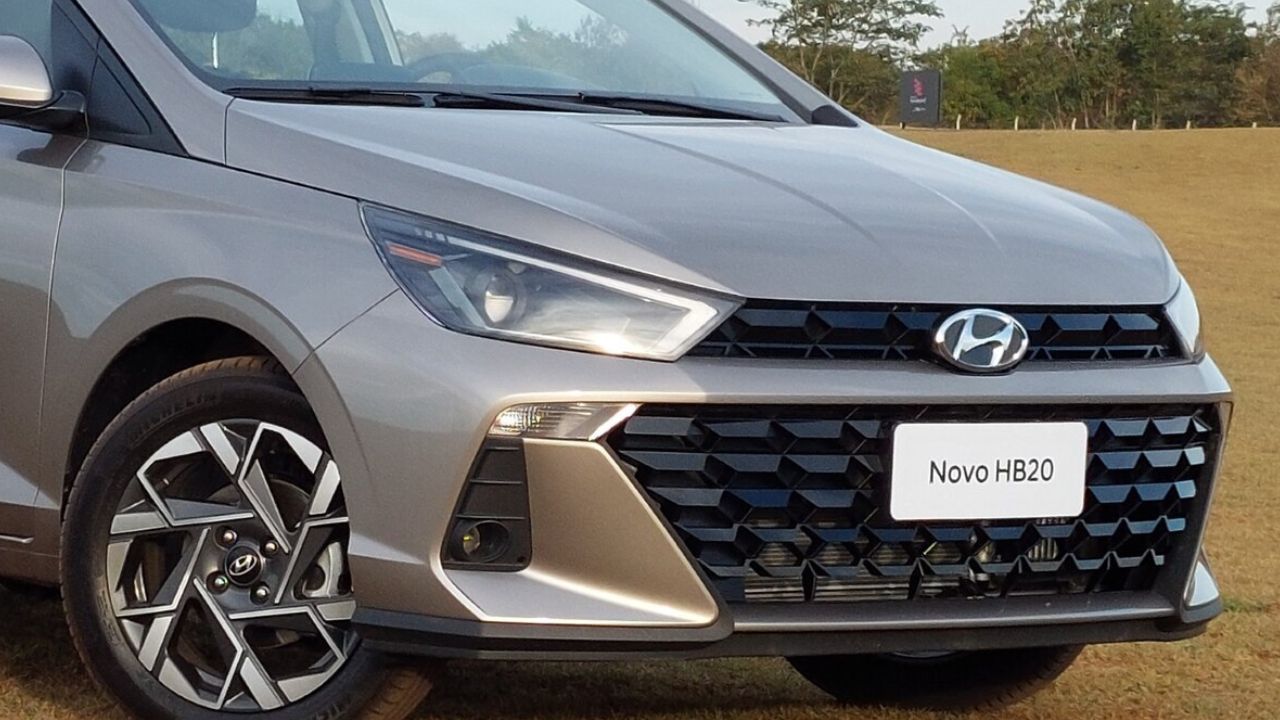


Power Reduction in Gasoline, Changes in Consumption, and New Maximum Rotations: See How the Hyundai 1.0 Turbo Engine Was Adjusted to Meet the Environmental Requirements of Proconve L8.
Since January 1, 2025, the Brazilian automotive market is adjusting engines to comply with Proconve L8, the new emissions control legislation. The impact has been especially felt in the 1.0 turbo engine of Hyundai, found in the Creta, HB20, and HB20S, which has experienced power reductions and changes in fuel consumption. But what does this mean in practice? Let’s explore!
What Is Proconve L8 and How Does It Affect Engines?
Proconve L8 (Program for the Control of Air Pollution from Motor Vehicles) is a milestone in Brazil’s environmental legislation. It requires vehicle engines to emit fewer pollutants, forcing automakers to rethink their engine setups.
To Comply with the New Standards, manufacturers need to adopt technologies that control gas emissions. In the case of Hyundai’s 1.0 turbo engine, this resulted in adjustments that sacrificed some power but brought slight improvements in consumption in certain situations.
-
2027 Toyota Corolla Cross Unveiled: New Design, Enhanced Fuel Efficiency, Reduced Maintenance Costs, Advanced Technology, Connected Services, and Up to 10-Year Warranty

-
Fiat Cronos Precision 2018: Affordable Sedan with Spacious Trunk and Reliable Maintenance
-
Volkswagen to Cut Production by 1 Million Cars by 2030, Reducing Jobs and Platforms, Focusing on More Profitable Models

-
Toyota Launches First 100% Electric Car in Brazil: bZ4X with 343 HP, All-Wheel Drive, 361 km Range, Priced at $419,990 BRL, Limited to 99 Units




Changes in Hyundai’s 1.0 Naturally Aspirated and Turbo Engines
The 1.0 naturally aspirated engine of HB20 and HB20S maintained its power of 80 hp on ethanol and 75 hp on gasoline, but with a slight increase in torque on gasoline (from 9.4 kgfm to 9.6 kgfm). This change may seem minimal, but the performance gain occurs at higher rotations, requiring more effort from the engine.
Meanwhile, the 1.0 turbo engine of Hyundai lost power when fueled with gasoline, dropping from 120 hp to 115 hp. Despite this, the torque of 17.5 kgfm remained stable, delivering reasonable performance. With ethanol, the power stayed at 121 hp. For many, the reduction may seem like a setback, but it was necessary to balance emissions and consumption.
Fuel Consumption: Gains and Losses
The naturally aspirated HB20 and HB20S models showed slight improvements in ethanol consumption, achieving 9.7 km/l in the city and 10.9 km/l on the highway. On gasoline, the city consumption remained at 13.4 km/l, while on the highway it slightly increased to 15.4 km/l.
On the other hand, the models with Hyundai’s 1.0 turbo engine experienced a decline in urban consumption, now achieving 9.2 km/l with ethanol and 13 km/l with gasoline. On the highway, the numbers improved, benefiting longer trips.
The Hyundai Creta, known for not being the most economical car, surprised. With ethanol, consumption rose to 8.4 km/l in the city and 9 km/l on the highway. On gasoline, the numbers also improved, recording 12 km/l in the city and 12.7 km/l on the highway.
What Do These Changes Mean for Consumers?
The changes in Hyundai’s 1.0 turbo engine reflect a difficult balance between performance and sustainability. For those prioritizing power, the reduction in numbers may be disappointing. However, the gains in efficiency and compliance with environmental regulations are an important step for the automotive market.
With the new regulations, it is expected that automakers will invest more in technologies that improve engine efficiency without sacrificing performance so much. For consumers, this may mean higher-priced models in the short term, but with long-term benefits.
The 1.0 turbo engine of Hyundai, like other engines affected by Proconve L8, is an example of how legislation can Directly Influence Automotive Engineering. Despite the loss of power, these changes are essential for a more sustainable future. The question that remains is: Are we ready to trade some power for a cleaner world?









Kkkkkkkkkkkkkkkk, rindo até estes números serem reais. Com etanol, mal consigo 6km/l no meu Creta 24/25 na cidade. Com gasolina uns 9 km/l. Na estrada até melhora, ainda que não hahasequer um posto de combustível decente em São Paulo.
Bem, com postos de propriedade do Pcc e seus laranjas , fica difícil combustível de qualidade.