






 Portuguese
  Spanish
  4 min of reading
  0 comments


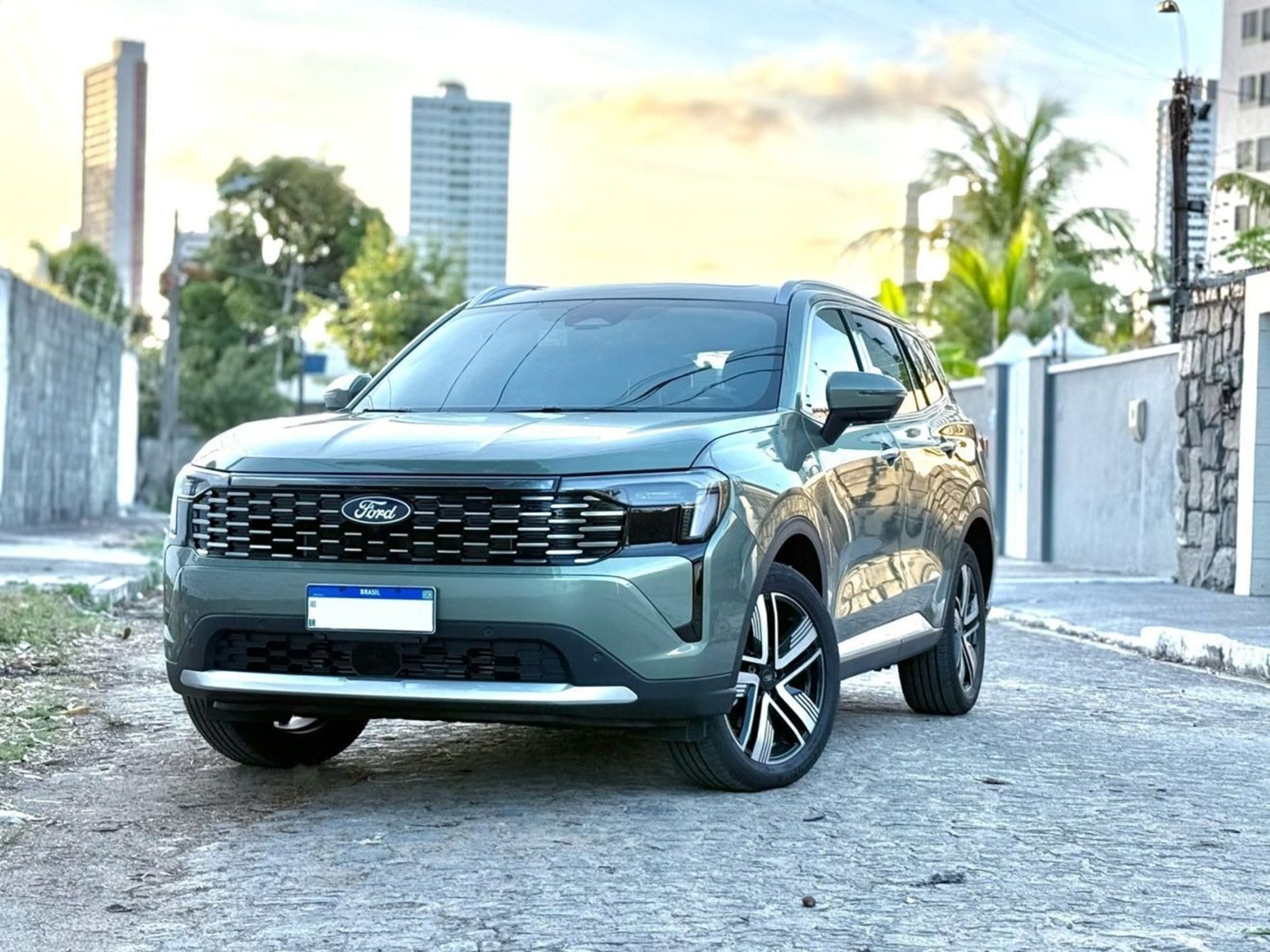
Medium Imported SUV, The Ford Territory 2026 Bets on the 1.5 Turbo Engine with 169 Hp as Its Main Mechanical Differential, Delivering Acceleration from 0 to 100 Km/h in 10.3 Seconds, with a Focus on Comfort, Silence and Urban Use
The Ford Territory 2026 uses a 1.5 Turbo EcoBoost engine with 169 hp and 25.4 kgfm, accelerates from 0 to 100 km/h in 10.3 seconds, is sold in a single Titanium version for R$ 215,000, and today represents the brand’s entry point in Brazil, focusing on urban proposals, comfort, and technology.
The performance of the Territory is the main technical element of the model, as Ford has repositioned its lineup in Brazil to only include imported vehicles. Without electrification, the SUV relies on the mechanical set to meet everyday use, combining adequate responses, silence while driving, and delivery compatible with the proposal.
The 1.5 Turbo EcoBoost engine works discreetly most of the time. During urban use, the quiet operation is noticeable, with low noise levels invading the cabin even during longer accelerations, reinforcing the car’s focus on comfort.
-
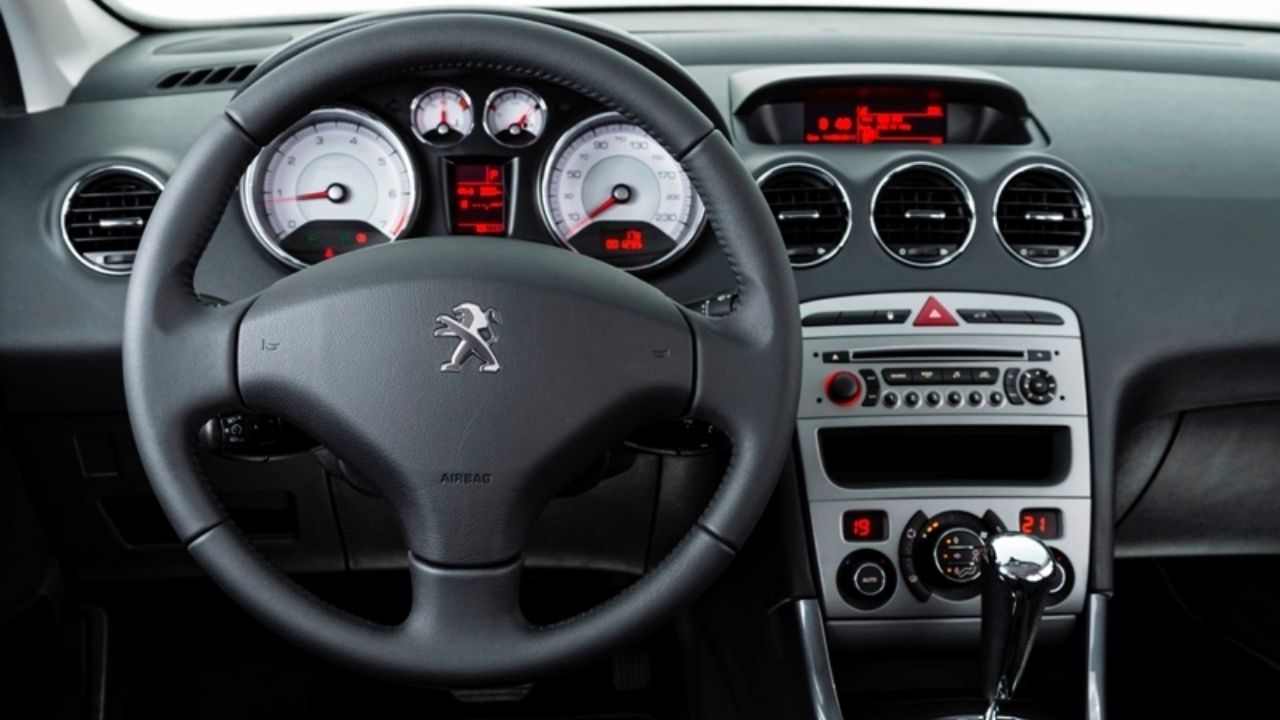
Peugeot 408 Griffe 2015 combines a turbo engine, 0 to 100 km/h in 8.3 seconds, a 526-liter trunk larger than many compact SUVs, leather, multimedia, cruise control, and a sunroof, but it remains off the radar among fully equipped used cars.

-
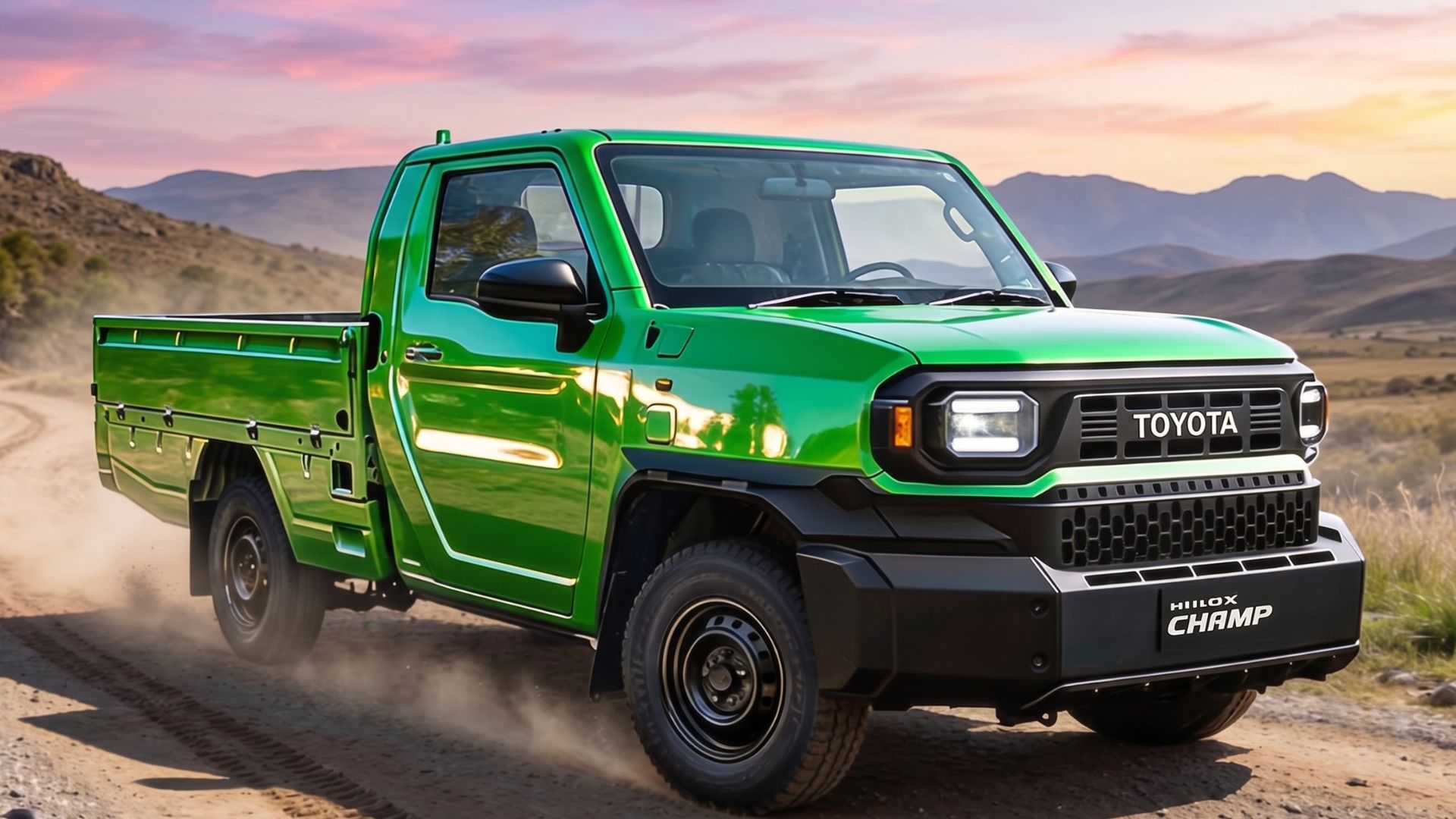
Toyota Hilux Champ emerges as the “mini-work Hilux” that Brazil doesn’t have: for around R$ 81,7 thousand in conversion without taxes, the pickup has a modular chassis, single cab, 2 seats, 2.4 diesel engine, and a popular car price to become a tool for construction, cargo, and small business in Thailand.

-
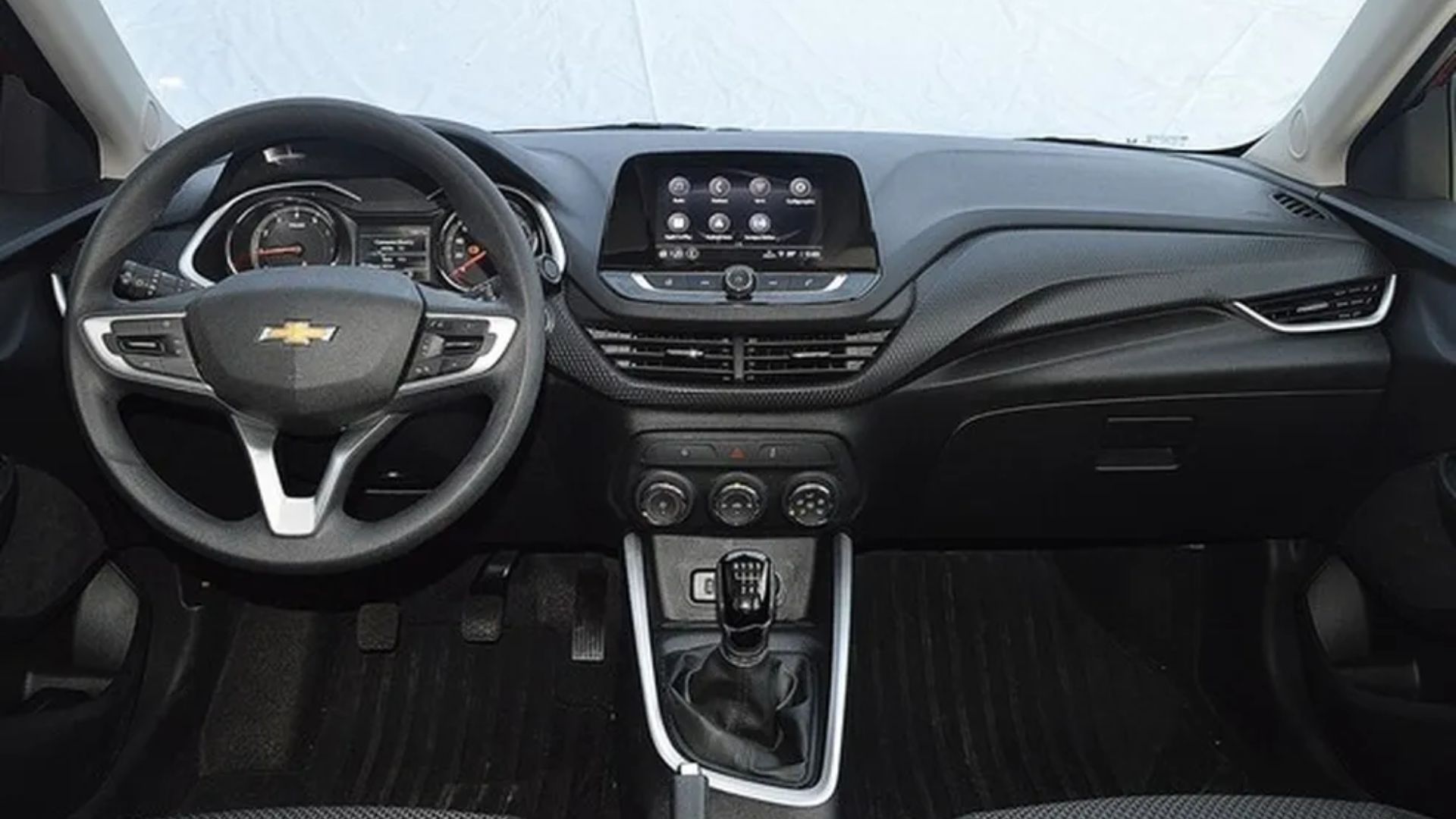
Chevrolet Onix leads the efficiency ranking among flex-fuel cars by Inmetro, achieves almost 18 km/l, and costs less than R$ 100,000.
-
Non-alcoholic beer is not always 0.0%: the drink can appear on the breathalyzer, result in a fine of R$ 2,934.70, suspend the driver’s license for 12 months, and even lead the vehicle to be impounded.


The acceleration from 0 to 100 km/h in 10.3 seconds does not place the Territory among sports-oriented SUVs, but assures sufficient responses for overtaking, entering fast lanes, and urban travel, without a sense of slowness or excessive effort from the set.
Mechanical Set Prioritizes Smoothness in Daily Use
The engine’s focus is on progressiveness and smoothness. Torque delivery occurs in a linear manner, favoring calm driving, especially in heavy urban traffic. The proposal aligns with the profile of consumers who prioritize comfort, predictability, and silence.
The start-stop system works to reduce average consumption and operates almost imperceptibly. The engine shuts off during quick stops without jarring, while the restart is quick and smooth, without noticeable delays for the driver.
This characteristic contributes to a more relaxed driving experience in traffic, reinforcing the positioning of the Territory as an SUV aimed at everyday and family use, without sporting pretensions, but also without compromising usability in different urban scenarios.
Acoustic Insulation Reinforces Sense of Controlled Performance
Acoustic insulation is one of the key points contributing to the positive perception of performance. Even with the engine running continuously, the noise level inside the cabin remains low, highlighting Ford’s attention to sealing and sound absorption.
When opening the windows for short periods, the sound difference is clearly noticeable, evidencing the insulation work. This factor directly influences how the driver perceives the engine, conveying a sense of mechanical refinement mechanical.
The suspension, tuned for greater firmness, also contributes to the stability of the set. The car conveys safety in curves and quick directional changes, without excessively compromising comfort, reinforcing the balance between functional performance and comfortable driving.
Embedded Technology Complements the Driving Experience
The engine performance is accompanied by a robust technological package. The Territory 2026 features adaptive cruise control with Stop & Go system, front and rear collision alerts, autonomous emergency braking, and a 360º camera.
These features assist the driver mainly in urban situations, where the engine’s performance needs to be integrated with safety and assistance systems. The result is a more controlled, predictable, and safe driving experience in different usage contexts.
The cabin features a digital dashboard and integrated multimedia center, both with 12.3” screens. The new graphics and software have been adjusted to the preferences of Brazilian consumers, with quick responses and intuitive navigation.
Connectivity and Comfort Expand the Urban Focus
Besides the mechanical part, the Territory offers wireless connection with Android Auto and Apple CarPlay, a new audio system with 3D effect, wireless charging, three USB-C ports, one USB-A, and a 12V socket.
The seats with heating, ventilation, and electrical adjustments reinforce the comfort proposal, a characteristic that takes precedence over the pursuit of sporty performance. The flat floor expands space in the second row, facilitating trips with adult passengers.
This set transforms the engine’s performance into just one part of the experience. The driving benefits from the integration of mechanics, technology, and comfort, creating an SUV suitable for those who spend long periods in urban traffic.
Consumption and Autonomy Appear as Limits of the Set
The main counterpoint to the performance is consumption. In urban use, the recorded average was 6.7 km/l with gasoline, a value that directly impacts autonomy, especially considering the 60-liter tank.
With about 260 kilometers traveled in urban routes, the panel still indicated 64 km of remaining autonomy, evidencing that the engine and the weight of the set require more frequent stops at gas stations for those who drive more.
Even so, the performance of the 1.5 turbo EcoBoost engine fulfills the proposed role. It delivers sufficient responses, quiet operation, and adequate integration with comfort and technology, defining the Territory 2026 as an urban SUV focused on the onboard experience rather than sportiness.








-

1 person reacted to this.