Portuguese
  Spanish


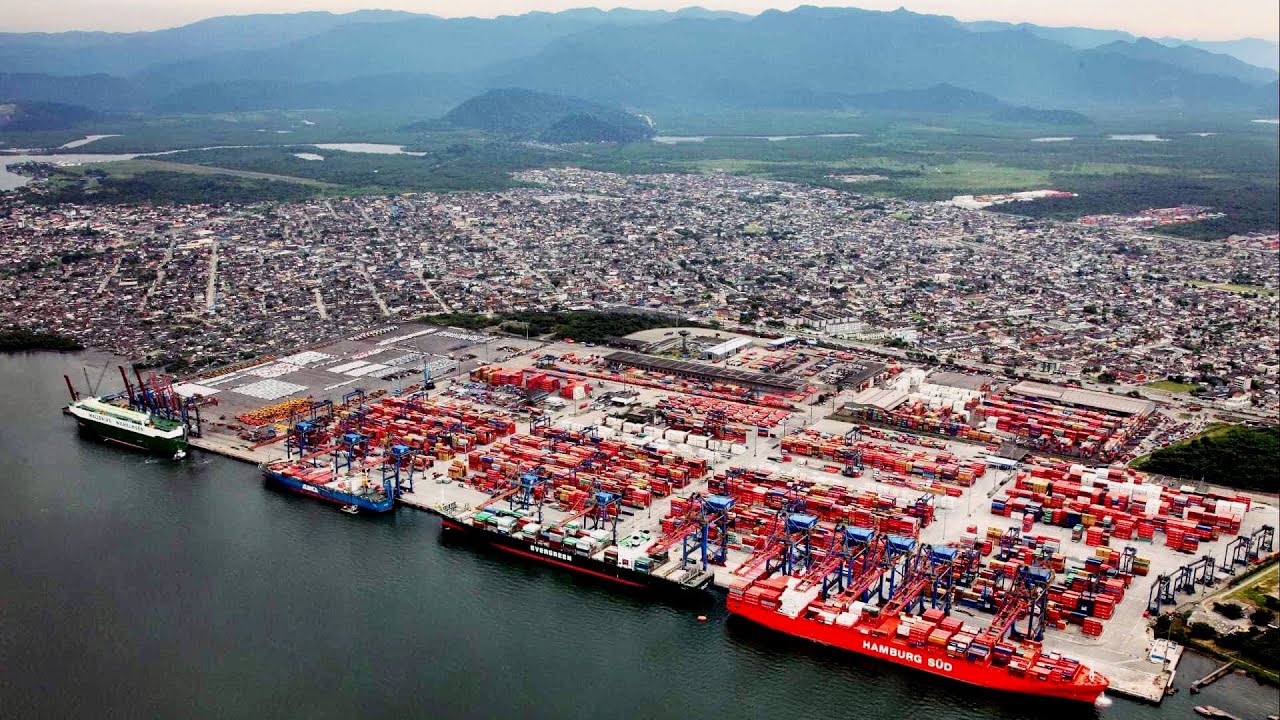

The First Quarter of 2023 Was Marked by an Increase in Port Traffic in Brazil, According to Data Released by the National Agency of Aquatic Transports (Antaq), Linked to the Ministry of Ports and Airports (MPor).
The growth recorded compared to the same period last year was 1.64%, totaling around 279.5 million tons of cargo handled.
According to the Antaq Aquatic Statistical Panel, the composition of the transported cargo is divided into various categories. Among them, iron ore stands out, accounting for about one-third of the total, with 75.8 million tons transported. In addition, corn, soybean meal, crude oil, and petroleum derivatives were also transported, as well as containers and other general cargo.
The Minister of Ports and Airports, Márcio França, celebrated the positive result and emphasized the importance of new investments from the Federal Government to accelerate the development of the sector. “Brazil is back! Growth is back! It is important to highlight that there are plans to modernize and expand the port infrastructure, aiming to increase cargo handling capacity and reduce logistics costs, generate jobs, and boost the economy,” he stated.
-
Brazilian Startup Turns Coffee Grounds into Plant-Based Leather, Cutting Water Use by Over 50 Times for High-Impact Sustainable Fashion

-
Eco Invest Auction Aims to Unlock $10 Billion in Investments, Focusing on Green Fertilizers, Critical Minerals, Batteries, and AI for Clean Industry in Brazil

-
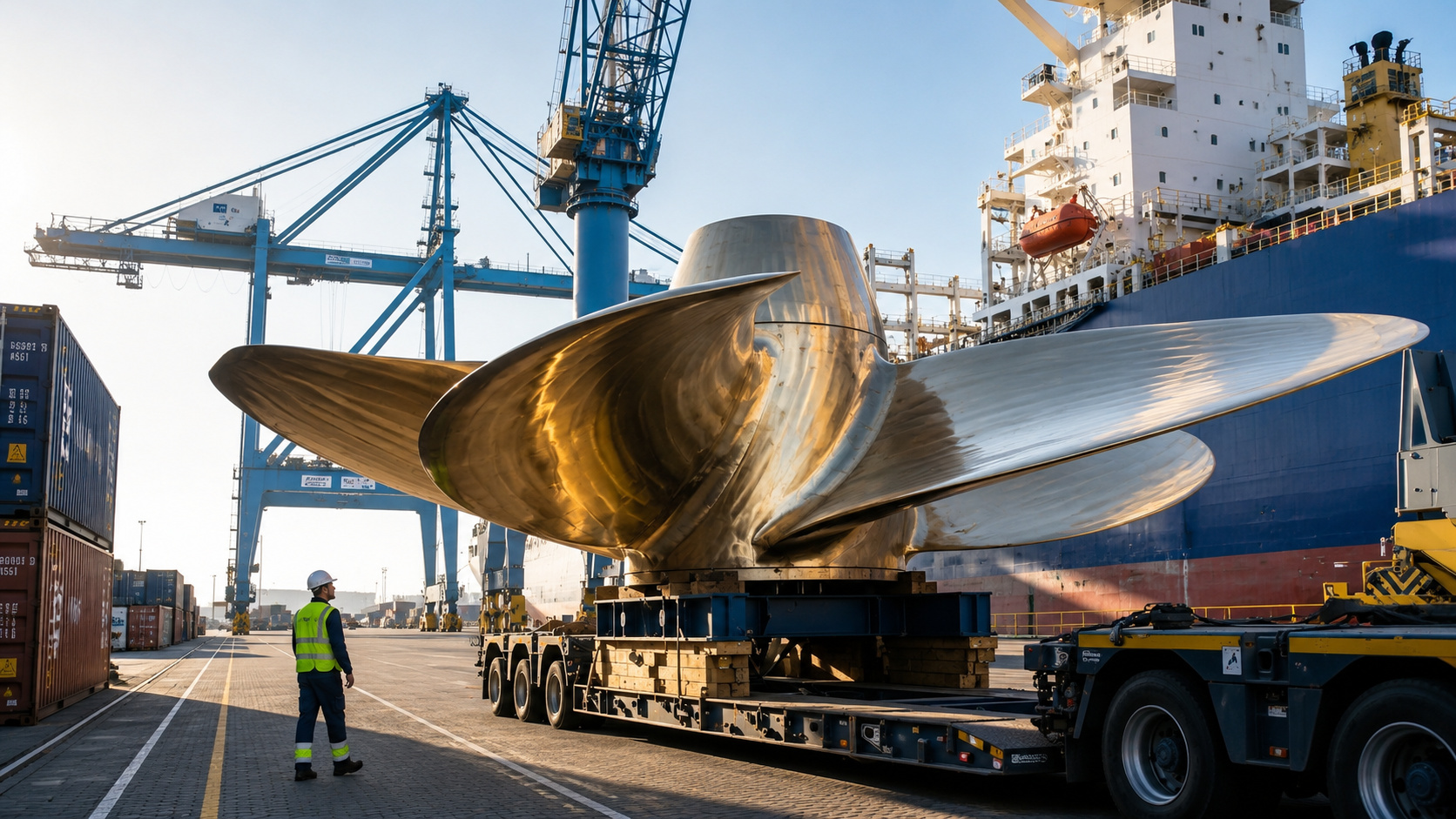
131-Ton Naval Propeller, Costing Up to $4 Million and Taking 4 Months to Manufacture, Powers the World’s Largest Cargo Ships Almost Invisibly
-
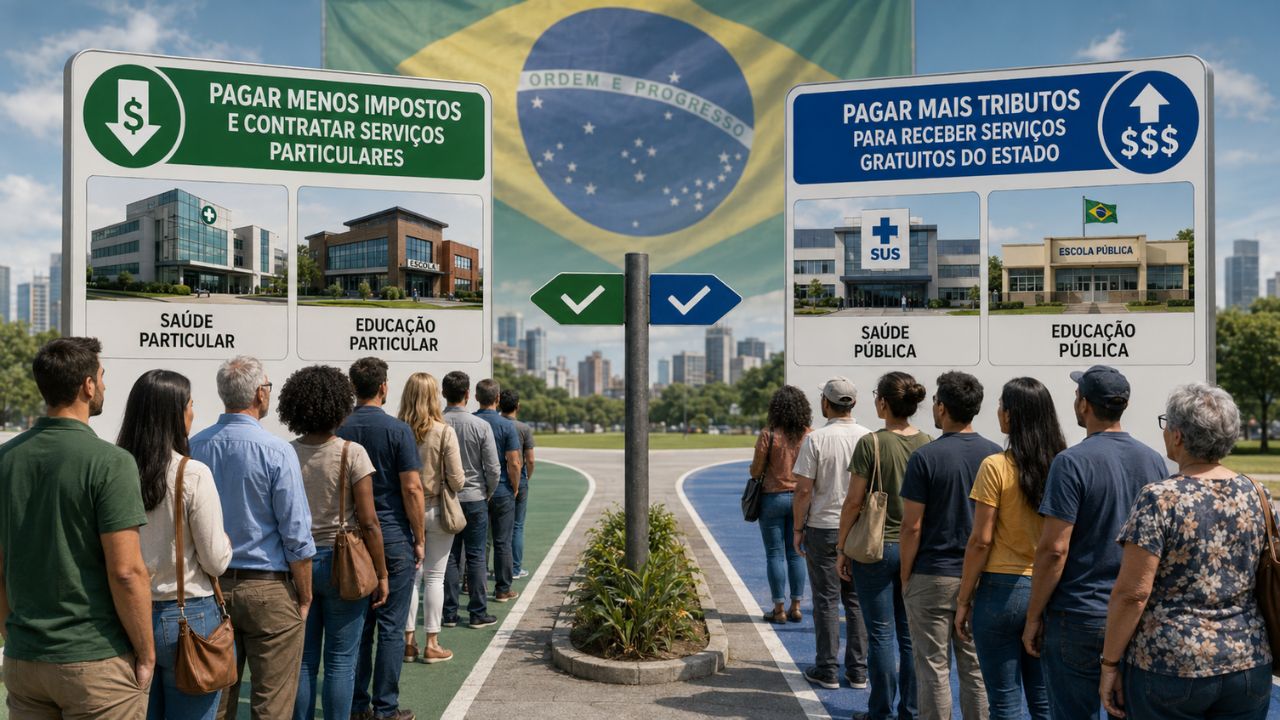
Half of Brazilians Prefer Lower Taxes with Private Health and Education, While 44% Opt for Higher Taxes for State-Provided Services, Datafolha Survey Reveals


Márcio França Reinforced the Need to Maintain Transparency and Efficiency in the Management of Brazilian Ports, Ensuring That Public Port Authorities Are Maintained and That the Profits from Operations Are Invested in Improvements for the Sector.
Port traffic is an important economic indicator, as it is directly related to the export and import of products. For Minister Márcio França, it is essential to maintain a growth pace in the sector to drive the Brazilian economy.
The plans for modernization and expansion of port infrastructure involve the construction of new port terminals, increased cargo storage capacity, and investments in technology and port automation systems.
In addition, the expectation is that the port sector will be increasingly integrated with other modes of transport, such as railroads and highways, in order to expedite cargo transport and reduce logistics costs.
Brazil has an extensive maritime coast and a great potential for the development of the port sector. Therefore, investments in the sector are essential to ensure the country’s economic growth, as well as job creation and reduction of logistics costs, factors that have a direct impact on the competitiveness of the national industry.
With the favorable economic scenario and the planned investments for the sector, the expectation is that port traffic will continue to grow in the coming years, boosting the Brazilian economy and generating new business opportunities.