Portuguese
  Spanish


Understand How the Change in Oil Prices Concerns Petrobras and Impacts Strategic Projects and Royalties in Brazil.
The change in oil prices has generated debates and concerns in the Brazilian energy sector.
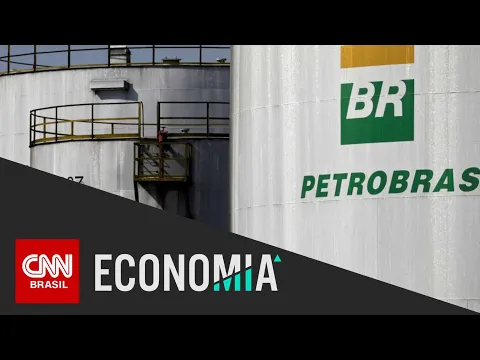
Recently, the CEO of Petrobras, Magda Chambriard, stated that the alteration in the criteria used to set the reference price of oil could directly affect the economic viability of strategic projects, especially in post-salt fields and onshore operations.
Thus, this situation highlights the historical importance of oil for Brazil and the impacts of regulatory adjustments in this vital sector.
-
OPEC+ Boosts Oil Supply by 188,000 Barrels per Day in July 2026, Leading to Price Drop from $112 to $89 per Barrel in Under Two Months

-
TotalEnergies Signs 20-Year Deal to Purchase 2 Million Tons of LNG from Alaska, Boosting Project Viability
-
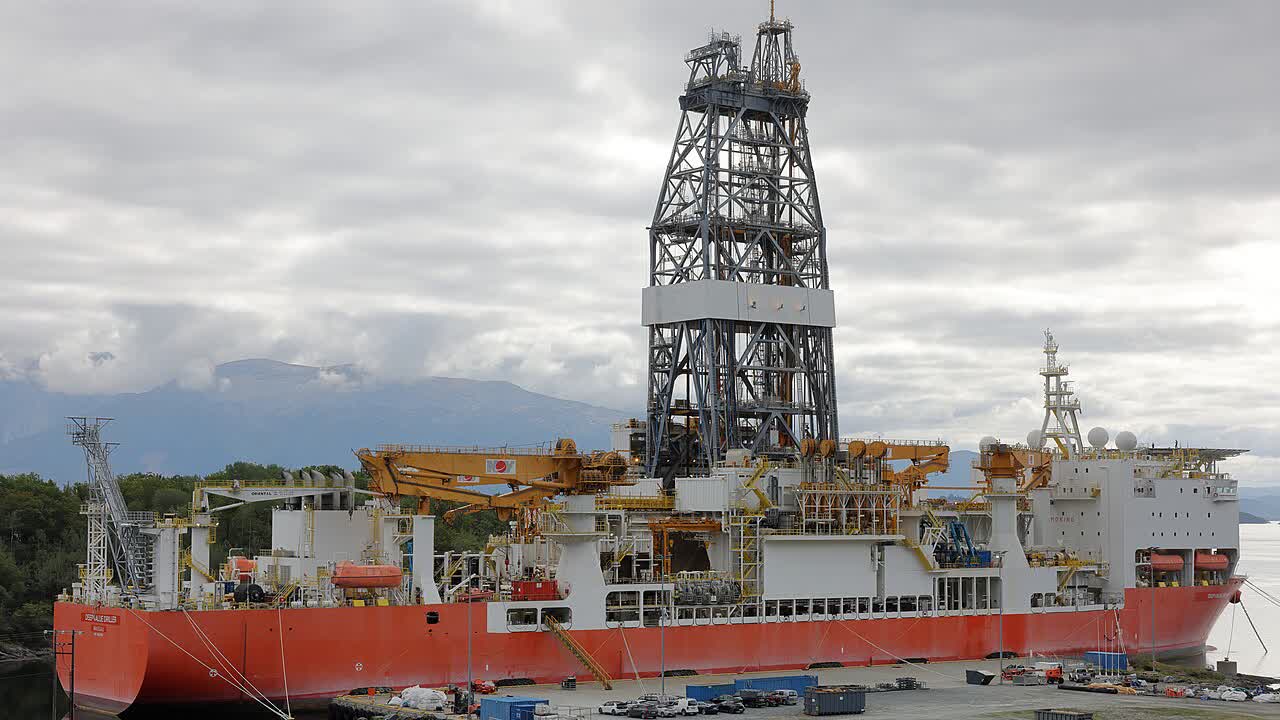
Turkey Deploys Çağrı Bey Drilling Ship to Explore New Oil Frontier Off Somalia’s Coast
-
Golden Pass LNG Ships First Liquefied Gas Cargo from the U.S., Completing $10 Billion QatarEnergy and ExxonMobil Investment


Brazil has a trajectory marked by the development of its oil industry.
Since the creation of Petrobras in 1953, the country has sought to ensure energy autonomy and strengthen its economy through the exploration of its own reserves.
In this regard, the pre-salt, discovered in 2006, represented a milestone in the history of oil exploration, bringing the prospect of large volumes of production with high concentrations of light oil, considered of high commercial value.
On the other hand, post-salt fields have distinct characteristics, with oil of lower value compared to pre-salt. This makes the economic management of these projects more sensitive to changes in reference prices.
Furthermore, the ANP decided to update the calculation criteria for royalties and taxes, highlighting the recent change in oil prices.
Historically, the reference price serves to define how much the public coffers will receive, including special participations, royalties, and taxes on production.
Therefore, any adjustment to this value directly impacts the revenue of companies and the local economies of producing regions.
Economic and Strategic Impacts for Petrobras
According to Petrobras’ CEO, the alteration in criteria represents a challenge because it may increase the amounts to be paid and reduce the profitability of projects.
Moreover, in a scenario of global reduction in oil prices, the company faces difficulties in maintaining certain operations economically viable.
Consequently, financial viability ensures that Petrobras continues investing in technology, exploration, and production, balancing growth and sustainability.
Indeed, fluctuations in oil prices have previously impacted the global energy industry.
For example, crises such as the oil shock in the 1970s and price variations in the early 2000s demonstrated how abrupt changes in prices can generate significant economic effects.
Therefore, for Brazil, these changes are even more critical due to the concentration of production in specific areas, such as the Campos Basin and the pre-salt off the southeast coast, regions that require high investments for exploration and production.
In addition, the change in oil prices directly interferes with Petrobras’ strategic planning.
The company seeks to revitalize production in the Campos Basin fields and expand its operations onshore; however, regulatory decisions that increase costs can delay or jeopardize these projects.
Consequently, the importance of this production is twofold: it not only keeps the company competitive in the global market but also ensures the country’s energy security and job creation.
Another point that deserves attention is Petrobras’ ability to plan long-term investments.
Exploration projects in post-salt and pre-salt require financing contracts and strategic planning spanning years.
Therefore, changes in pricing criteria can generate uncertainties, affecting investor confidence and the company’s ability to expand its production sustainably.
The Relevance of LPG and Royalties
Additionally, the change in the reference price directly impacts liquefied petroleum gas (LPG), commonly known as cooking gas.
The commercialization of this product represents a source of high profit margins for Petrobras; therefore, adjustments in price can directly affect this operation.
Historically, LPG plays a strategic role in Brazil, being essential for the population and a relevant component of the company’s revenue.
Consequently, ensuring profitability in this area maintains Petrobras’ financial sustainability.
The change in oil prices affects more than just the energy sector.
The collection of royalties and taxes influences public investments in infrastructure, health, and education in producing regions.
Since the 1990s, when the royalty distribution model took shape, the goal has always been to balance the wealth generated by the exploration of natural resources with local development.
Thus, any adjustment in the calculation of the reference price reverberates in the lives of millions of Brazilians who depend on these resources.
Furthermore, proper royalty management prevents regional inequalities and ensures that natural resources benefit both the economy and social well-being.
In this way, sudden changes in oil prices can create unexpected impacts on the distribution of these resources, directly affecting public policies and social investments in producing areas.
Global Context and Competitiveness
Moreover, the debate over the reference price of oil involves the international scenario.
Brazil needs to compete with producing countries such as the United States, Russia, and Saudi Arabia, which apply different pricing and taxation policies.
Therefore, Petrobras’ competitiveness depends on its ability to manage its projects efficiently, adapting to regulatory changes and fluctuations in the international market.
Thus, adjustments that increase costs can reduce the attractiveness of investments and affect the sector’s economic performance.
Since 2022, the ANP has been studying changes to align calculations with market conditions and the reality of domestic production.
In June of this year, the Minister of Mines and Energy, Alexandre Silveira, stated that the change could generate an increase of R$ 1 billion in the federal coffers as early as 2025.
This amount demonstrates the direct impact of the decision on public revenue; however, it also highlights the need to balance revenue with the economic sustainability of companies.
Future Challenges
Therefore, for Petrobras, balancing costs and investments remains a constant challenge.
The company needs to ensure that production remains economically viable, even in the face of regulatory changes.
CEO Magda Chambriard emphasizes that there is still a lot of oil to be explored, but each project needs to generate sufficient financial return to justify investments.
In this way, this strategic vision keeps Petrobras as a global reference and contributes to Brazil’s economic and energy development.
In summary, the change in oil prices represents a critical point for Petrobras and the Brazilian energy sector.
From the early years of exploration to the development of the pre-salt, the management of oil prices has always determined economic viability, international competitiveness, and public revenue collection.
Thus, recent adjustments to the criteria for calculating the reference price demonstrate the complexity of the sector, the importance of clear regulatory policies, and the need for strategic planning to face market challenges.
The current scenario shows that decisions regarding reference prices impact not only companies but also all of society, from public investments to the daily lives of people who depend on petroleum-derived products.
Therefore, understanding the dimension of this change in oil prices is fundamental to assessing the risks and opportunities it brings, both for Petrobras and for Brazil as a whole.
Finally, the history of oil in the country, marked by discoveries, investments, and market crises, shows that each regulatory decision requires careful analysis.
Ensuring the economic viability of projects, protecting international competitiveness, and maintaining balance with public revenue are ongoing challenges.