Portuguese
  Spanish


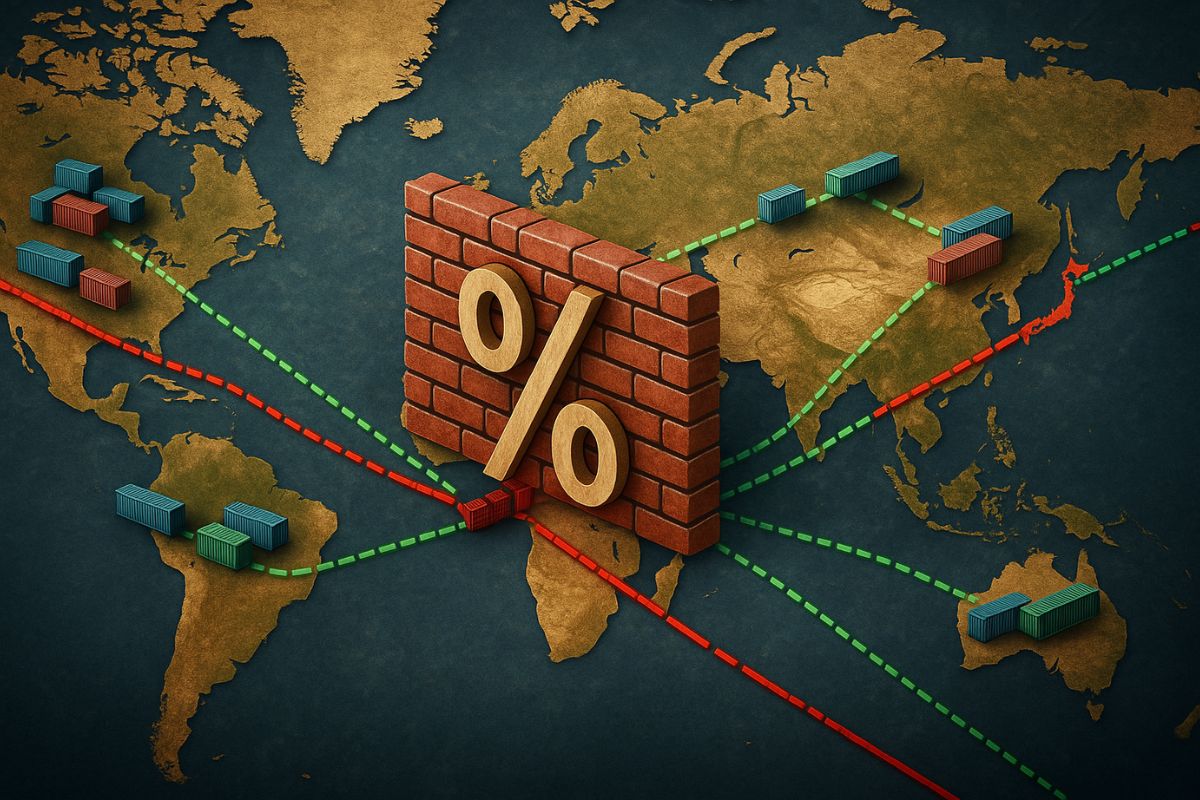


Headlines Talk About Geopolitics, But On The Factory Floor And In The Ports, The Reality Is Different: A Race Against Time To Redraw Routes, Find New Suppliers And Reconfigure Production. Understand The Engineering Behind The Reaction To A Trade War.
Political headlines are on the rise with threats of new tariffs on products from countries like Brazil and China. But beyond the rhetoric, what happens the next day inside a large electronics factory or in the planning of an automotive giant? The answer is a frantic race against time that reveals the invisible backbone of the global economy.
When politics tightens a screw, it’s the engineering and logistics that need to take apart and reassemble the entire engine. This is the untold part of the impact of tariffs on the industry: a battle of spreadsheets, maps, and production lines to find ways around barriers that can cost billions and change the “country of origin” for your car’s parts overnight.
What Is A Tariff? A Simple Explanation Of The Economic ‘Weapon’
First of all, it’s necessary to demystify the concept. Simply put, a tariff is an import tax. If an electronic component costs R$ 100 to be produced in China and imported to Brazil, a new tariff of 25% raises its cost to R$ 125 at the door of the Brazilian factory.
-
European Parliament Approves Digital Euro, Aiming to Challenge Visa and Mastercard’s Dominance and Transform Payments Across Europe by 2029

-
Israel finds Hezbollah militarized tunnel over 200 meters long under village, with 4 missile launch shafts, 12 chambers, anti-tank missiles, drones, and weapons depots at a depth of 25 meters.

-
Ukraine launches largest drone attack on Moscow since 2022, Russia claims to have intercepted nearly 200 aircraft near the capital, Kapotnya refinery targeted again, and offensive reignites alert about war reaching the Russian energy heart just a few kilometers from the Kremlin.

-
Truck drivers, freight, and fines from 2022 take center stage in politics: Chamber approves MP with amnesty, mandatory tracking by CIOT, million-dollar penalties, and new minimum wage for those who spend more than 24 hours on the road.


This “weapon” of economics makes the product from the target country more expensive and less competitive, forcing companies to seek alternatives. This is where the real domino effect begins.
Redrawing The Supply Chain Map
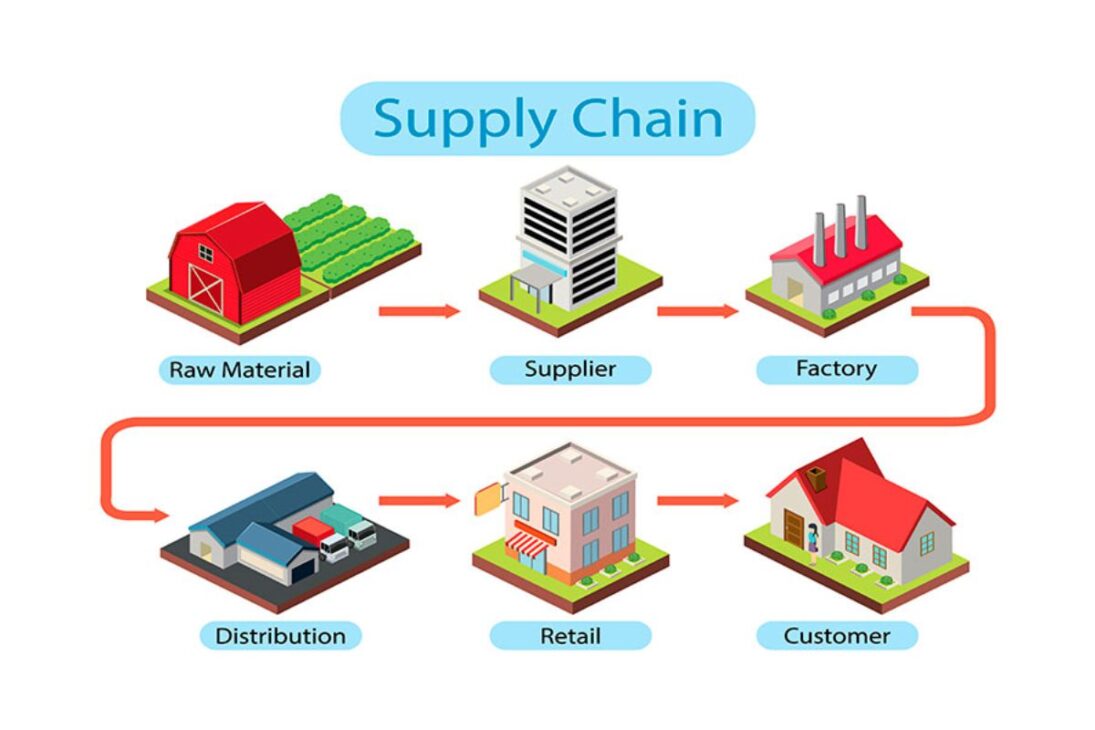
The majority of complex products we use today are “global citizens.” Your cellphone screen may come from South Korea, the chip from Taiwan, the battery from China, and the final assembly may take place in Brazil. This network is the global supply chain (or supply chain). It is planned for years to be as efficient and cheap as possible.
A new tariff blows up that planning. Immediately, the company’s logistics and supply directors ask themselves the billion-dollar question: “Where else in the world can we manufacture this part with the same quality, at the same scale, and without the new tariff?”
The frantic search begins. Countries that are not targeted by the tariff, such as Vietnam, Mexico, Malaysia, or India, come into focus. Logistics, which was once a science of route optimization, turns into a geopolitical chess game.
The Battle In The Ports: The Challenge Of Re-Routing Containers And Renegotiating Freights
The decision to change suppliers has a physical and immediate impact on the trade and logistics war. Companies need to:
- Cancel Or Renegotiate Contracts With Shipping Carriers.
- Map New Routes From The New Supplier Countries.
- Evaluate The Infrastructure of Ports In These New Locations: Are They Efficient? Is There A Risk of Strikes? Is Customs Clearance Fast?
A container that used to take 25 days on an established route may take 40 on a new route, impacting the entire production timeline.
“Made In…?” The Engineering To Reconfigure A Production Line
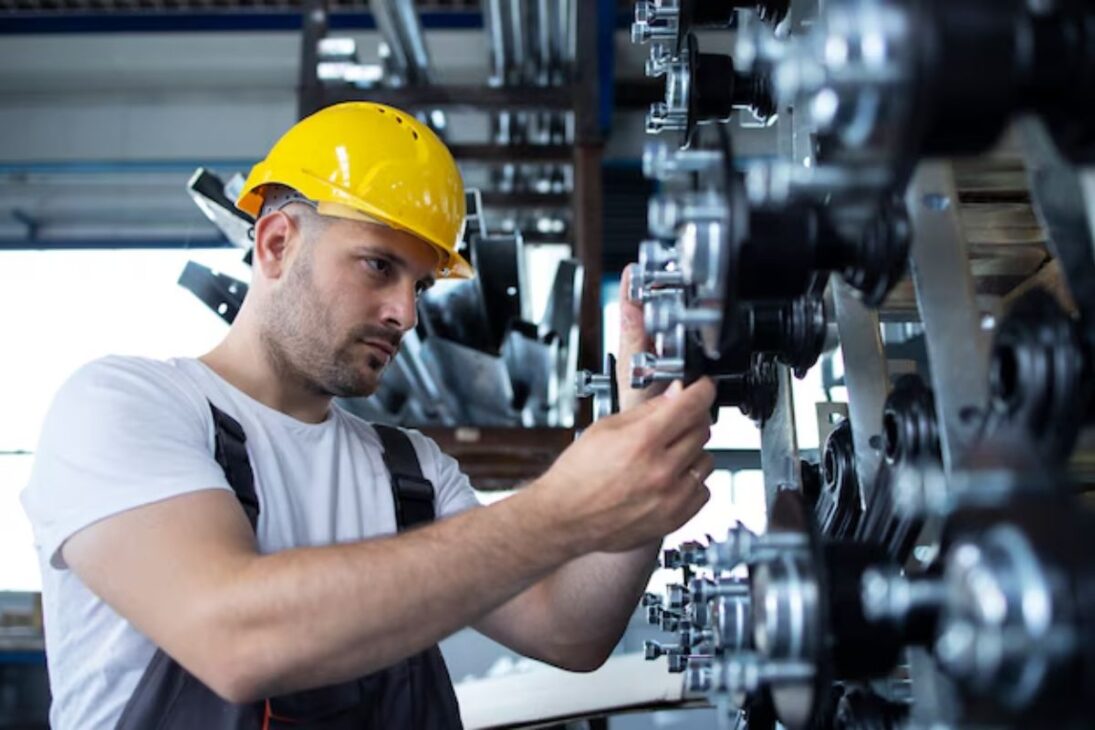
This might be the most complex and expensive part. Changing the supplier of a crucial part is not like switching brands at the supermarket. The company’s engineering must:
Validate The New Supplier: This involves months of rigorous testing to ensure that the new part has exactly the same quality, dimensions, and specifications as the old one.
Certify The New Part: Many industries, such as automotive, require safety and quality certifications, which are time-consuming and costly.
Adapt The Assembly Line: Sometimes, a small variation in the new component requires reconfiguration of robots, tools, and processes in the factory.
Building the resilience of the supply chain – the ability to quickly adapt to these crises – has become one of the biggest challenges and competitive advantages for modern industry. The next time you hear a news story about tariffs, remember: for every sentence spoken by a politician, there is a team of engineers and logistics professionals on the other side of the world frantically redrawing the map of global industry.
Did you imagine that a political decision would have such a complex and immediate impact on the engineering and logistics of companies? In your opinion, is globalization as we know it threatened by these new tensions?