






 Portuguese
  Spanish
 3 min of reading


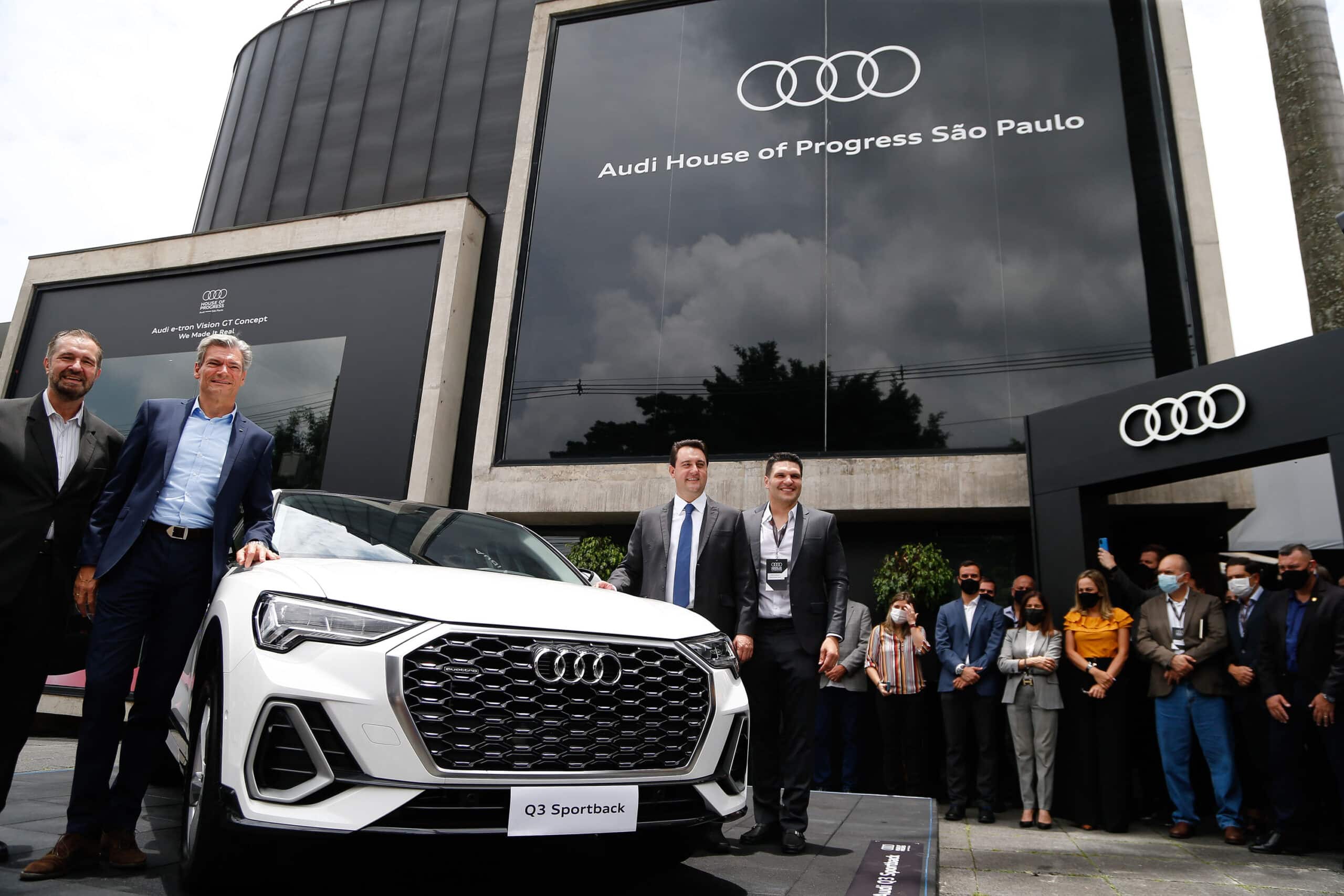
The Multinational Audi Announced Investments of R$ 100 Million Yesterday Afternoon (29) to Resume Vehicle Production at Its Factory in Paraná. The Estimate Is That New Jobs and Income Will Be Generated in the São José dos Pinhais Region
On this Wednesday (29), Audi announced that it will invest R$ 100 million to resume vehicle production at the factory in São José dos Pinhais, located in Paraná. The resumption of the multinational’s operations in Brazil comes after more than a year of suspension caused by various reasons.
Audi’s Factory in Paraná Will Be Modernized for Last-Generation Vehicle Production
Audi stated that the investment will be used to modernize the assembly line, including the acquisition of new machines, innovative information technology systems, new quality control equipment, and logistical infrastructure.
The announcement of the reopening of Audi’s factory in Paraná included the presence of Audi Brazil’s CEO, Daniel Rojas, and also the current governor of Paraná, Ratinho Junior. The models chosen for production upon the factory’s reopening in Paraná are the new Audi Q3 and Audi Q3 Sportback, both with a 2.0-liter engine producing 231 horsepower.
-
Hilux owners are having headaches, and Toyota is betting on a R$ 2,500 solution with a detail of just 5 mm that promises to reduce vibrations to 1/10 and change the pickup’s behavior on the road.

-
Driver’s license at 16, driving limit after midnight, and autonomous cars in Brazil: a bill that changes the Traffic Code advances in the Chamber and could transform the routine of young people, drivers, and new technologies on the streets

-
He bought a Toyota for R$ 14,000 in 1990, did all the maintenance himself for 40 years, and the car has already driven over 1.2 million kilometers without stopping, but the odometer only shows 253,000 because there is no space for the digit “1”.
-
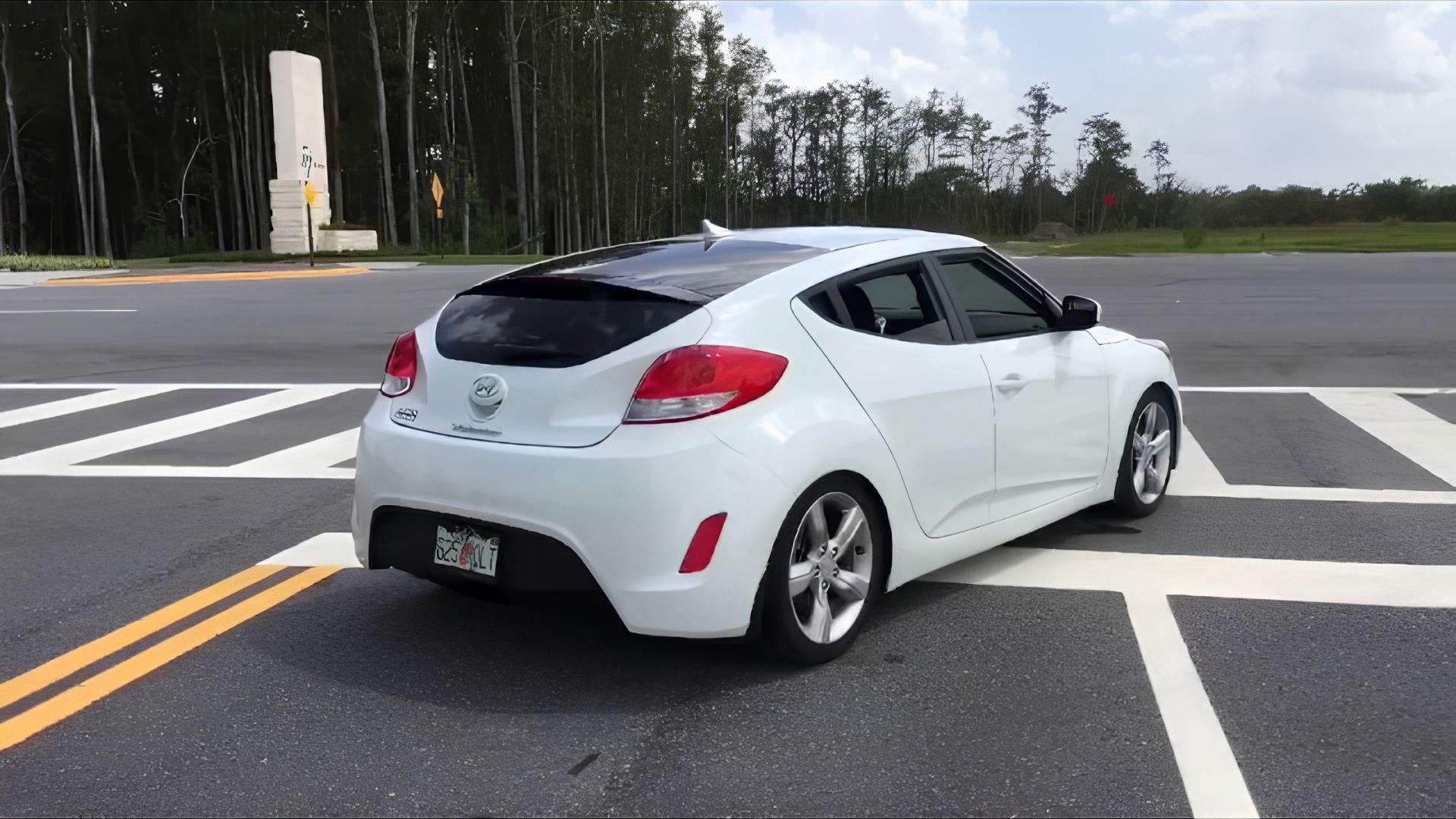
Three doors, concept look, and FIPE value of R$ 62,524: The 2013 Hyundai Veloster delivers a 1.6 engine with 140 hp, a 6-speed automatic transmission, and a design that still seems too strange to go unnoticed.


For now, the factory that will receive investments has a maximum production capacity of 4,000 vehicles per year, in two shifts. The vehicles produced will initially be aimed solely at the domestic market. According to the CEO of Audi Brazil, the automaker has a solid and lasting relationship with the country and, despite the interruption of the factory’s activities in Paraná last year, the multinational has always believed in Brazil’s recovery and expansion potential.
Thus, it is working hard to resume local production, ensuring that confidence in the country is strengthened, as well as reliability with customers, with two of its first global products.
Audi Will Use the SKD Method
According to Antonio Calcagnotto, director of institutional affairs and sustainability at the company, the multinational Audi’s factory in Paraná will have a maximum capacity of four thousand cars per year, which can be expanded based on demand.
Consequently, it will exceed the investment of R$ 100 million to begin vehicle production. The production method Audi chose for the SUVs is Semi Knock Down (SKD), an extremely efficient and technological global production alternative for low-volume models.
The parts and chassis will arrive at Porto de Paranaguá divided into sets of parts and components from the Gyor factory, located in Hungary, for assembly at the Brazilian factory. The vehicles will be considered national, given that they will be assembled here almost completely, and will also receive chassis marking and homologation in Brazil itself. According to Rojas, there is a possibility of producing other models this way at the São José dos Pinhais plant.
Audi Has Been in Brazil Since 2015
The multinational Audi maintains its expansion strategy and announced the start of its production in Brazil in 2015. The country has huge market potential, housing the only factory of the company in all of South America, in Paraná.
The production of the A3 Sedan Flex, the first to use the brand’s biofuel worldwide, also began in 2015. The model is a response to Brazil’s needs, considering that 90% of new cars licensed in the country are equipped with this technology.
This initiative and several others consolidate Audi’s confidence and commitment to the national premium automotive market. The company is engaged with Brazil’s economic development.





Be the first to react!