Portuguese
  Spanish


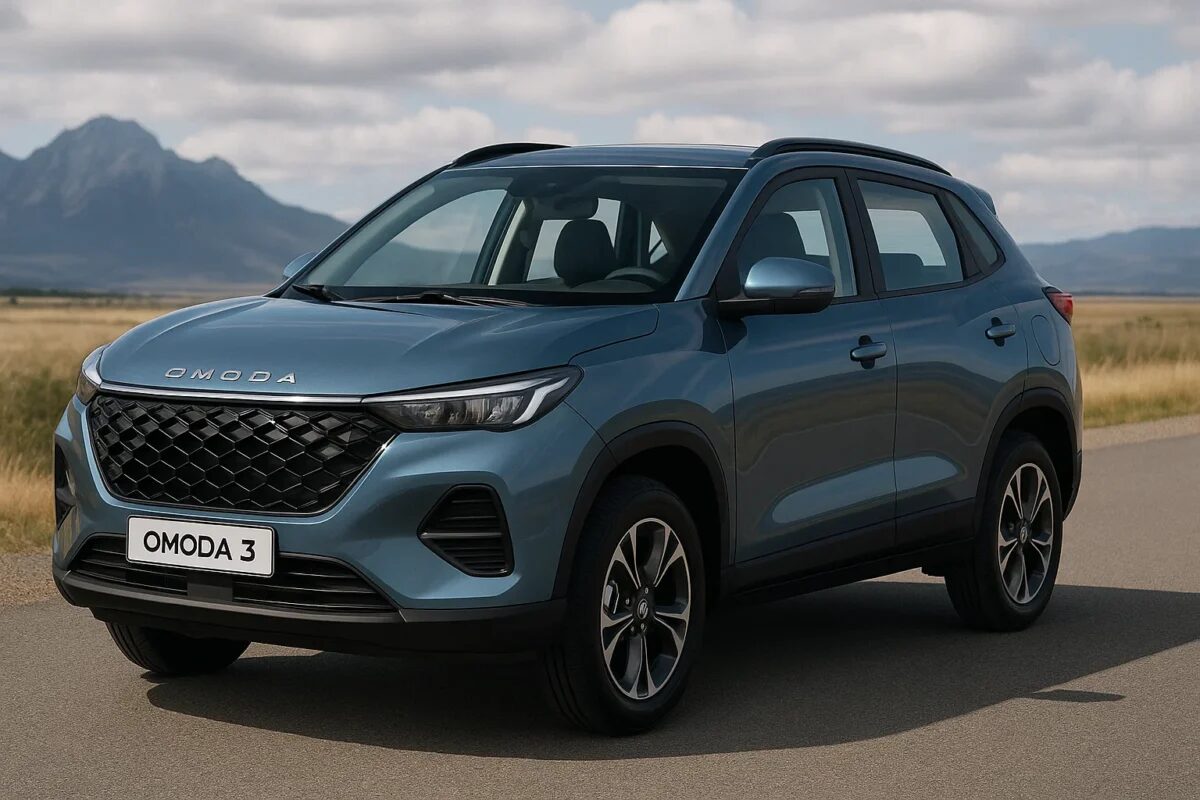

Omoda 3 Promises to Be a Turning Point in the Brazilian Hybrid SUV Market, with an Affordable Price and a Technology Set Developed Specifically for the Needs of the National Consumer, Becoming a Popular Option.
A new compact hybrid SUV is about to shake up the Brazilian electric vehicle market: the Omoda 3. With an estimated price below R$ 150,000, the model promises to be the first affordable hybrid in the category sold by a non-Japanese brand in the country.
According to information from the manufacturer itself, Chery is preparing to launch the utility vehicle with an ambitious proposal: to combine energy efficiency, technological innovation, and a more competitive cost than direct competitors.
The debut is scheduled for 2025 and is expected to mark a new phase in the global strategy of the Chinese brand, which has been betting heavily on expanding its presence in demanding emerging markets, such as Brazil and Europe.
-
Workshop Converts Giant Tractor Tire Tricycle into a Three-Wheel Drive Hybrid with 36,000-Watt Electric Motor Capable of Climbing Hills

-
Sales of Brazil’s Cheapest Electric Car Halted Before First Deliveries: E-Motors Suspends Emova Easy Due to Import Tax Increase and Rising Freight Costs

-
Nissan Discontinues Qashqai SUV Amid Cost-Cutting, Chinese Competition, and Product Line Review

-
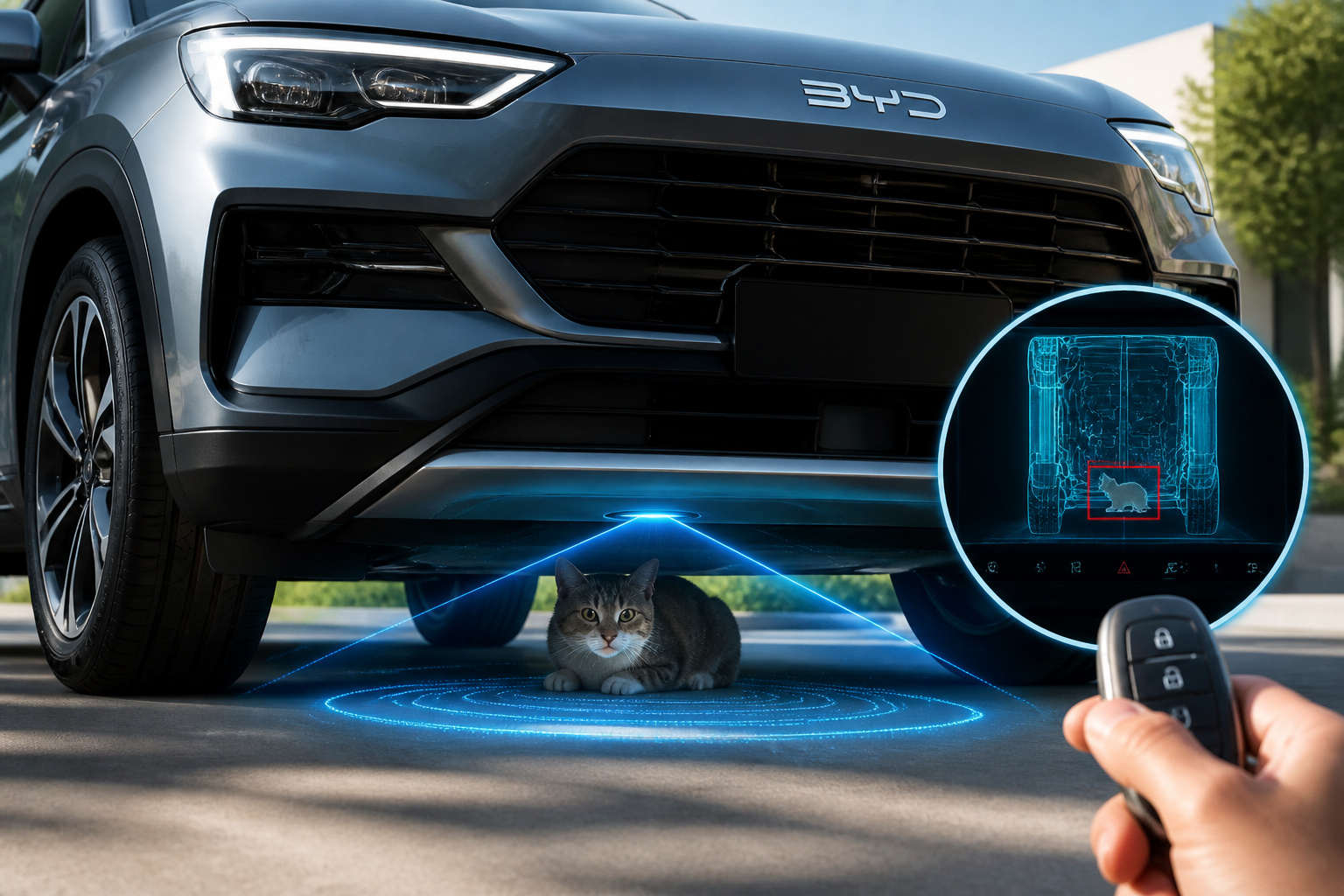
BYD Patents Revolutionary System Using Computer Vision to Detect Animals Under Cars Before Starting, Preventing Tragedies





Hybrid Engine Developed Specifically for Brazil
The major differentiator of the Omoda 3 is its unprecedented hybrid set, developed with a focus on the Brazilian audience.
The compact SUV will be equipped with a 1.0 turbo three-cylinder combustion engine, coupled with an electric motor.
Unlike other models from the Chery group available in the international market, this engine was created from scratch with the support of Chinese engineering and local technical assistance, aiming to meet the performance, consumption, and cost requirements of the national consumer.
Chery’s proposal is to utilize a hybrid system that does not require plug-in charging — the so-called conventional hybrid (HEV), where the combustion engine charges the battery, similar to how the Toyota Corolla Cross operates.
This makes it a practical option for those who still do not have easy access to charging infrastructure, a common issue in many Brazilian cities.
Toyota Yaris Cross Will Be the First Direct Competitor
Before the official arrival of the Omoda 3, Brazil will see the debut of the Toyota Yaris Cross, another compact hybrid SUV, also without plug-in charging.
It will have a 1.5 naturally aspirated engine and the reliable hybrid technology of the Japanese brand.
With this, the Yaris Cross will pave the way for this new segment that, until now, was dominated by medium and higher-priced models, such as the Corolla Cross and the BYD Song Pro.
However, the great promise of the Omoda 3 lies precisely in offering a similar technological package, but at a much more competitive price.
At a cost of less than R$ 150,000, it will be the cheapest hybrid SUV in the country, overcoming the entry barrier that still prevents many Brazilians from migrating to electrified vehicles.

Bold Bet with Brazilian DNA
Chery’s strategy with the Omoda 3 goes beyond an attractive price. The model was shaped with strong participation from Brazilian consumers, including evaluation clinics where participants commented on the design and finishing items.
Some suggestions were indeed applied to the final project, demonstrating the brand’s commitment to the national market.
With a modern look and bold lines, the SUV was designed to appeal to those seeking a car with a premium appearance but without the high cost.
The expectation is that the Omoda 3 will become the best-selling car of the new Omoda/Jaecoo division in Brazil, consolidating the brand’s presence in one of the most competitive segments of the automotive market.
Independence from CAOA and New Global Positioning
It is worth noting that the Omoda and Jaecoo brands belong to Chery, but operate independently from CAOA, which for years was responsible for the operation of the Chinese brand in Brazil.
This separation indicates a new phase of expansion and repositioning for the company, focusing on offering global products tailored for each regional market.
According to executives at the automaker, the goal is to make it clear that Omoda has not come to the country to be a supporting player. The investment in the new hybrid system and local adaptation underscores Chery’s ambition to become a leader in the accessible electrified vehicle sector.
Additionally, the national production of the model is already in the automaker’s plans, which should lower the SUV’s price even further in the medium term. Although there is no set date yet, nationalization will be crucial to consolidate the Omoda 3 as a viable alternative to combustion vehicles in the same price range.
Hybrid SUV Below R$ 150,000: Revolution Ahead?
Today, anyone looking to buy a hybrid SUV in Brazil needs to spend around R$ 200,000.
This limits access to this type of technology to a more restricted audience.
With the Omoda 3, this reality could change radically, as the model promises to deliver a complete package for about R$ 50,000 less than direct competitors.
In addition to being one of the first affordable compact hybrid SUVs, it also carries the promise of simpler maintenance and reduced consumption, two fundamental factors for the Brazilian consumer.
At a time when gasoline prices and environmental concerns are high, the Omoda 3 could be just what those looking to save without sacrificing comfort need.
Consumer Interest in Affordable Hybrids Grows in Brazil
According to data from the Brazilian Electric Vehicle Association (ABVE), sales of hybrid and electric vehicles in Brazil grew by over 90% in 2024, driven by the arrival of new models and the increase in the availability of tax incentives in some states.
The forecast is for this upward trend to continue in 2025.
With this, brands like Chery and Toyota are racing to occupy this new market space.
The launch of models like the Omoda 3 shows that the competition for consumers wanting to leave combustion vehicles has only just begun — and is expected to be fierce in the coming months.
The Omoda 3 brings together a rare combination in the current Brazilian automotive landscape: hybrid technology, modern design, efficient performance, and competitive pricing.

With a launch expected later this year, the Chery compact SUV arrives as a strong candidate to democratize access to electrified vehicles in the country.
If the promise of keeping the price below R$ 150,000 is fulfilled, the model could cause a domino effect among manufacturers and push the market towards a more accessible electrification era.
All this without depending on charging infrastructure, something that still hinders the growth of 100% electric cars in Brazil.
Do you believe that the Omoda 3 will change the game for affordable hybrids in Brazil? Leave your opinion in the comments!