






 Portuguese
  Spanish


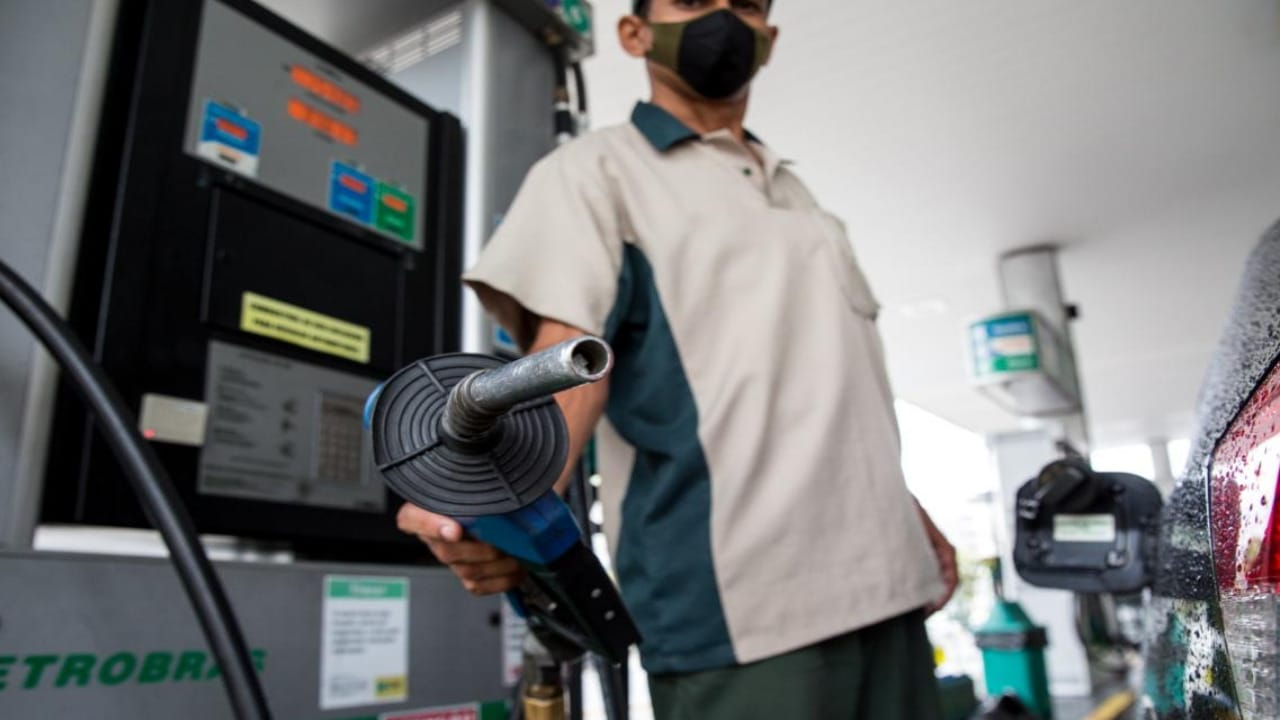

Consumers Celebrate the Drop in Gasoline and Ethanol Prices, but the Transport and Logistics Sector Mourns the Fluctuations and Increase in Diesel Prices Imposed by Petrobras
In October 2023, the fuel market in Brazil showed distinct behaviors, creating different scenarios for Brazilian drivers. On one hand, gasoline and ethanol prices experienced consecutive drops, positively affecting the wallets of consumers and app drivers; on the other hand, the price of diesel saw noticeable increases and fluctuations throughout the month, negatively impacting the transport and logistics sector in the country.
Gasoline Price Records Four Consecutive Weeks of Decline
Gasoline, one of the most used fuels in the country, recorded a 1% drop in its average price, reaching a national average of R$ 5.946 per liter. This variation was especially noticeable in the last week of October, when there was a 0.57% reduction at gas stations, bringing the average price down to R$ 5.881 per liter.
The drop in gasoline prices can be considered good news for consumers, alleviating some of the impact on family budgets. However, to better understand the fuel scenario in October, it is essential to also analyze the variations in ethanol and diesel prices.
-
Brazilian Startup Turns Coffee Grounds into Plant-Based Leather, Cutting Water Use by Over 50 Times for High-Impact Sustainable Fashion

-
Eco Invest Auction Aims to Unlock $10 Billion in Investments, Focusing on Green Fertilizers, Critical Minerals, Batteries, and AI for Clean Industry in Brazil

-
Half of Brazilians Prefer Lower Taxes with Private Health and Education, While 44% Opt for Higher Taxes for State-Provided Services, Datafolha Survey Reveals

-
Brazil’s Most Expensive Toll Rises to R$ 40.60 on Route from São Paulo to the Coast, Nearly Matching Bus Fare to Santos




Ethanol: 0.97% Drop and Financial Advantages
Ethanol, known as a more accessible fuel commonly used in flex-fuel vehicles, experienced an even more significant reduction of 0.97% in its average price in October, reaching R$ 3.776 per liter. In the last week of the month, there was a 0.48% drop at gas stations, bringing the average price to R$ 3.698 per liter.
This reduction in ethanol prices is the result of various factors, including increased sugarcane production, the raw material for producing this renewable fuel. The Union of the Sugarcane Industry and Bioenergy (UNICA) revealed that sugarcane processing in the first half of October grew by 17.64% compared to the same period last year.
Hydrated ethanol, used directly in vehicles, recorded a significant increase in production, with a 54.12% rise compared to the same period last year. These data indicate greater availability of ethanol in the market, contributing to the price drop and making it a financially advantageous alternative in various regions of Brazil.
Regional Variations in Fuel Prices
It is important to highlight that the variations in fuel prices are not uniform across Brazil. Different states displayed distinct behaviors in October, influenced by factors such as distribution logistics, taxes, market competition, and raw material availability.
For example, the Federal District had the lowest average price for a liter of gasoline, at R$ 5.756, while Acre recorded the highest average, reaching R$ 6.697. These differences can be explained by issues such as state taxation and transport logistics.
Ethanol vs. Gasoline: Where Is It More Worthwhile?
For drivers with flex-fuel vehicles, the price fluctuations between ethanol and gasoline are crucial in determining which fuel is more advantageous. According to ValeCard, using hydrated ethanol is financially beneficial compared to gasoline when the ethanol price is equal to or less than 70% of the gasoline price.
In the week of October 27 to November 2, refueling with ethanol was advantageous in 15 federal units, including Alagoas, Bahia, Federal District, Espírito Santo, Goiás, Minas Gerais, Mato Grosso do Sul, Mato Grosso, Pará, Pernambuco, Piauí, Paraná, Rio de Janeiro, São Paulo, and Tocantins. This analysis considers price variations in each state and the individual consumption characteristics of each vehicle.
Petrobras Increased Diesel Prices by 0.22%
The diesel S-10, widely used in cargo transport and commercial fleets, saw a 0.22% price increase in October, with a national average of R$ 6.392 per liter. In the last week of the month, there was a 0.33% adjustment at fuel stations, raising the average price to R$ 6.438.
Several states reported price increases in October, with Amapá, Amazonas, and Sergipe showing the highest increases. On the other hand, Rio Grande do Sul had the lowest average diesel price, while Roraima recorded the highest.
According to ValeCard’s survey, the diesel experienced a smaller increase in October due to fuel imports. However, the future scenario is uncertain, as the adjustment in the Petrobras refineries starting October 21 has not yet been fully passed on to consumers, and external factors, such as conflicts in Russia, may continue to directly impact the price of diesel in Brazil.








