Portuguese
  Spanish


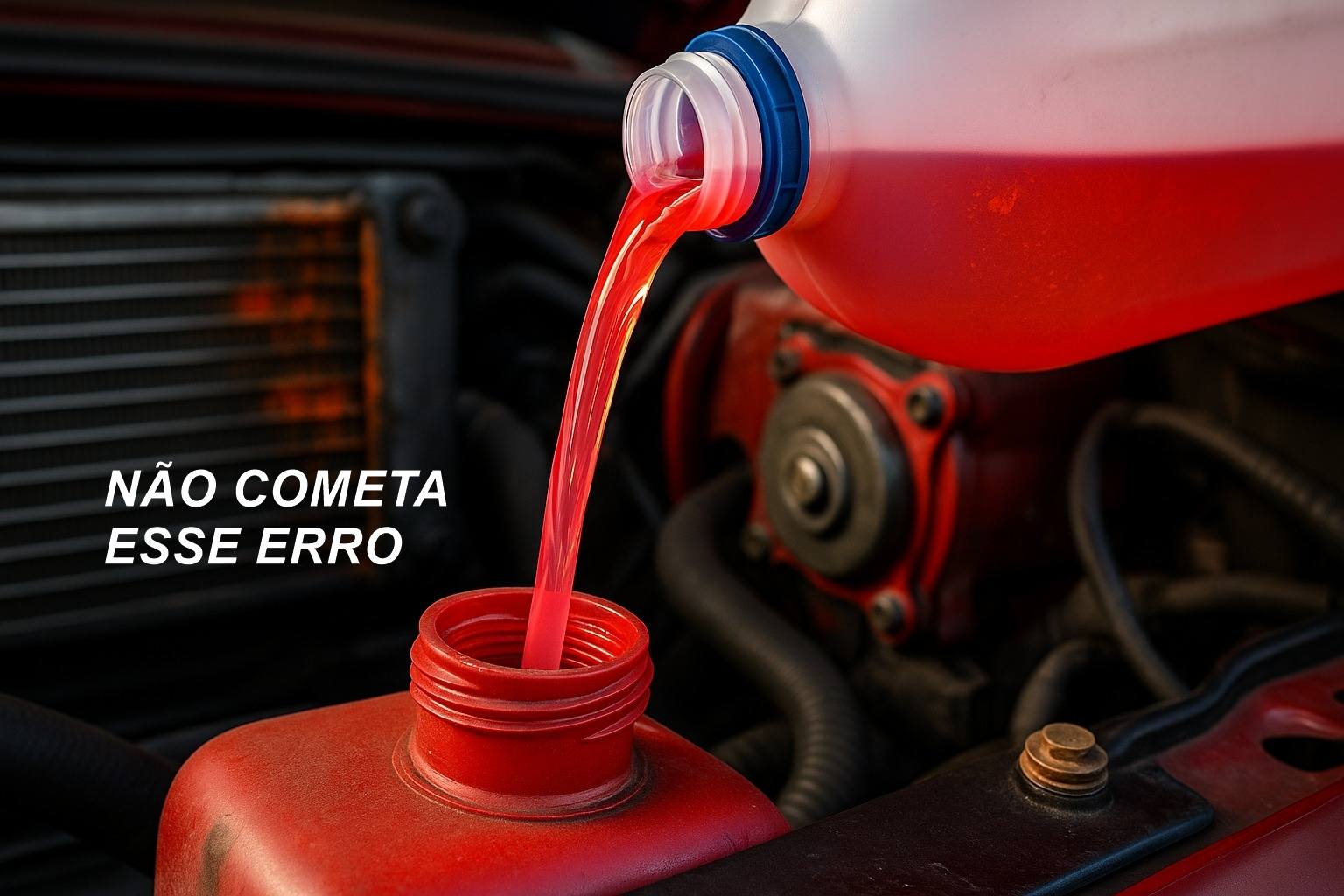


Many Drivers Believe They Are Taking Care of the Car by Using Pure Additive, but Excess Causes Corrosion, Clogs the System, and Can Even Compromise the Engine.
One of the most serious mistakes made by drivers is to put concentrated additive directly into the radiator or into the expansion tank. This practice, according to the Car Up Automotive Tips channel, can cause irreversible damage to the entire cooling system, including the radiator, water pump, thermostat, hoses, and even the engine itself.
The presenter explains that the problem occurs because the product, when concentrated, contains a high dosage of detergent and anti-scaling additives. These components are meant to clean the system, but in excess they end up producing the opposite effect, causing accelerated corrosion.
The Difference Is in the Dosage
According to the video, the difference between “medicine and poison” lies precisely in the dosage. The additive is essential for keeping the system clean and ensuring that the engine operates at the ideal temperature, but it needs to be in the correct proportion.
-
Workshop Converts Giant Tractor Tire Tricycle into a Three-Wheel Drive Hybrid with 36,000-Watt Electric Motor Capable of Climbing Hills

-
Sales of Brazil’s Cheapest Electric Car Halted Before First Deliveries: E-Motors Suspends Emova Easy Due to Import Tax Increase and Rising Freight Costs

-
Nissan Discontinues Qashqai SUV Amid Cost-Cutting, Chinese Competition, and Product Line Review

-
BYD Patents Revolutionary System Using Computer Vision to Detect Animals Under Cars Before Starting, Preventing Tragedies





To complete the cooling system, it is ideal to use the ready-to-use additive, which already comes diluted with the exact proportions of the necessary components — such as the anti-scaling, anti-foaming, and anti-freezing agents. This mixture ensures proper lubrication, prevents overheating, and guarantees the durability and fuel economy of the vehicle.
How to Properly Prepare Concentrated Additive
Anyone buying concentrated additive should dilute it before application, following the specific instructions of each manufacturer and vehicle model. The channel cites the Volkswagen line as an example, which recommends a mixture of 60% water and 40% additive.
Using the correct proportion keeps the system operating perfectly and prevents the formation of internal crusts and rust. In addition, the presenter emphasizes that it is important to consult the vehicle’s manual and choose the type of additive recommended by the manufacturer.
For those who have never used additive, the channel promises new videos explaining how to properly introduce the product in vehicles that still only use water in the cooling system.