Portuguese
  Spanish




NATO Ships To Receive Electronic Warfare Technology To Confuse Missiles And Drones, Strengthening Defense Against Modern Threats. See How The System Will Work
A new maritime electronic warfare system has been contracted by NATO countries in Europe. The goal is to protect frigates and other NATO ships with advanced technology capable of deceiving, confusing, or distracting enemy weapons and targeting systems.
The contract involves two Israeli defense companies: Rafael Advanced Defense Systems Ltd. and Elbit Systems.
These companies were selected to provide the Naval Decoy Launching System (DCLS), considered a cutting-edge solution. The new technology promises to enhance the self-protection capabilities of NATO ships in modern combat scenarios.
-
New Brazilian Frigate Equipped with Advanced Missiles and Radars to Safeguard Strategic Maritime Areas

-
New Brazilian Frigate Equipped with Advanced Missiles and Radars to Protect Strategic Maritime Areas, Including the Blue Amazon and Pre-Salt Reserves
-
China Unveils Laser Weapon Capable of Instantly Neutralizing Military Drones, Marking a Significant Advancement in Air Defense Technology
-
U.S. Navy’s Ticonderoga-class Cruiser Becomes a 9,800-Ton Missile Fortress with Advanced Aegis System Capable of Tracking Hundreds of Targets


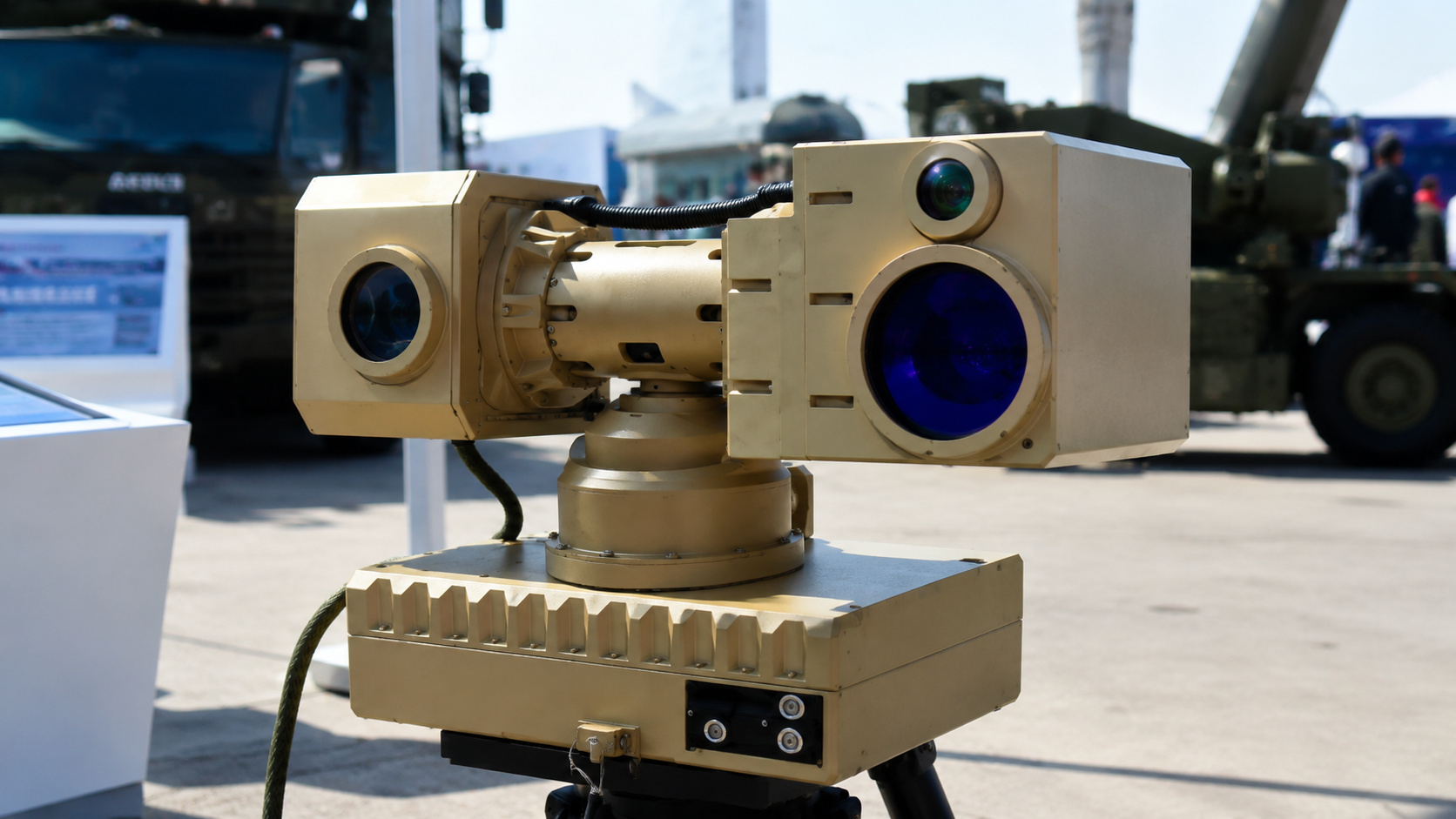

New NATO Ships: Trainable And Stabilized Launchers
The companies revealed that the system will feature stabilized and trainable launchers. This enables rapid and precise deployment of decoys against missiles and other threats. The equipment will be installed on NATO’s new European frigates.
According to RAFAEL, the system was developed based on decades of experience in the field and a deep understanding of current maritime innovations. The company emphasized its commitment to proven combat solutions that ensure mission success and the protection of allies at sea.
DESEAVER MK-4: Advanced Countermeasure Solution
Elbit’s technical highlight is the DESEAVER MK-4, a countermeasure launch system designed to combat complex missile attacks. It is part of the company’s integrated electronic warfare suite, allowing for greater situational awareness and response to multiple threats.
The system allows for the launch of different types of decoys from various launchers, helping to counter simultaneous attacks. This capability positions the DESEAVER MK-4 as the fourth generation of “soft kill” anti-missile defense systems, meaning methods that prevent missile impact without directly destroying it.
With specific algorithms, the system selects the most appropriate type of decoy for each situation. Launching can be done quickly and precisely, increasing the vessel’s protection chances.
Integration With Other Systems And Countermeasures
One of the advantages of the new system is the ability to integrate with other combat systems present on the ships. It also allows for the replacement of old fixed launchers with trainable and stabilized equipment, representing a significant advancement.
The DCLS can launch both passive and active decoys. Passive decoys are used to divert enemy sensors, while active decoys emit signals to confuse missile seekers. This combination enhances NATO’s response capability against complex threats.
RAFAEL has developed a new generation of countermeasures, including RF (radio frequency) and IR (infrared) decoys. Among them are BEAM TRAP, SMOKE TRAP, and WIZARD. Recently, a new active decoy was added: the C-GEM, designed to tackle the most dangerous anti-ship missiles currently.
According to the signed contract, the systems will be delivered over the next four years. It is expected that five vessels will receive the new electronic warfare set. The companies state that this partnership strengthens NATO’s naval protection and represents an advancement in missile defense in the maritime environment.
With information from Interesting Engineering.