Portuguese
  Spanish


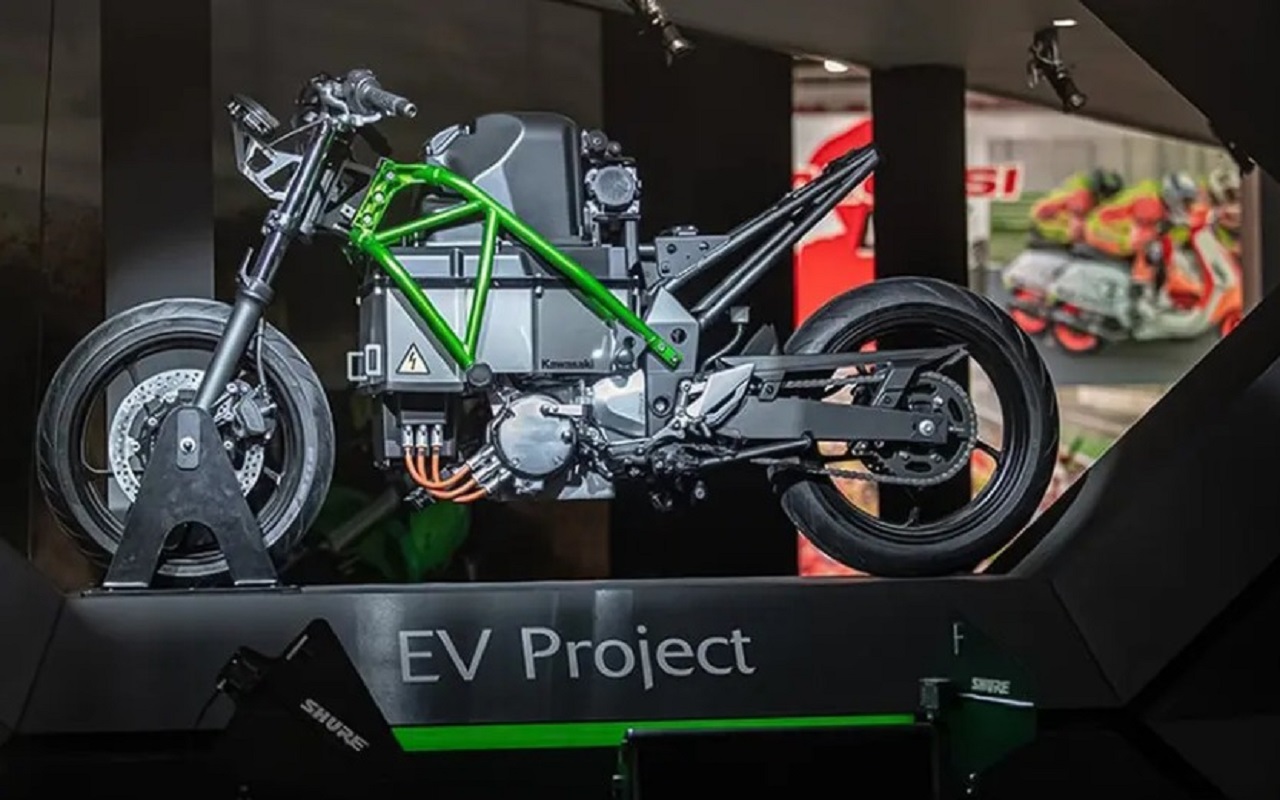

Kawasaki Is Already Moving Towards Electrification and Announced Its First Electric Motorcycle. The Electric Vehicle Is Named Kawasaki Elektrode and Will Target Children and Teenagers.
After enthusiastically announcing the development of three electric models for this year, we now know that Kawasaki’s first electric motorcycle will be aimed at children. The model is named Kawasaki Elektrode and will be officially presented on the 7th of next month. Just six months ago, at the EICMA fair in Milan, Hiroshi Ito, president of Kawasaki Motors, stated that by the end of 2022, the manufacturer would launch three models of motorcycles with hybrid or fully electric propulsion. At the time, the statement seemed very bold; however, Kawasaki is now officially announcing that it will present its first series electric motorcycle, an EV MX for Kids.
Kawasaki’s Plans with Its New Electric Motorcycle
The Japanese brand has ambitious plans for the electrification of its fleet and aims to have its entire portfolio of vehicles electric and hybrid by 2035. However, the manufacturer concealed that the first vehicle, the Kawasaki Elektrode, would be intended only for children. In fact, when the public was expecting three electric motorcycles, no one could imagine that one of them would be aimed at this younger audience.
The Japanese are somewhat behind in the electric two-wheeler market compared to other markets like Europe. Several brands already have fully emission-free alternatives on the market, such as NIU, Harley-Davidson, or Zero Motorcycles. Therefore, it is understandable that Kawasaki is eager to strengthen its electric motorcycle lineup.
-
Sales of Brazil’s Cheapest Electric Car Halted Before First Deliveries: E-Motors Suspends Emova Easy Due to Import Tax Increase and Rising Freight Costs

-
Nissan Discontinues Qashqai SUV Amid Cost-Cutting, Chinese Competition, and Product Line Review

-
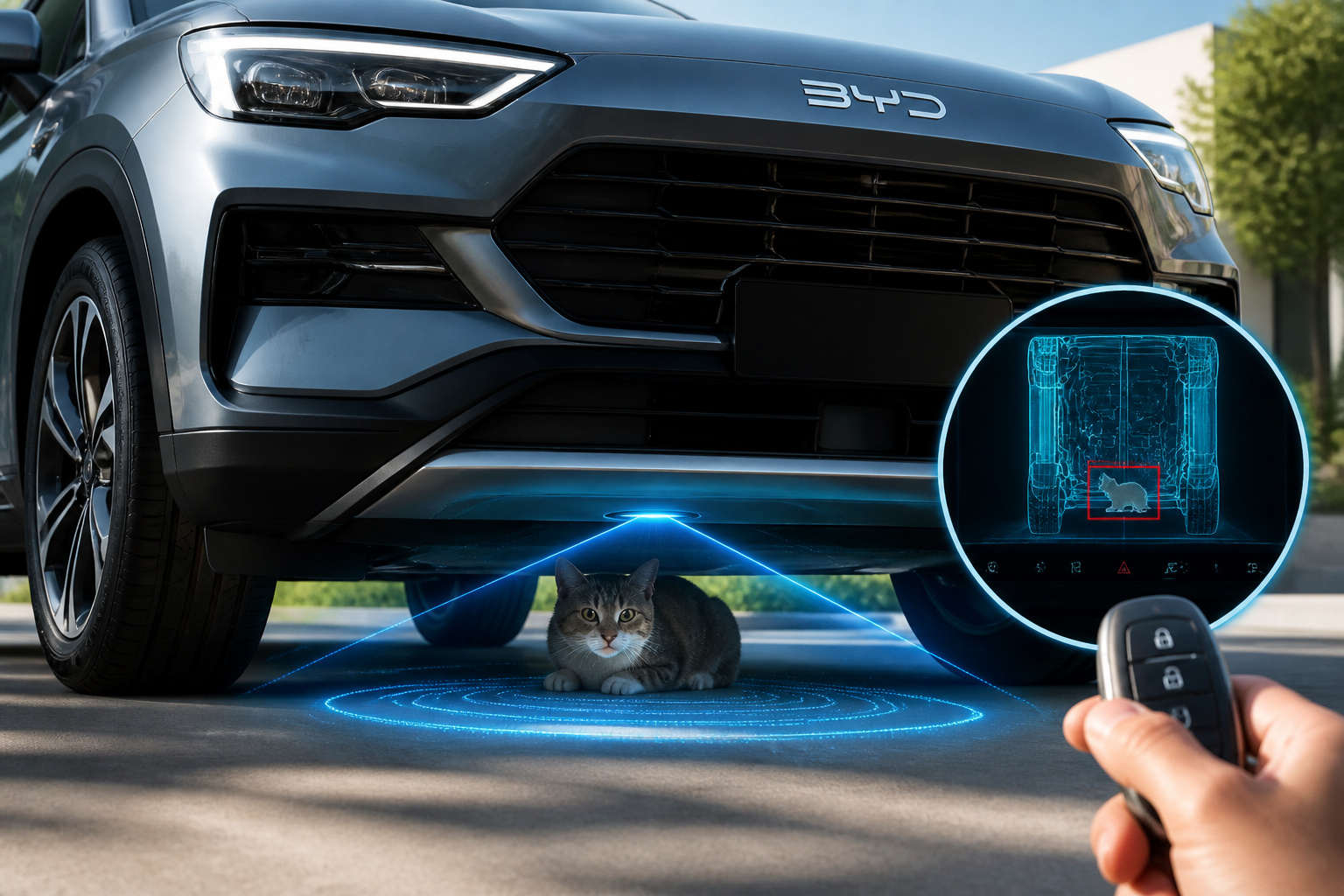
BYD Patents Revolutionary System Using Computer Vision to Detect Animals Under Cars Before Starting, Preventing Tragedies

-
Study Reveals Why Cars Are More Expensive to Produce and Buy in Brazil Compared to Mexico, Highlighting Taxes, Logistics, and Industrial Costs as Key Factors.



Many motorcyclists are eagerly awaiting the new Kawasaki Elektrode, but they will have to wait for further news, as the Japanese have not announced any specific date for these three models. As of now, what is known is that the brand has patented the model name as Kawasaki Elektrode in several markets.
Kawasaki Aims to Develop New Platforms
For this year and the next, Kawasaki plans to launch up to 60 motorcycles with presentations divided until 2026. Among them, around ten electric motorcycles are expected for all the niches where the brand operates, from racing to off-road models.
There is also a possibility that Kawasaki will do with the platforms what it usually does with combustion motorcycles, that is, develop a platform that allows its use in various models such as the Ninja 650, Versys 650, Z 650, and Z650RS.
It is worth noting that, although details about the prototypes have not been offered, there is a possibility that they are from the ninja family. The manufacturer is also continuing to work on developing hydrogen-powered engines, which currently do not have a release date set.
About the Company
Kawasaki is a multinational company that has over 50 subsidiaries, such as factories, marketing and sales headquarters, and distribution centers, most of which are located in major cities around the world.
The Japanese multinational is doing its best to fulfill its responsibilities to the planet, being aware of the environment. The company strives to develop factories that are environmentally friendly, technologies to protect the earth, and new energy sources that will contribute to a stable supply of energy resources, recycling, and conservation technologies.
Currently, Kawasaki is involved in developing transportation systems for the 21st century, utilizing the wealth of technological know-how it has accumulated over the last 120 years. The shipbuilding division has led the world in producing larger, faster, and more automated ships.