






 Portuguese
  Spanish
 2 min of reading


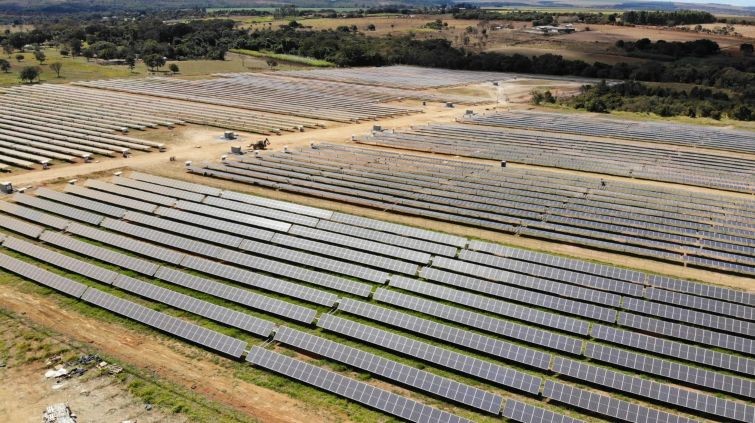
Vivo Operator Inaugurated Its First Solar Power Plant in Marabá, Pará. The Company Plans to Build 70 More Plants
Vivo has advanced in sustainable development by inaugurating the first solar power plant in the northern region of the country. The unit is built and operated by Athon Energia and is located in Marabá, in the state of Pará, with an annual generation capacity of 2,190 MWh. The services will be provided to 632 consumers, including the company’s departments, such as stores, websites, and transmission equipment in the area.
- Resume and Work Card in Hand to Compete for Job Openings to Work on the Construction of a Wind Complex in Bahia
- Vale Foundation Opens Various Opportunities in Free Online Courses
- Pipeline Explosion in Venezuela May Have Been the Target of a Terrorist Attack
Solar Power Plant in Pará
The project also foresees additional solar power plants being built in the northern region, including two new plants in Pará, two in Boa Vista – Roraima, and one in Rolim de Moura – Rondônia. All of them will use solar energy, with expected operation starting in 2021.
In the distributed energy generation model, the energy generated by the solar power plants is injected into the transmission grid of the local utility, which in the case of Pará is Equatorial.
-
Brazilian scientists are simultaneously advancing two research projects on clean hydrogen and driving solutions that could transform the energy matrix, enhance industrial competitiveness, and accelerate large-scale emission reduction targets.

-
Advancement in renewable energy: A R$ 150 million project launched by Petrobras and Finep aims to create state-of-the-art electrolyzers for green hydrogen, strengthening national research and preparing Brazil to compete in a billion-dollar energy market.
-
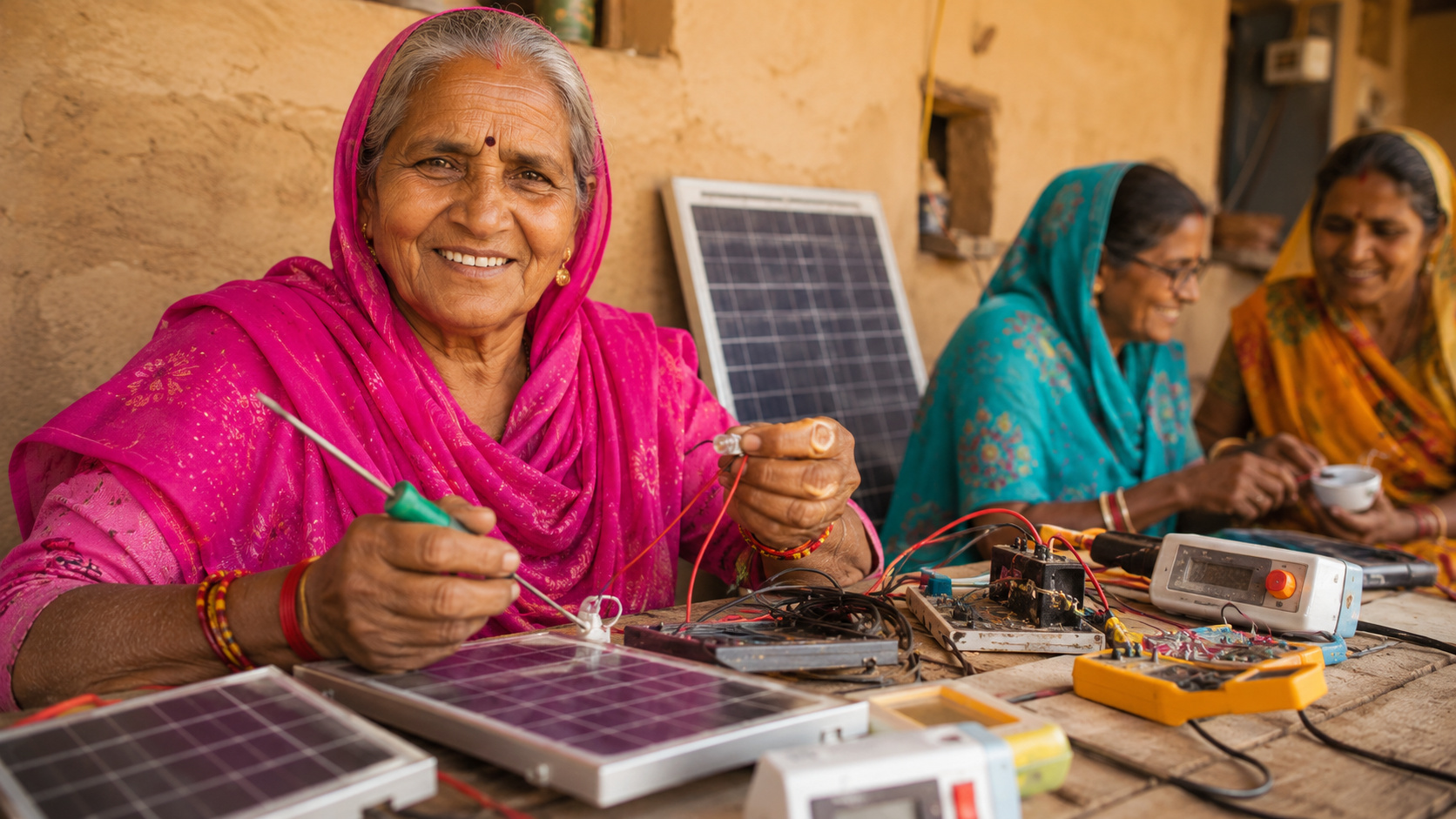
Illiterate or semi-literate grandmothers were trained to repair solar systems, open rural workshops, and light up homes that still depended on kerosene.
-
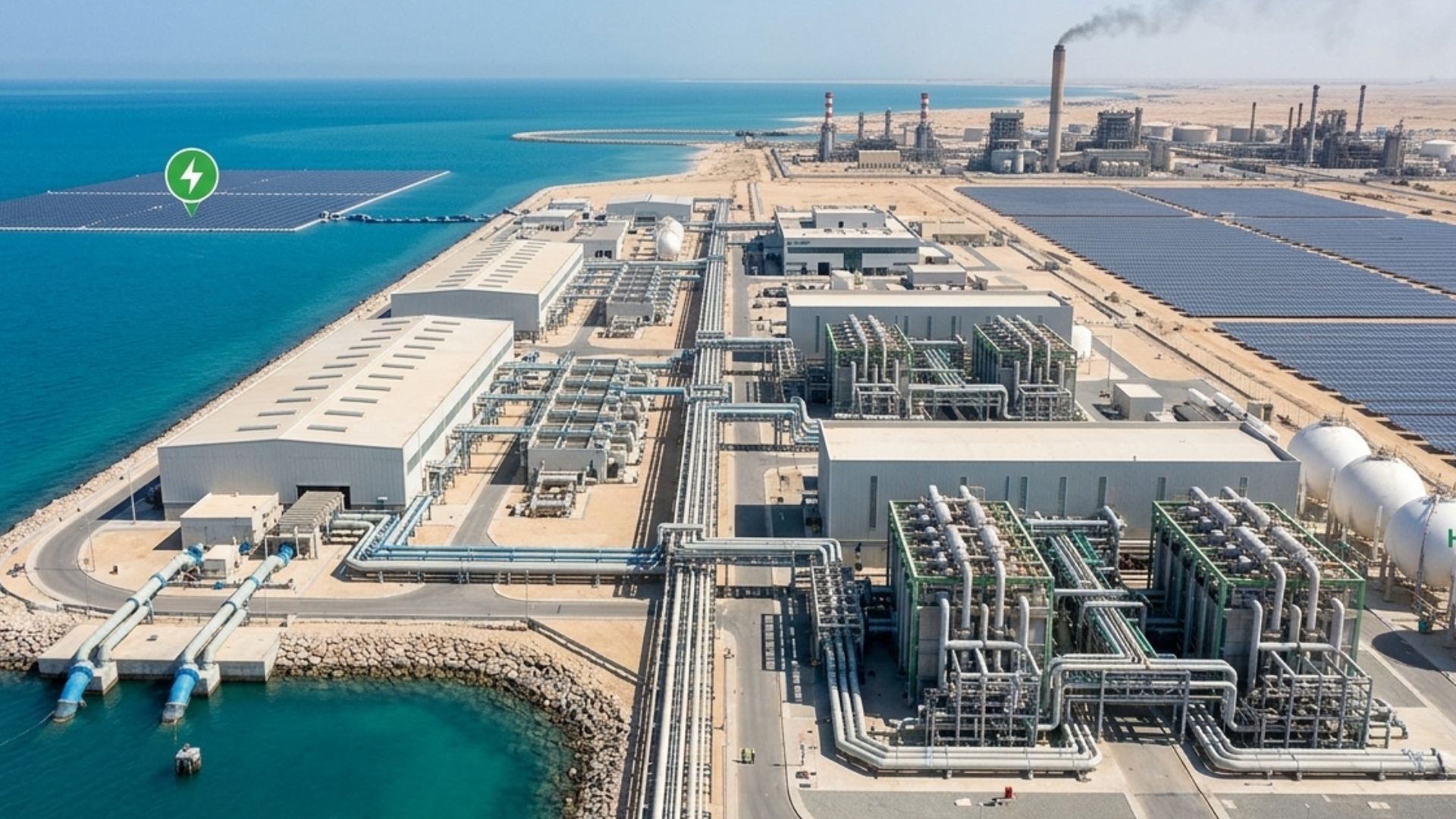
The world has bet on green hydrogen as the fuel of the future, but now faces the side effect: producing 1 kilogram requires about 9 liters of ultrapure water, and the largest projects on the planet are precisely in the driest regions of the Earth, where water is already scarce for people.



During the construction period, the “Athon Marabá 200” factory generated about 110 direct jobs and 60 indirect jobs. In the operational phase, it will generate 20 direct or indirect jobs.
Future Plants of Vivo
Since 2020, Vivo has been expanding its distributed energy generation model, utilizing renewable resources such as solar energy (61%), hydropower (30%), and biogas (9%) throughout Brazil. The plan includes the installation of more than 70 plants in 23 states, plus the Federal District. With the start of the Marabá plant, 16 plants dedicated to Vivo have started operation. The rest is expected to be operational by December 2021.
Vivo’s distributed generation project will account for more than 80% of low-voltage consumption, serving more than 28,000 company units. In addition to being renewable and having a low environmental impact, this measure is also expected to save a lot of money each year in terms of energy expenses. With all plants operational, Vivo will generate about 670 thousand megawatt-hours of energy per year, enough to meet the total consumption of a city with 300,000 inhabitants.



Be the first to react!