Portuguese
  Spanish


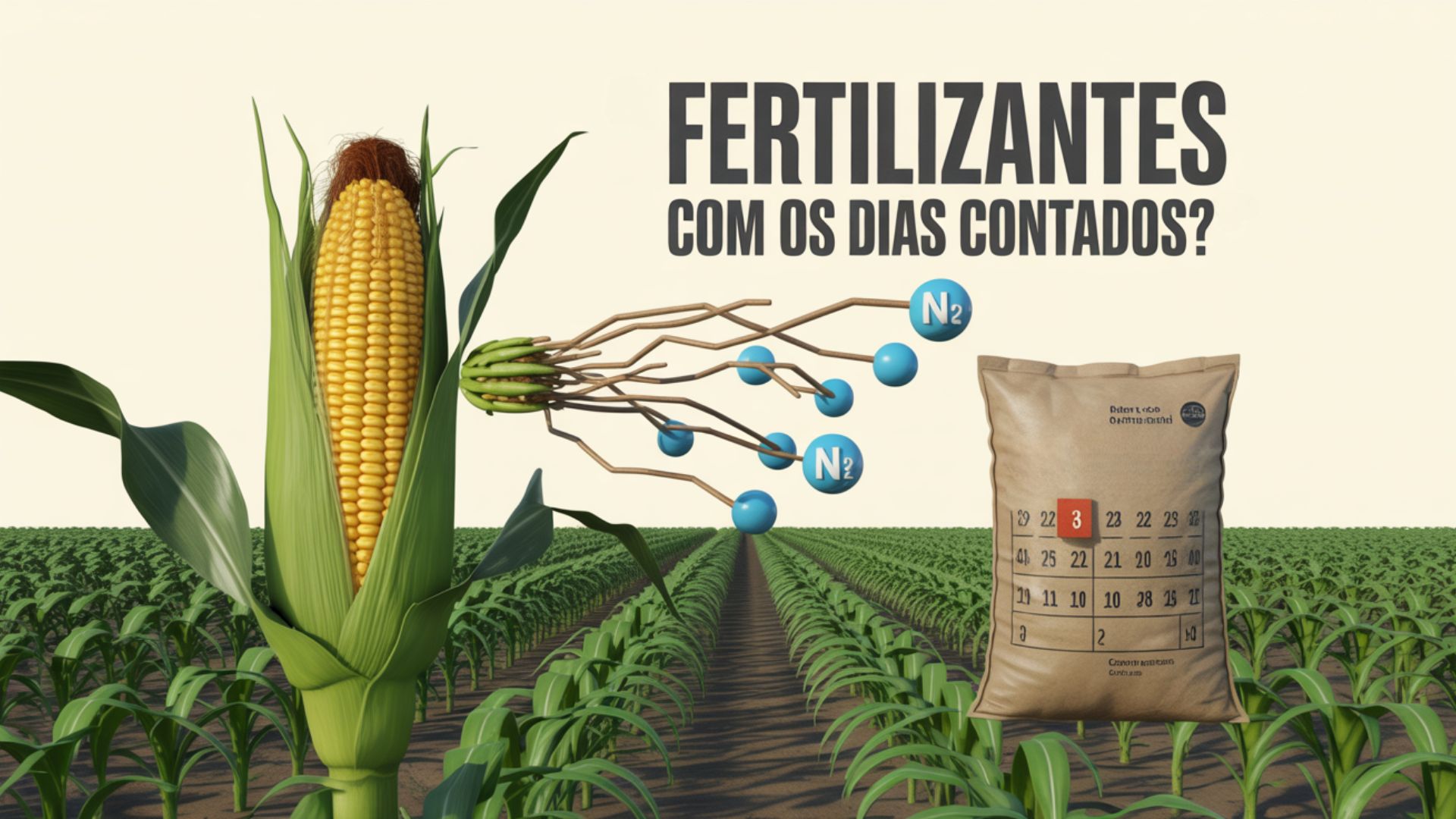

Discovery of a Traditional Variety of Corn Capable of Capturing Nitrogen from the Air Draws the Attention of Scientists, Producers, and the Global Agri-business, Potentially Impacting Costs, Sustainability, and Innovation in the Field.
The corn that captures nitrogen from the air has transitioned from a laboratory curiosity to making international headlines after being publicly described in 2021 by Professor Alan Bennett from the University of California.
The information was originally published by the agricultural portal Compre Rural, which highlighted the potential of the discovery to reduce fertilization costs and mitigate environmental impacts.
Since then, universities, seed companies, and governments have been monitoring every step of the research that could alter the foundation of modern agriculture.
-
Researchers Turn Discarded Mango Pits into Hydrogel That Absorbs 400% of Its Weight in Water, Offering Agricultural Solution for Droughts and Waste Reuse

-
Flower strips in Brazilian farms become pest control strategy, attracting predator insects and reducing the need for chemical pesticides.

-
Yara acquires Texas ammonia plant for $1.3 billion, boosting global fertilizer competition with 1.3 million tons annual capacity
-
At 35, Lawyer Leaves Corporate Career to Turn 1-Hectare Farm into Organic Supplier for Schools in Southern Brazil


Nitrogen Capturing Corn: From Serra Mixe to the Scientific Spotlight
In the mountainous region of Serra Mixe, Oaxaca, Mexico, Indigenous farmers have been cultivating a local variety called olotón for centuries.
In poor soil, the nitrogen-fixing corn survives thanks to aerial roots that continue to emerge after the plant reaches maturity.
These roots release a sugary mucilage that harbors diazotrophic bacteria—microorganisms capable of capturing atmospheric nitrogen and converting it into ammonia, a form that plants can assimilate.
Field trials indicate that the cereal obtains between 29% and 82% of the element without any chemical fertilizer.
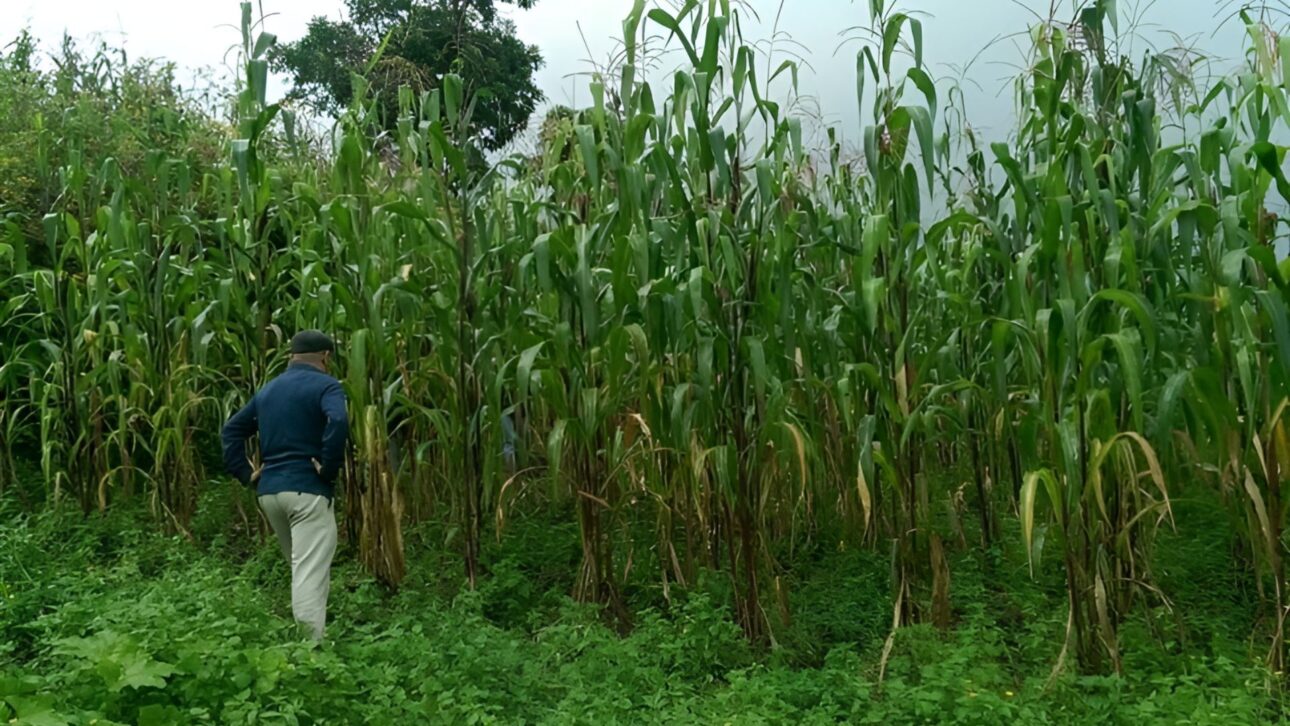
Aerial Roots and Mucilage: The Innovative Mechanism of Corn
Each aerial root forms a gelatinous covering with low oxygen content, providing an ideal environment for the enzyme nitrogenase to perform the fixation.
The exuded sugar serves as food for endophytic bacteria, creating an unusual symbiotic partnership in grasses.
This same logic, common in legumes such as beans and soybeans, had never been proven in commercial corn.
The corn that captures nitrogen from the air inaugurates a new agronomic category by combining high nutritional demand with a self-sufficient biological source.
Economic and Environmental Impacts for Agri-business
The production of nitrogen fertilizers consumes about 2% of the world’s energy and accounts for up to 5% of global greenhouse gas emissions.
By eliminating these inputs, the nitrogen-fixing corn promises to:
- Reduce direct production costs, especially in regions where urea represents a significant share of small producers’ expenses.
- Decrease the carbon footprint of agri-business, contributing to international climate mitigation goals.
- Avoid the eutrophication of water bodies, since excess nitrogen will no longer run off into rivers and lakes.
From Traditional Knowledge to Modern Genetics in Corn
Researchers have been mapping the genes involved in the formation of aerial roots and in the synthesis of mucilage.
The goal is to introgress these genes into high-yield hybrids without sacrificing productivity.
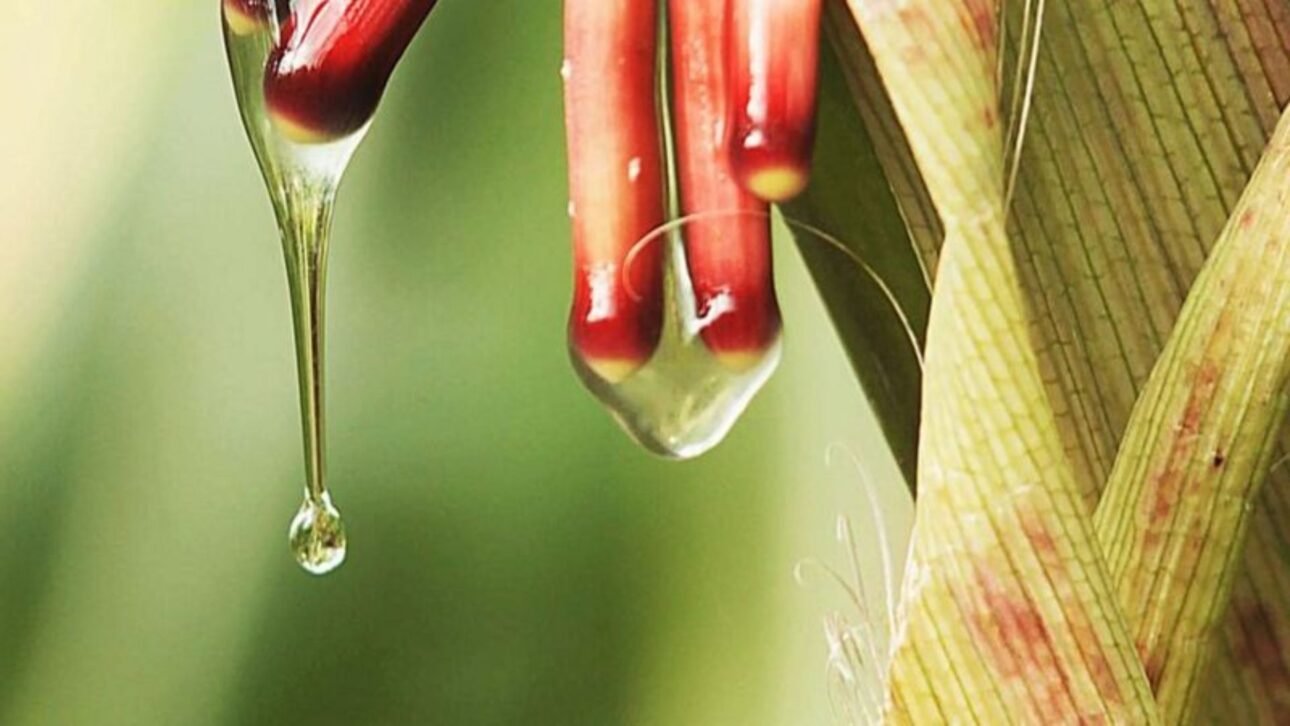
Tests in greenhouses and microplots are advancing in the United States, Mexico, Brazil, China, and India.
However, the most optimistic forecast indicates the commercial release of seeds only in the next decade.
“We still need to fully understand genetic regulation before thinking about large-scale implementation,” emphasizes Bennett, in statements reproduced by Compre Rural.
Regulatory Challenges and Benefit-Sharing
The bioprospecting of the Mexican variety raises legal questions under the Nagoya Protocol, a treaty that demands fair benefit-sharing with local communities.
Indigenous organizations from Serra Mixe are requesting participation in any royalties, an argument that has gained strength given the interest from multinational seed companies.
Advantages for Family Farming
Even in scenarios where fixation covers only 30% of demand, experiments show that it is already possible to eliminate at least one top-dressing application, saving up to 60 kg of urea per hectare.
For family farmers in tropical regions, the corn that captures nitrogen from the air could represent independence from expensive and unstable inputs on the international market.
Possibilities for Other Agricultural Crops
By understanding the mechanism, scientists intend to apply tools like CRISPR to transfer the trait to other crops with high nitrogen consumption, such as irrigated rice and wheat.
If successful, the strategy will expand the reach of the technology and amplify environmental benefits.


Critical Points for the Future of Nitrogen-Fixing Corn
- Stability of fixation in nitrogen-rich soils, where plants tend to deactivate the natural process.
- Accurate quantification of bacterial contribution in different climatic zones.
- Scalability of seed production without diluting the original adaptation from Serra Mixe.
Between Promise and Practical Adoption in Agri-business
While biological products attempt to meet part of the nitrogen demand in crops, the nitrogen-fixing corn emerges as a self-sufficient alternative.
However, experts warn that without proper management, the simple adoption of the new genetics will not solve problems of erosion, nutrient balance, or soil conservation.
Challenges and Opportunities for Corn Producers
The corn that captures nitrogen from the air holds the potential to reformulate the agricultural cost matrix, reduce emissions, and democratize technology among producers of various scales.
Even with technical and regulatory obstacles, agronomic innovation sparks optimism at a time of global pressure for more sustainable food systems.
Do you believe that farmers will quickly adopt this variety, or will the dominance of fertilizers still dictate the pace of grain production in the coming years?