






 Portuguese
  Spanish


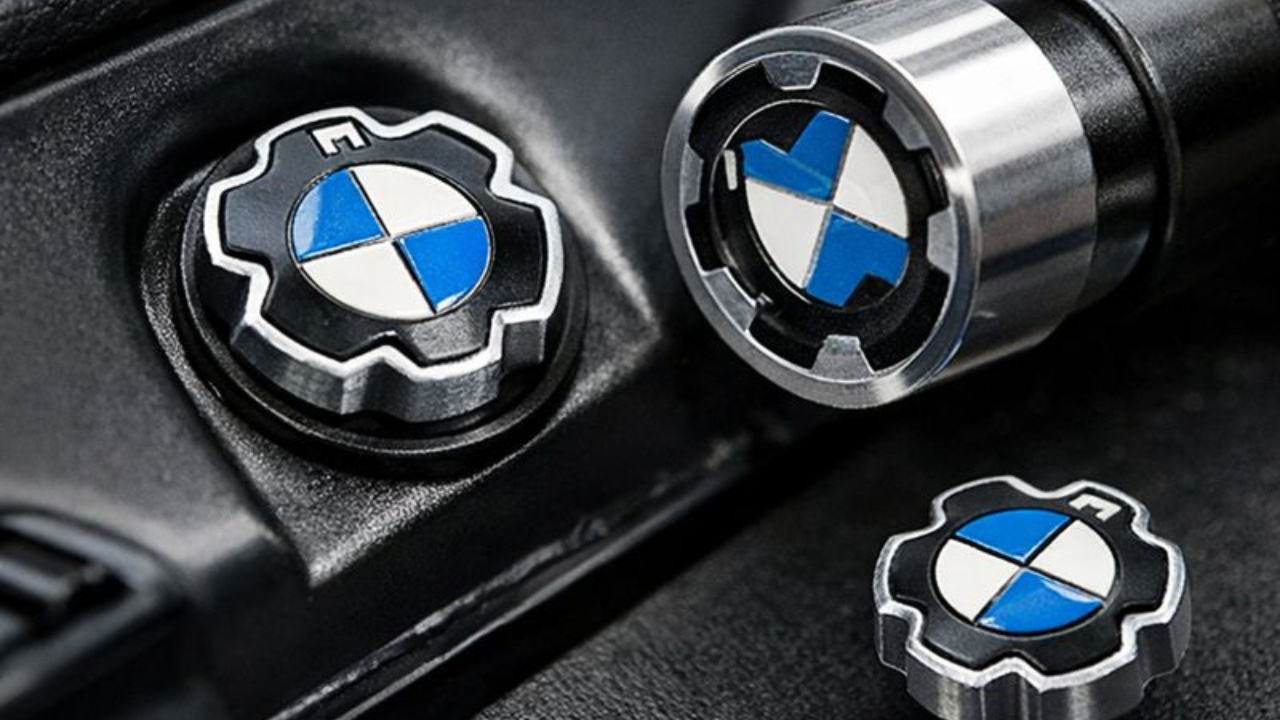


BMW Registers Exclusive Automotive Screw Patent and Reignites Debate on Right to Repair and Vehicle Maintenance.
BMW has registered an automotive patent for a new type of screw shaped like the brand’s logo, designed to be removed only with exclusive tools.
The application was filed last week with the European Union Intellectual Property Office and its stated aim is to prevent use by “unauthorized persons,” which has reignited the international debate on right to repair, vehicle maintenance, and dependence on dealerships.
Right from the start, the proposal raises important questions: to what extent does the protection of components and technical standards justify restricting access to repairs? And how does this affect consumers and independent shops?
-
2027 Toyota Corolla Cross Unveiled: New Design, Enhanced Fuel Efficiency, Reduced Maintenance Costs, Advanced Technology, Connected Services, and Up to 10-Year Warranty

-
Fiat Cronos Precision 2018: Affordable Sedan with Spacious Trunk and Reliable Maintenance
-
Volkswagen to Cut Production by 1 Million Cars by 2030, Reducing Jobs and Platforms, Focusing on More Profitable Models

-
Toyota Launches First 100% Electric Car in Brazil: bZ4X with 343 HP, All-Wheel Drive, 361 km Range, Priced at $419,990 BRL, Limited to 99 Units




Automotive Patent Details Restriction on Use of Common Tools
According to the official document, the automotive patent explicitly recognizes that the shape of the screw prevents the use of conventional tools.
In practice, this means that common wrenches cannot fit the piece, making removal impossible without a tool specifically developed for the design of the blue and white logo’s propeller.
Therefore, the vehicle maintenance of these points would be limited to those who have access to the authorized tools.
This detail is central to the debate, as it creates a technical barrier that may distance independent shops and consumers who perform repairs outside the official network.
Criticism Highlights After CarBuzz’s Revelation
The website CarBuzz was the first to disclose the existence of the automotive patent and adopted a critical yet humorous tone when commenting on the news.
“BMW Can ‘Screw’ Independent Mechanics Working on Its Cars,” says the headline of the report.
In another excerpt, the site states: “Its latest patent is for a new screw head that will drive mechanics crazy.”
According to CarBuzz, the creation “complicates repairs and forces visits to dealerships,” precisely because the tool needed to remove the screw would have to be custom-made for the brand’s exclusive design.
Direct Impacts on Right to Repair and Vehicle Maintenance
The potential use of this type of screw places the right to repair at the center of the discussion.
This concept advocates that consumers and independent shops have access to parts, technical information, and tools to carry out vehicle maintenance fairly and competitively.
Meanwhile, critics point out that if BMW takes the automotive patent to mass production, there could be an increase in dependence on dealerships.
This tends to raise costs, extend waiting times for services, and reduce consumer choice.
Furthermore, CarBuzz itself highlights that even if compatible tools appear on the market, they will likely take time to emerge outside the network of authorized dealers.
Expected Use in Visible Areas of the Vehicle
According to the description of the automotive patent, BMW intends to apply the screws in locations where fasteners are typically visible.
Examples include points for securing seats and connections between the cockpit and the body structure.
The official justification is to preserve the integrity of components and ensure that vehicle maintenance meets rigorous technical standards.
Thus, the automaker claims to seek greater safety and quality in the repairs carried out.
Between Technical Standardization and Dependence on Dealerships
On the other hand, automotive industry experts warn that standardization does not necessarily require exclusivity.
With proper technical integration, suppliers and independent shops could meet the same quality requirements without undermining the right to repair.
Meanwhile, the uncertainty regarding the future of the automotive patent remains. If it only stays on paper, the impact will be minimal.
However, if it reaches production lines, BMW vehicle owners may spend more time at dealerships or have difficulty finding independent shops willing to deal with the novelty.
Thus, the discussion goes beyond a simple screw: it involves competition, consumer freedom, and the balance between innovation, safety, and fair access to vehicle maintenance.





SÓ BAIXAR AQUI NAS TERRAS TUPINIQUINS QUE RAPIDAMENTE SURGEM COMO MÁGICA FERRAMENTAS E ADAPTAÇÕES PARA O SERVIÇO. NÃO CHEGA A CONTAR ATÉ DEZ PRA FAZEREM ISSO.
Sempre foi uma marca de luxo mais nunca fez carros duráveis são todos descartáveis é só comprar de outra marca e boa
Mas existe uma chave universal q toda oficina tem e solta esses parafusos, se chama martelo e talhadeira depois e só trocar por parafusos sextavados