






 Portuguese
  Spanish




New Generation of WR-V Arrives in Brazil to Fill the Space of the Fit, with 1.5 Engine, Renewed Design, Expanded Range and Strategic Positioning to Compete with Main Compact SUVs in the National Market.
Honda has officially launched the new WR-V 2026 in Brazil, marking the debut of a compact SUV that comes to fill the gap left by the Honda Fit and act as the Japanese brand’s entry option in the sport utility segment.
The new model is expected to arrive at Brazilian dealerships in November 2025, bringing as a highlight the 1.5-liter engine, already known from the Honda family, which offers range of up to 560 kilometers.
In addition, the vehicle will be positioned with a price lower than the HR-V, directly competing with rivals such as Nissan Kicks, Volkswagen T-Cross and Fiat Pulse.
-
Turbocharged Engines with Direct Injection: Why High-Performance Engines Over 130 HP/Liter and Turbines at 200,000 RPM Challenge Durability

-
Chevrolet’s Parent Company to Invest Billions in Brazil to Modernize Factories, Update Cars, and Accelerate Hybrid Launch by 2028

-
Practical Driving Tests in Brazil Surge by 23.5%, Exceeding 2.2 Million by 2026, as New Rules Make the Process Cheaper and Simpler
-
Brazil’s Lula Government Allocates $463 Million Quota for Electric Car Parts, Waives Import Tax Until December, Sparking Competition Among BYD, Automakers, and Unions as Consumers Question Impact on Prices and Local Industry


The new Honda WR-V is born at a time of strategic renewal for the automaker in the country, which has opted to end the production of the Fit and expand its SUV offering.
Originally developed in Thailand and introduced to the Asian market in 2023, the Brazilian model will be produced at the Itirapina plant in São Paulo, alongside the also renewed City and HR-V.
With the arrival of the WR-V, Honda aims to meet the growing national demand for compact SUVs and offer an entry alternative with ample technological package, robust design, and more interior space.
Dimensions, Design and Engine of the New WR-V
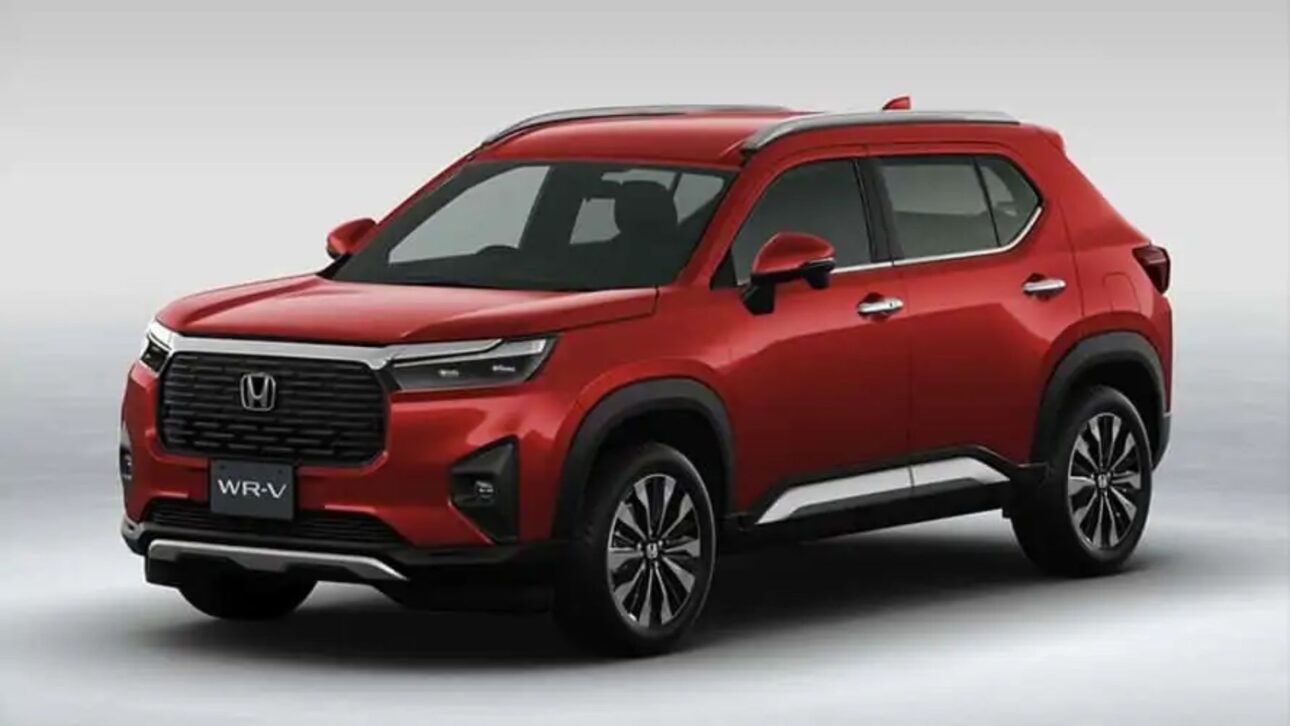
The WR-V 2026 features generous dimensions for the category: 4.31 meters in length, 1.79 meters in width, 1.65 meters in height, and 2.65 meters in wheelbase.
The same wheelbase length as the Volkswagen T-Cross, one of the main direct competitors, and 4 centimeters longer than the HR-V.
The new compact SUV is also 8 centimeters taller than the HR-V, reinforcing its imposing look and adventurous proposal while maintaining the typical comfort of the Honda line.
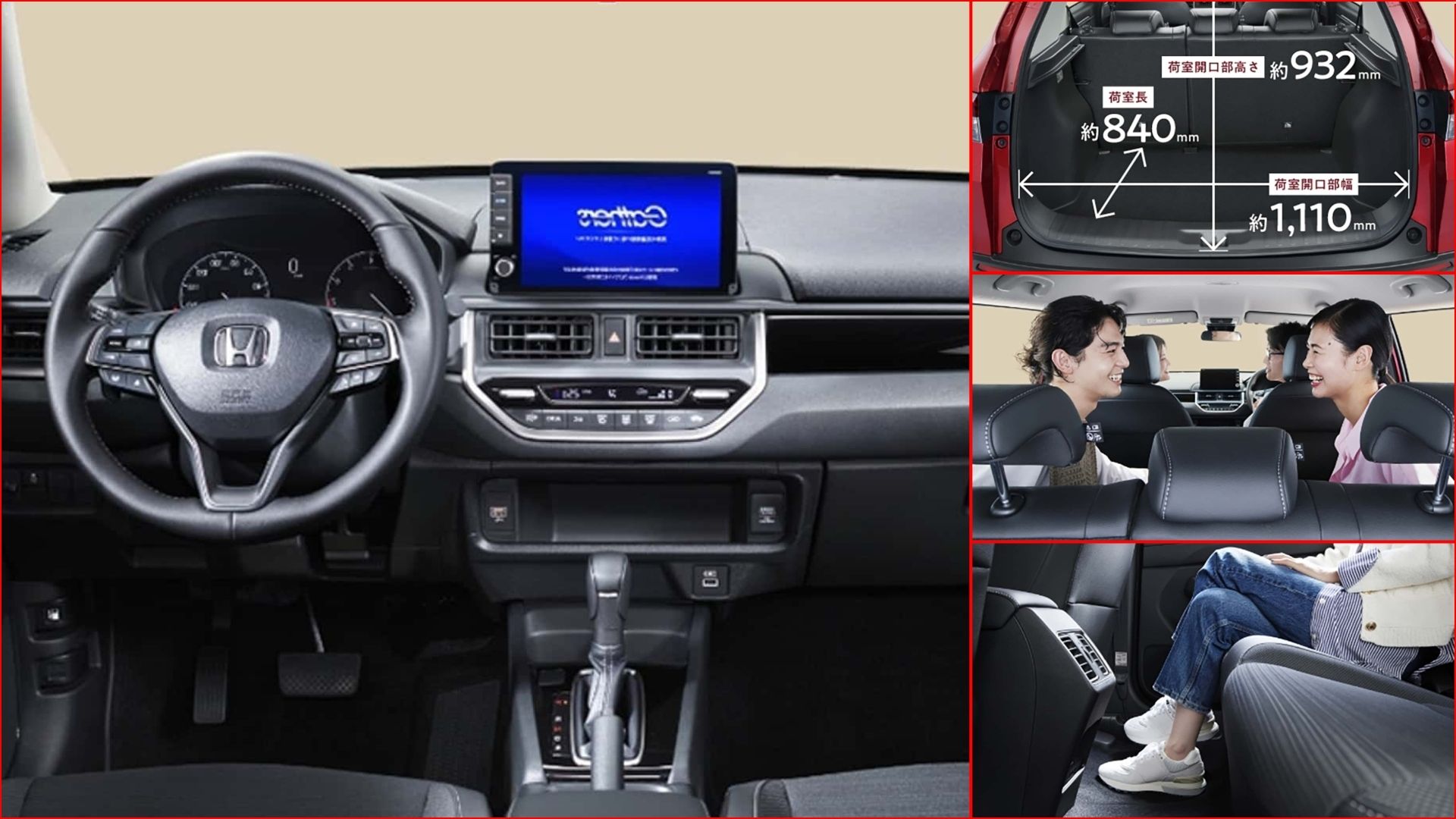
The trunk is another highlight of the new Honda WR-V, with capacity for 380 liters, surpassing both the HR-V (354 liters) and the last Fit sold in Brazil (363 liters).
This difference can be decisive for those looking for a compact sport utility vehicle with greater versatility for daily use and trips.
The vehicle uses the same platform as the seventh generation of the Honda City, ensuring structural robustness and mechanical efficiency.
All versions of the WR-V 2026 will feature the 1.5 i-VTEC direct injection engine, delivering 126 horsepower and 15.8 kgfm of torque, always paired with a CVT automatic transmission (Continuously Variable Transmission).
This combination promises good performance both in the city and on highways, with balanced fuel consumption and low emissions, factors valued by Brazilian consumers.
Versions, Equipment and Differentials
Initially, two versions of the new compact SUV will be available: EX and EXL.
Both come with a complete list of equipment but omit luxury items found in higher versions of the HR-V, such as a panoramic sunroof and the advanced Honda Sensing package — which includes adaptive cruise control and autonomous emergency braking — to ensure a greater distance between the models and make the WR-V more competitive against direct rivals.
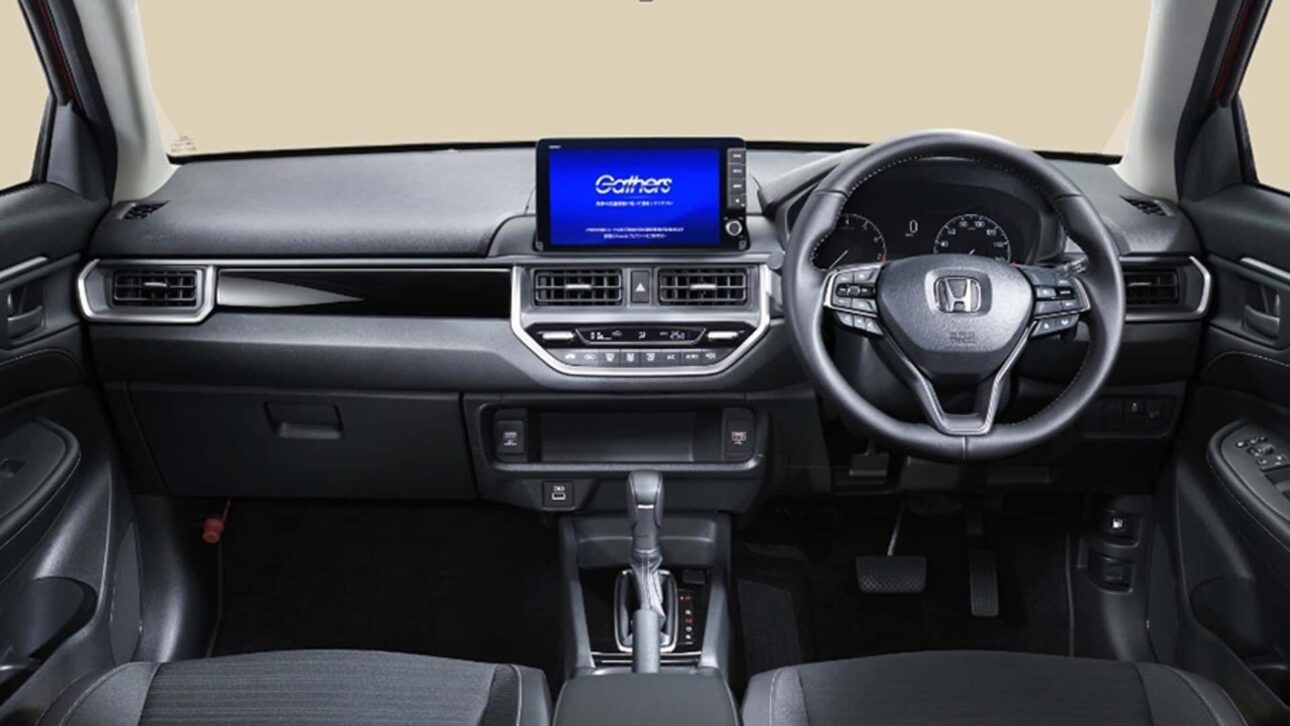
Inside, the Honda WR-V 2026 stands out for its clean-lined dashboard, resembling the steering wheel and the partially digital instrument cluster of the City, but with its own visual proposal.
The model offers a multimedia center with a 10.25-inch screen, automatic air conditioning, as well as air vents for rear seat passengers.
Another positive point is the wireless phone charger, a technological solution increasingly present in models of the category.
In addition, Honda’s new SUV brings driver assistance systems, such as side and rear vision assist, hill start assist, and emergency braking, aiming to increase occupant safety and facilitate driving in different urban and highway traffic situations.
Price Range and Market Strategy for the New Honda SUV
Honda expects to position the WR-V 2026 between the City and the HR-V in terms of price, with values between R$ 145,000 and R$ 155,000 for the EX and EXL versions.
This range places the new sport utility vehicle in a position to directly compete with leading-selling compact SUVs in the country, such as Nissan Kicks, Volkswagen T-Cross, and Fiat Pulse, all known for balancing price, equipment, and low maintenance costs.
The recent increase in HR-V prices, now starting at R$ 163,900, was pointed out by the brand as a strategy to make room for the new WR-V in the product line.
With this, Honda seeks to expand its presence in the entry-level segment of SUVs, which continues to rise in Brazil, and consolidate a family of sport utility vehicles that can cater to different consumer profiles.
National Production and Export of the New WR-V
Another important point is the export strategy. The production of the Honda WR-V 2026 in Itirapina (SP) will not be limited to the national market.
The new compact SUV will also be exported to South American countries, expanding the Japanese automaker’s presence in the region.
It is worth noting that the previous generation of the WR-V, even after being discontinued in Brazil, continued to be produced for a period to meet neighboring markets, a fact that reinforces the model’s relevance in Honda’s international strategy.
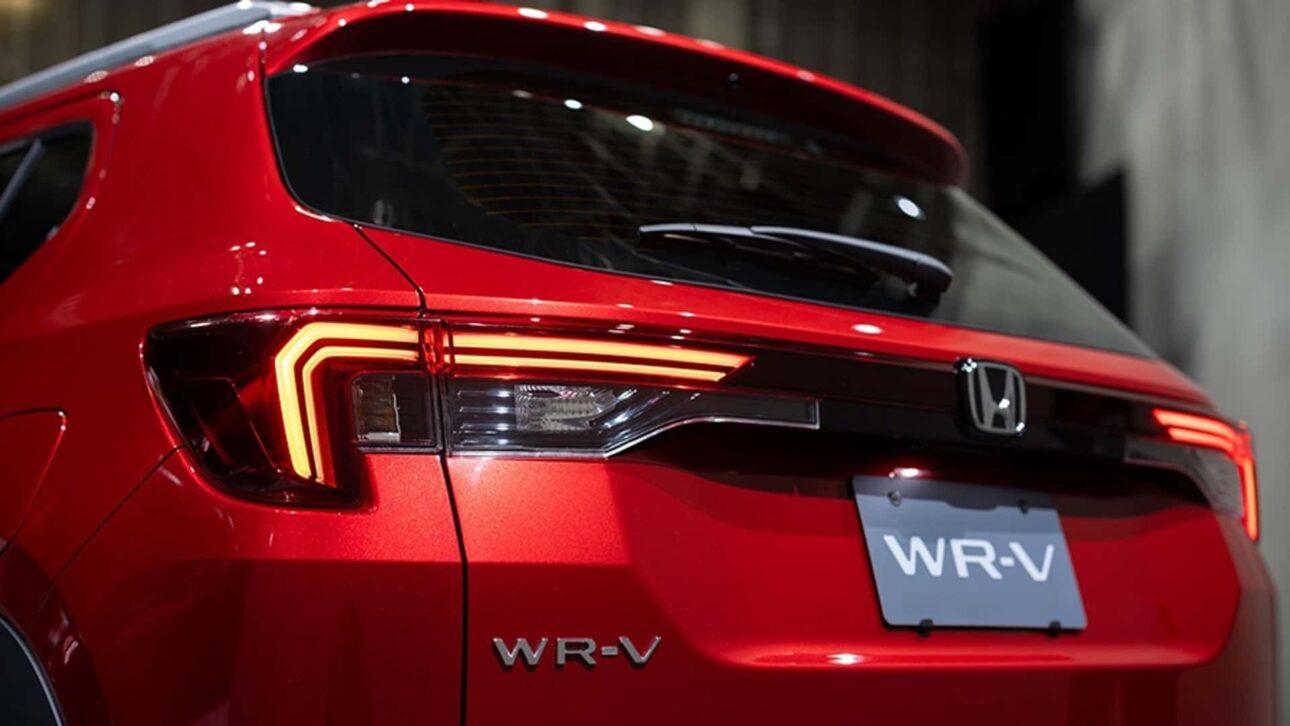
Visual, Technology and Safety in WR-V
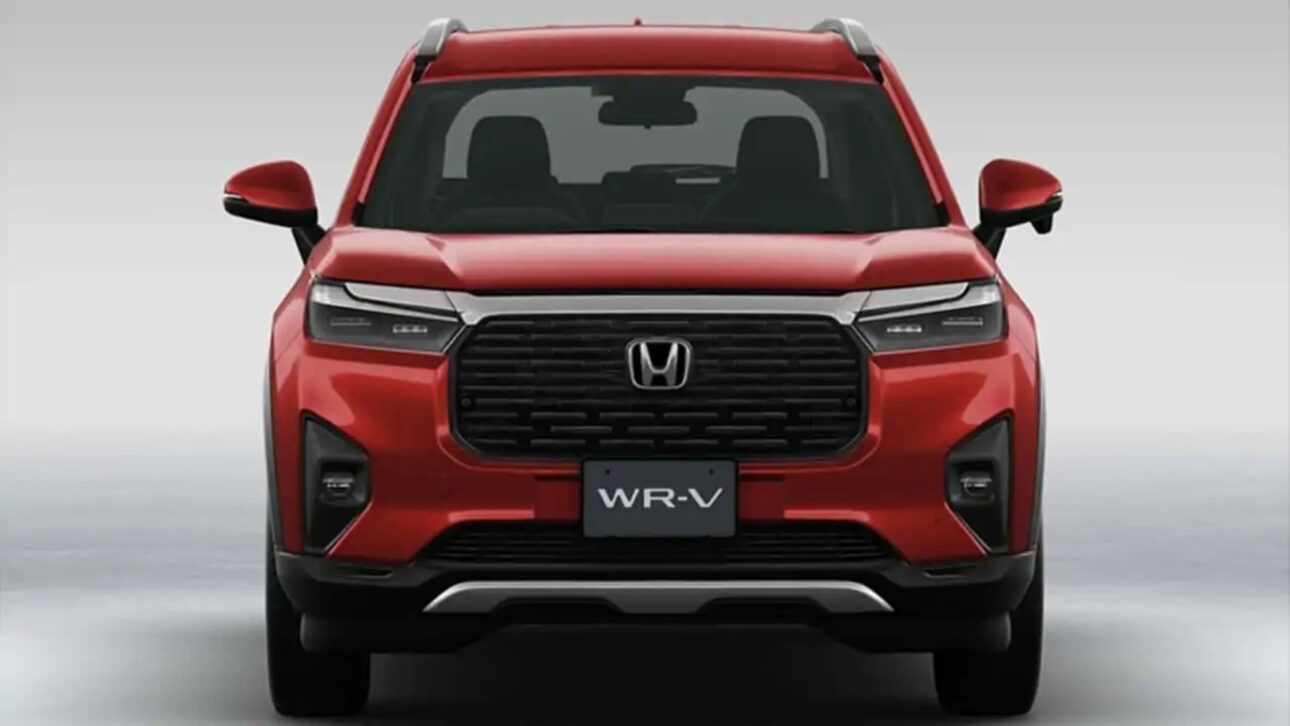
Visually, the national WR-V maintains the robust features of the Asian model, with a square front grille, sharp LED headlights, elevated hood, and vertically lined rear.
The model brings conventionally positioned door handles, wider C-pillar, and upside-down L-shaped taillights, visually connected by a bar that is not functional.
This combination ensures a unique personality while reinforcing the identity of the new generation of the brand’s SUVs.
Among the differentiators, the ample wheelbase provides more space for occupants and contributes to comfort on long trips, while the interior finish, although simpler than premium models, maintains the quality standard already characteristic of Honda.
The concern for technology and safety is reflected in features such as the 10.25-inch multimedia center, smartphone connectivity, wireless charging, and various driving assistance systems.
The equipment package aims to cater to an increasingly demanding and connected audience, seeking not only design and space but also practicality and protection on the road.
With so many new features, the arrival of the new WR-V in the Brazilian market promises to energize the compact SUV segment and reinforce Honda’s position in one of the industry’s most competitive niches.
With the launch scheduled for November and expectations of competitive pricing, will the WR-V 2026 be able to replicate the success of its main competitors and capture consumers looking for an SUV with a 1.5 engine, ample range, and a more affordable price?





Preço alto para um carro com motor 1.5 de 126 cv
Sobre a autonomia de 560 km, fui de Curitiba até Foz de Iguaçu em 2024 com meu T Cross 1.0, 2020, lá chegando, o painel indicava que eu ainda tinha, ainda, maís 150 km de autonomia !
Curitiba a Foz são 620 km de distância.
Excelente Automóvel em Motor 1,5 ampla autonomia e valor mais acessível se torna uma opção n 01 ao publico Brasileiro que ira aderir esse Modelo WR-V a nova tendencia no mercado de Automóvel na linha SUV