Portuguese
  Spanish


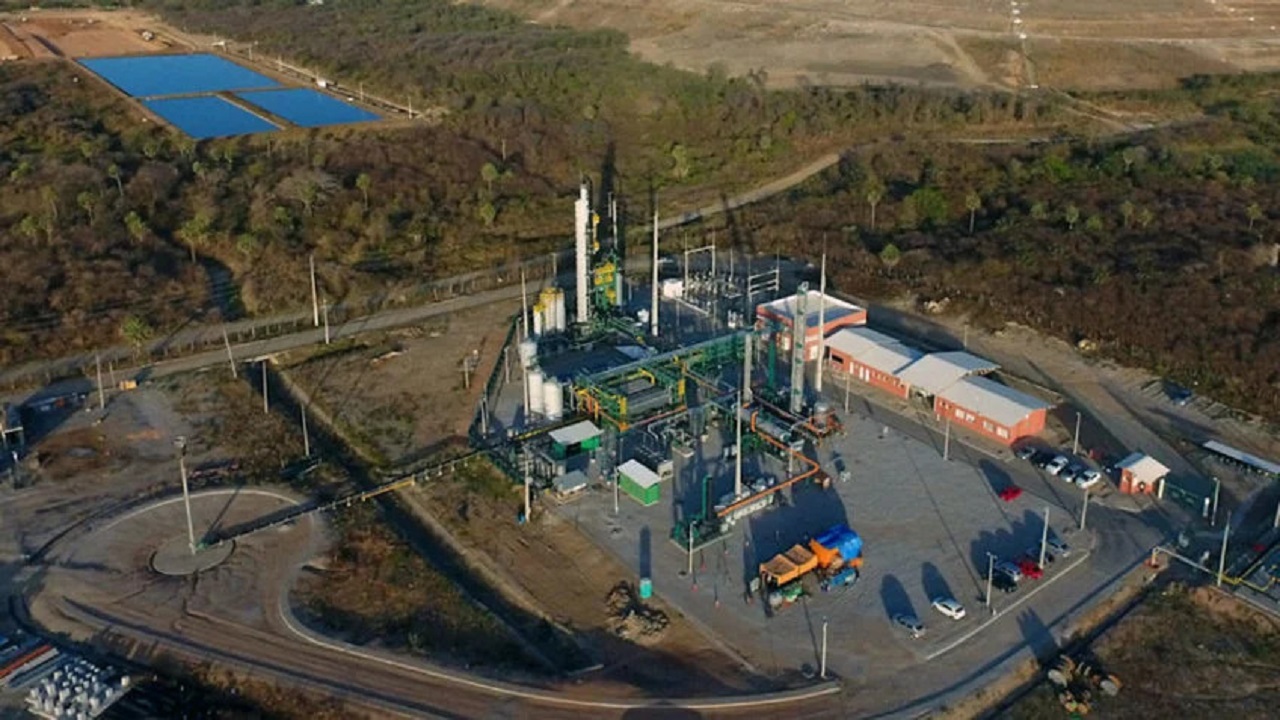

Europe Has Set A Deadline For Its Fleet Of Trucks And Other Heavy Vehicles To Have Biogas As A Fuel Source
Investing in fuels that ensure lower greenhouse gas emissions (GHG) is essential for the decarbonization of the transport sector. There is a growing number of projects in Europe to reduce heavy fleet emissions by 90% by 2040, for example.
Biogas, an organic fuel that can reduce truck pollution by up to 36%, has attracted Brazilian attention as it can be made from waste from other industries (50% from the sugar-alcohol sector and 30% from animal protein).
Current Biogas Production in Brazil
According to the Brazilian Biogas Association (Abiogás), the country produces 400,000 m3 of biogas per day, with room for significant growth.
-
Green Hydrogen Projects in Northeastern Brazil Stalled for 18 Months Awaiting Government Decree, Delaying Billions in Investments

-
Brazil Concludes Largest Energy Auction in History, Secures 18.97 GW and Mobilizes $12.8 Billion to Ensure Supply Until 2031
-
How Norway Produces More Energy Than It Consumes with Nearly 1,800 Hydropower Plants and Over 1,100 Reservoirs

-
Axia Energia Invests $280 Million in Q1, Increases Investments by 36%, and Turns Loss into $740 Million Profit


There are plans to reach a daily biogas production of 2.3 million m3 by the end of 2025 and 32 million m3 by the end of 2030.
Abiogás states that over 40 biogas plant construction projects are underway in Brazil and that these plants will come online in the next five years, bringing the country closer to its goal. There are also enough inputs in the domestic market to support increased production.
Jomed Transportes e Logística, the first Brazilian company to buy gas trucks from Scania in 2019, the owner Eduardo Garrido says: “Gas, regardless of its origin, is 15% cheaper than diesel.” This is the golden key.
Video: Summary Of How A Biogas Or Biogas Plant Works


A biogas or biogas plant is a facility that converts organic matter into biogas, and possibly into biogas, through a process called anaerobic digestion.