Portuguese
  Spanish


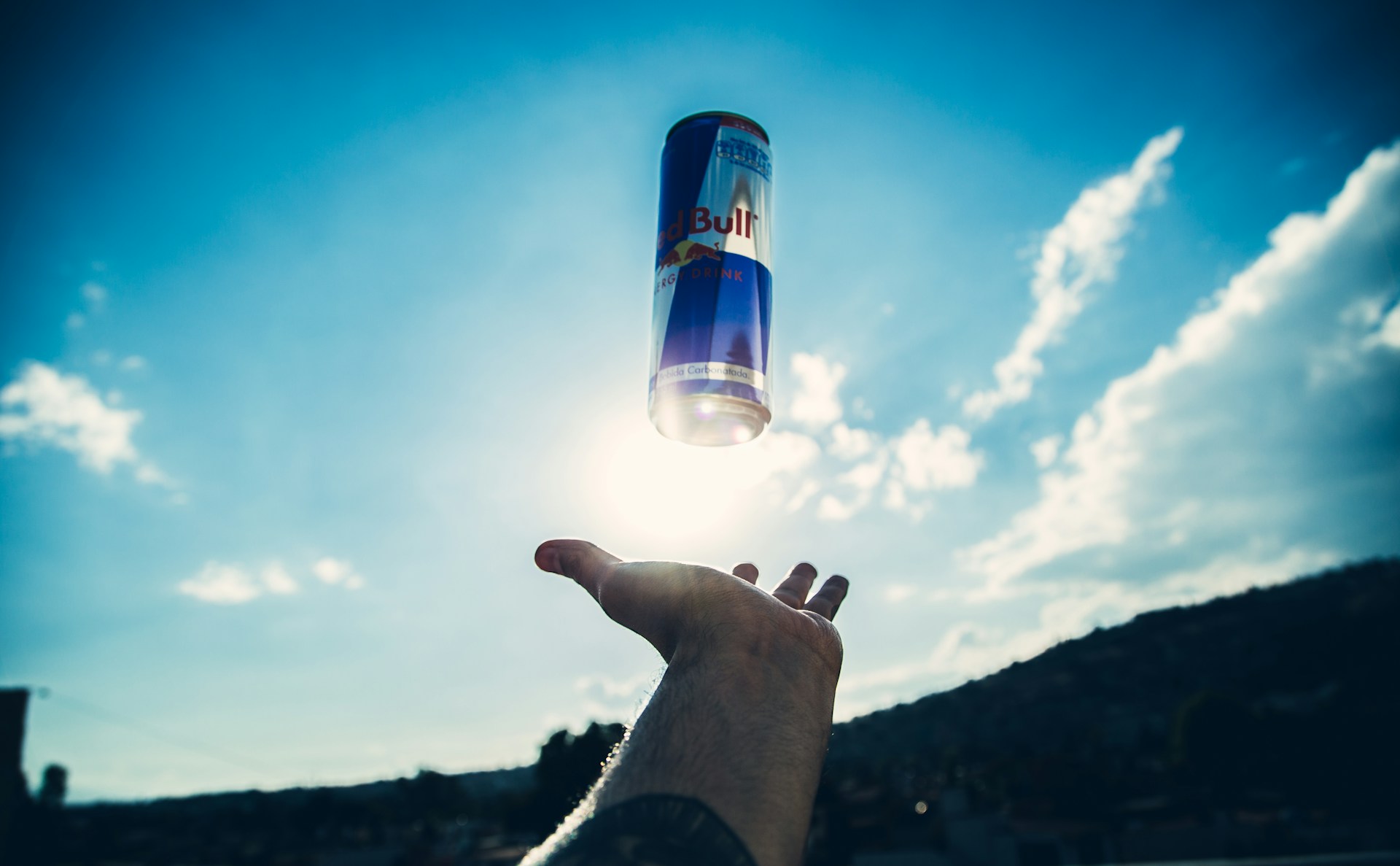

Accused Of Promising Effects Without Scientific Evidence, Red Bull Reached Multimillion-Dollar Settlement And Raised Debate About The Limits Of Advertising Years Ago
One of the most well-known advertising campaigns in the world ended up in court in the United States. The famous slogan “Red Bull Gives You Wings” was at the center of a lawsuit that concluded with a multimillion-dollar settlement and sparked debates about the limits of advertising and consumer rights.
The Accusation Of Deceptive Promise
The lawsuit started in 2013 when consumer Benjamin Careathers decided to sue the company. He claimed that, even after years of consuming the energy drink, he did not notice any significant improvement in his physical or mental performance.
According to Careathers, Red Bull marketed its product with promises lacking scientific evidence.
-
Low-Cost Concrete Panel House Goes Viral: Investor Reveals Prefabricated Kit Structure for Around $1,500, Assembled in 30 Days, with Plans for Rental and Resale Income

-
Brazilian Lottery Winner Ordered by Court to Share $22 Million Jackpot with Ex-Partner, Sparking Major Legal Battle

-
Why Yellow is the Safety Color for Heavy Machinery: Origins and Benefits Since 1931

-
U.S. Channel Highlights 20 Brazilian Innovations Leading Latin America: From Açaí to Modular Homes and Biogas




The target of the lawsuit was the slogan “Red Bull Gives You Wings” itself. For the plaintiff, even being a metaphor, the phrase created the impression that the product delivered real, tangible benefits.
He asserted that the brand used this language in a way to convince consumers that the energy drink had proven effects.
The Value Of The Settlement: US$ 13 Million
The class-action lawsuit gained attention quickly and was resolved in 2014. Red Bull chose to settle out of court and paid US$ 13 million to close the case. The company did not admit guilt or recognize mistakes in its advertising campaign but committed to compensating consumers.
Each person in the United States who purchased the product between 2002 and 2014 had the right to request up to US$ 10 in reimbursement. There was no need to present a receipt or any other form of proof. It was enough to fill out a form on the site created for the settlement.
Reactions And Debates On Social Media
The reaction was immediate. On social media, the case became a joke and led to a series of memes and ironic comments. At the same time, serious discussions arose about the limits of creative language and the obligations of companies regarding what they say in their campaigns.
Even though the slogan was clearly symbolic, many consumers took it literally. This served as a wake-up call for the advertising sector: even metaphors can be taken literally when associated with performance promises.
The Impact On Marketing And The Brand
The lawsuit brought an important reflection for the marketing world. Creativity cannot outweigh clarity and responsibility. Slogans and campaigns must consider public interpretation, especially when they involve topics such as health, performance, or well-being.
Despite the lawsuit and the multimillion-dollar settlement, Red Bull’s image was not severely affected. The company continues to be one of the largest in the energy drinks sector and maintains a strong global presence, with bold advertising actions and high-impact sponsorships.
A Reference For Future Campaigns
The episode serves as a reminder for communication professionals and companies. Creative advertising is welcome, but it must be done responsibly.
The Red Bull case shows that even catchy phrases like ‘gives you wings’ can have real consequences — and that consumers have the right to question when they feel deceived.
With information from Creative Advertisers.