






 Portuguese
  Spanish
 2 min of reading
  0 comments


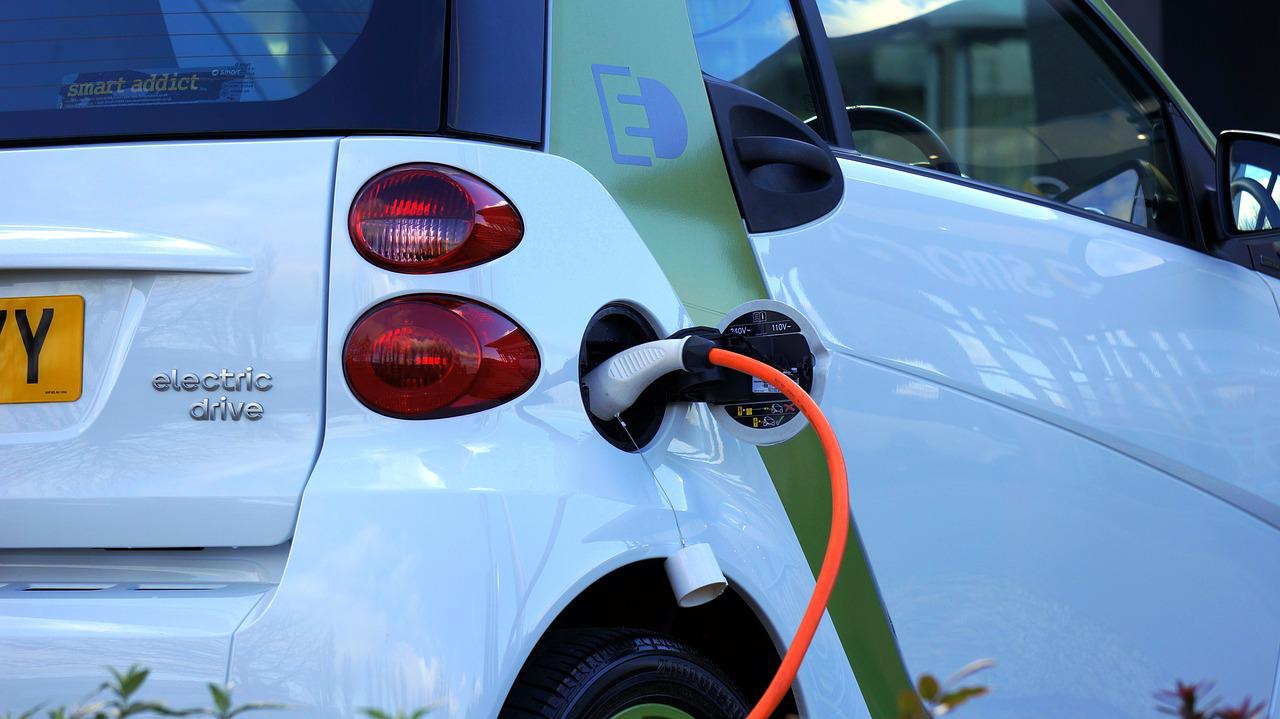
Electric Car Prices May Increase in 2024 with New Import Tariffs
The electric car industry, which has been a beacon of innovation and sustainability, is about to face a major challenge in Brazil. Starting January 1, 2024, electrified vehicles produced outside the country, including electric cars, hybrids, and plug-in hybrids, will be subject to import taxes, as announced by the federal government. This decision represents a significant shift in the current policy that had exempted these vehicles from such fees until now.
Graduation of Tariffs: A Detailed Look
The reintroduction of import tariffs for electric cars will occur gradually, with different percentages applied over the next few years:
- 10% in January 2024
- 18% in July 2024
- 25% in July 2025
- 35% in July 2026
These successive increases, culminating in 35% in 2026, may lead to a significant rise in the final cost of these vehicles for Brazilian consumers.
-
Chinese Giant Uses Metal Structures and Cranes to Deliver Over 700 Electric Cars to Brazil

-
Uber Faces Shareholder Scrutiny as Board Accused of Ignoring Safety, Compliance, and Harassment Warnings Amid Over 3,500 U.S. Lawsuits

-
Ferrari’s First Electric Car Divides Fans, Priced at $630,000, Amid Concerns Over Limited Editions; Brand Clarifies It’s Not Just for Future Perks
-
BYD Dolphin Mini: The Electric Car That Defies Depreciation, Losing Only 3.58% in a Year and Becoming the Best-Selling Retail Model Under $22,000


Implications of the New Fiscal Policy
The new import tax policy, announced by Gecex/Camex, has been seen as a setback by many advocates of sustainable mobility, such as the Brazilian Electric Vehicle Association (ABVE). They argue that this measure favors fossil fuel-powered vehicles and creates uncertainties for companies interested in investing in the production of electric and hybrid vehicles in Brazil.
ABVE Point of View
- Criticism of the government’s decision for being hasty and favoring the fossil fuel lobby.
- Concern about the negative impact on the market and investments in low-emission vehicles.
- Disappointment with the announced import quotas, seen as insufficient for the advancement of electromobility in the country.
The ABVE also highlights the contrast of this policy with global trends in automotive industry electrification, which favor low-emission technologies.
Future Challenges and the Need for Sustainable Policies
Despite record growth in sales of electric and light hybrid vehicles in Brazil in 2023, the ABVE warns that the growth rate may be affected starting in 2024 due to the new measures. The association reiterates the importance of an import policy that encourages local production but criticizes the current approach, which may dissuade companies committed to local production of low-emission vehicles.
Key Point:
- The need to balance import policies with incentives for local and sustainable production.
In summary, the federal government’s decision to reintroduce import tariffs for electric and hybrid cars threatens to slow down the progress of the sustainable automotive industry in Brazil. The measure, although gradual, could have profound implications not only for vehicle prices but also for the trajectory of investments and the adoption of low-emission technology in the country.


Be the first to react!