






 Portuguese
  Spanish


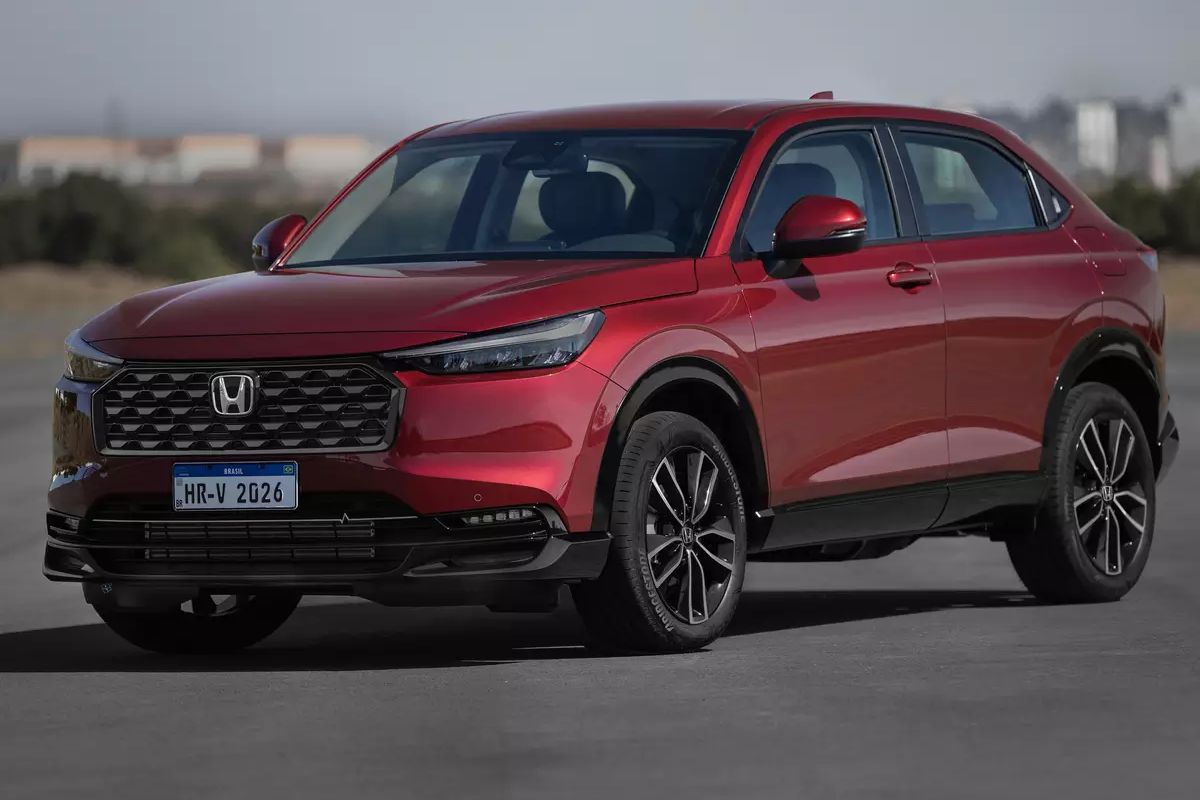


New Honda SUV Kept 1.5 Turbo Engine and Sporty Proposal, but Lost Ground to Competition Offering Cheaper Hybrids with Larger Trunks and Embedded Technology.
The Honda HR-V 2026 arrives in Brazil practically without mechanical changes compared to the previous line. Honda bets on sporty design and the already known turbo engine as differentiators to keep the SUV among the best-selling. Between January and July 2025, 36,086 units were sold, making the model the 4th best-selling utility vehicle in the country.
Despite its good acceptance, the HR-V faces increasingly stronger competitors. Hybrid models from brands like BYD and Haval offer more technology, greater efficiency in consumption, and prices up to R$ 20 thousand lower. This pressures Honda’s model to update its proposal.
What Changed in HR-V 2026
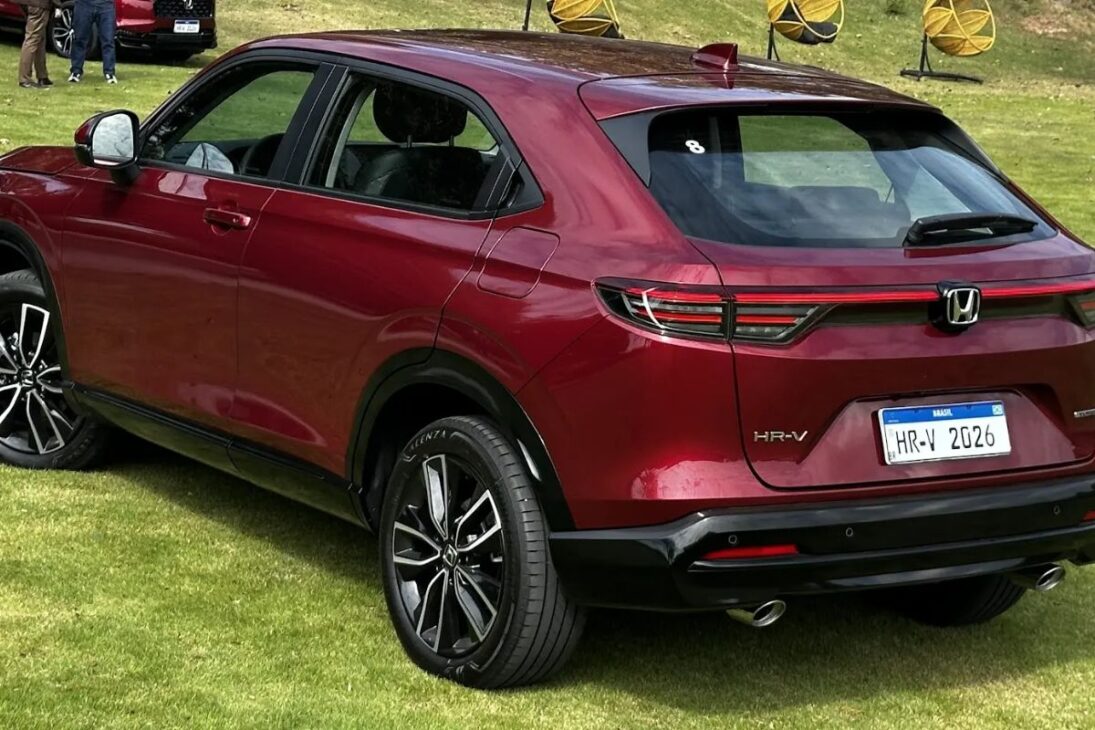
The changes were limited to visual and finishing details.
-
Classic Volkswagen Beetles of Brazilian Presidents to Swap Museums in Historic Partnership

-
British Factory Transitions from Mechanical Parts to Producing 420,000 Electric Power Units Annually, Supplying 70% of Ford’s Electric Cars Sold in Europe
-
Toyota Shifts from Hybrid Cars to Electric Air Taxis with Joby’s 6-Rotor Aircraft, Capable of 322 km/h, Aiming for Mass Production to Electrify Urban Skies

-
Ferrari Unveils Limited Edition 12Cilindri Manuale: 6.5-Liter V12, 830 HP, 0-100 km/h in 2.9 Seconds, Top Speed Over 340 km/h, Only 1,499 Units Available


The Touring version gained gloss black grille, sequential turn signals, and 100% LED taillights.
These aesthetic changes reinforce the appeal of sophistication, but without a direct impact on mechanics or consumption.
Another highlight is the coupe design, with a sloping roofline and a lower driving position, which brings the SUV closer to the driving experience of the Honda Civic.
This feature remains one of the attractions for those looking for a sporty style in a utility vehicle.
Strengths of the Model
The 1.5 turbo engine remains the HR-V’s main asset.
With 177 hp, the SUV accelerates from 0 to 100 km/h in 8.9 seconds, offering quick recoveries and good performance in overtaking.
The suspension balances comfort and firmness, providing safety both in the city and on the road.
Additionally, the transmission with manual shifts on the steering wheel and the elevated gear lever position reinforce the sporty driving.
For drivers who prioritize pleasure in driving, the set remains competitive against rivals.
Limitations and Technological Failures
Despite the advancements, the HR-V still has failures in assistance features.
The adaptive cruise control abruptly reduces speed in unnecessary situations, the lane assist only operates above 72 km/h, and the blind spot alert takes up the entire multimedia screen when signaling.
Another critical point is the trunk with only 354 liters, the smallest among direct competitors.
The VW T-Cross offers 373 liters, the Hyundai Creta 422 liters, and the Toyota Corolla Cross 440 liters, all more practical for families needing space.
Hybrid Rivals at Advantage
The scenario becomes more challenging when looking at hybrid rivals.
The Haval H6 One costs R$ 199 thousand — almost R$ 10 thousand less than the HR-V Touring — and already delivers a conventional hybrid set.
The BYD Song Pro, for R$ 189,990, is a plug-in hybrid and runs up to 62 km solely on electric energy, also costing nearly R$ 20 thousand less.
These models offer greater energy efficiency and more complete technology packages, making the cost-benefit more attractive for consumers prioritizing fuel economy and connectivity.
Is It Worth Buying the HR-V 2026?
The Honda HR-V 2026 remains a solid option for those seeking an efficient turbo engine, sporty driving, and the reliability of the brand.
However, it loses ground to rivals that offer more technology, larger trunks, and more competitive prices.
For drivers who value performance and style, the HR-V is still a good deal. However, for families who need interior space and economy, competing hybrids may be smarter choices.
And you, do you believe that Honda should invest in a hybrid version to keep the HR-V competitive in Brazil? Leave your opinion in the comments — we want to hear from those living this reality daily.






Um ítem que me faz muita falta na HRV é a luz do porta luvas. A noite faria toda diferença.
BYD?Haval? Não me parecem estar à altura de um Honda…
Com certeza. E porta malar tem que rever. Esses porta malas de suvs sao muito pequenos. Quase um Hatch.