






 Portuguese
  Spanish


Families Left Luxembourg Heading to Imperial Brazil in Search of Prosperity, But the Expedition Ended in Frustration and Originated the Village Called New Brazil
In early 1828, hundreds of rural families left the Grand Duchy of Luxembourg believing that Imperial Brazil under Dom Pedro I would be the path to a better life. However, the crossing that promised new horizons ended up becoming an episode marked by deception, hunger, and forced return to their homeland. Still, from this failure was born a small village that, ironically, was named “New Brazil”.
The Conditions That Motivated the Escape from Luxembourg
The economic conditions in Luxembourg at the time were precarious. According to the Center for Documentation on Human Migration (CDMH), about 80% of the population relied on agriculture and faced high taxes and unstable harvests. As a result, between 1840 and 1890, more than 66,000 Luxembourgers sought a fresh start on other continents, especially in South America. Brazil, then in agricultural expansion, encouraged European immigration through campaigns promoted by the Empire.


The Interrupted Journey and the Birth of New Brazil
For this reason, in 1828, a group of about 2,500 Luxembourgish peasants organized a journey to the Brazilian agricultural colony. The enthusiasm was high, and many sold everything they owned. However, upon arriving at the port of Bremen, Germany, problems began. Travel agents deceived several families, and the transatlantic crossing was suspended for most.
-
A Brazilian city decided to purchase a piece of the Atlantic Forest with more than 153,000 square meters, and owners of preserved areas will be able to submit proposals to transform the forest into a conservation unit.

-
Brazilian siblings aged 11 and 7 read 240 books in just one year and caught attention on social media: while many children spend hours on screens, they turned their family’s routine into an example of reading, discipline, and curiosity.
-
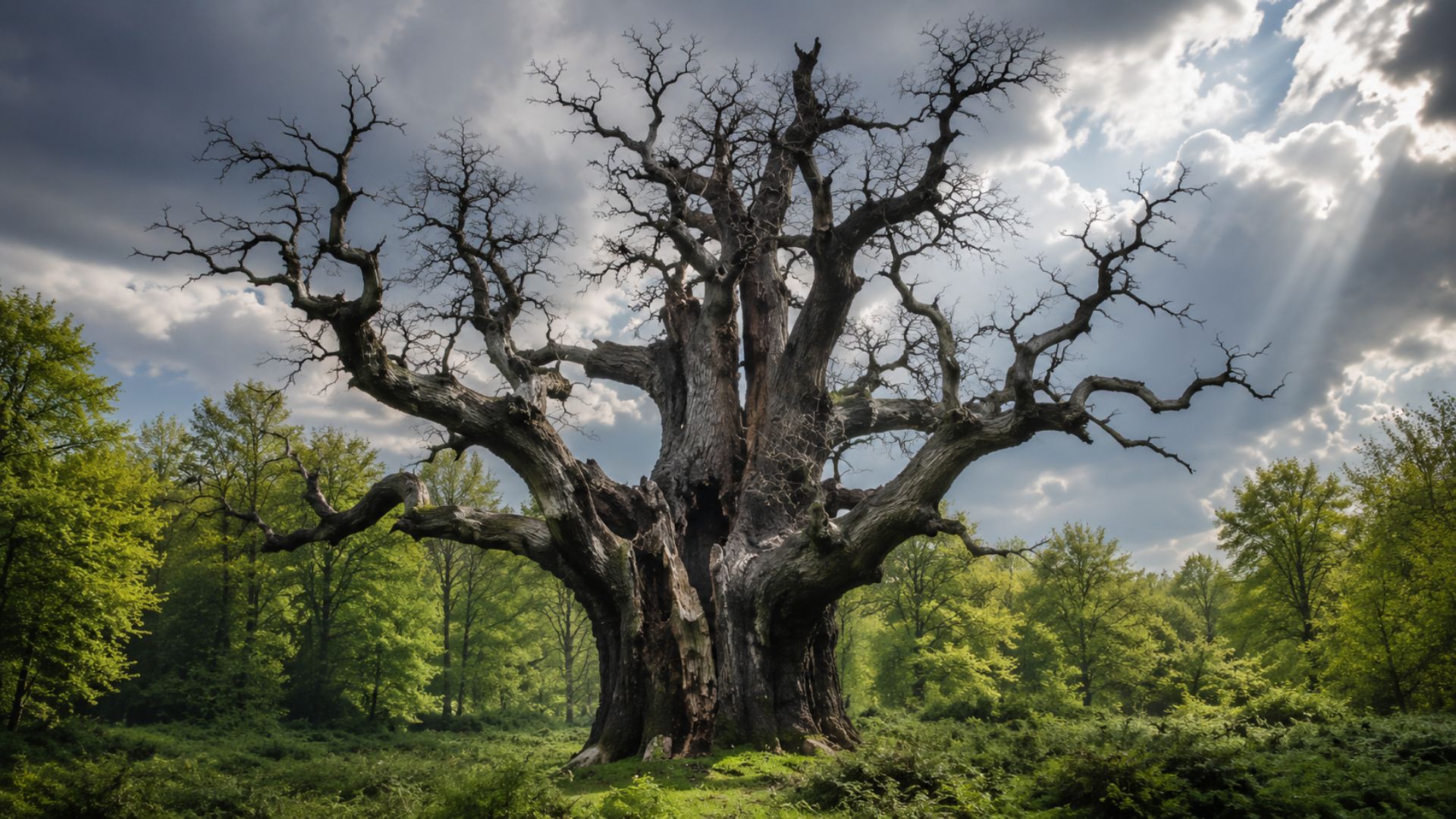
The legendary oak that, according to the story, hid Robin Hood from the Sheriff of Nottingham, died at the impressive age of 1,200 years in England, and the first chilling sign of its end was that no leaves sprouted on the tree this spring.

-
While the world looks at forests, the UN warns that the Earth is also threatened by the silent degradation of natural grasslands and savannas, ecosystems that cover half of the planet, support billions of people, and can exacerbate water, food, and climate crises.

As a result, two-thirds of the immigrants never set foot on Brazilian soil. The Luxembourgish government had to intervene and decided to resettle them in one of the poorest regions of the country, in the north, founding a small colony named New Brazil, located in the current municipality of Wahl, according to records from the historical portal Today RTL.
The Hard Life and the Legacy That Withstood Time
While many returned without resources, those who remained in New Brazil faced misery and isolation. Still, the village survived and became a symbol of resistance of a people who, even frustrated, kept the hope of prospering alive.
Over the years, the story of this episode gained symbolic importance. According to estimates from the Ministry of Foreign Affairs of Luxembourg, there are today between 30,000 and 50,000 Brazilian descendants of Luxembourgers — a reflection of a cultural connection that has withstood time and distance.
The Symbol of a Hope That Never Departed
Although the colonization attempt in Brazil failed, the dream of the Luxembourgish families did not disappear. The village of New Brazil, created after the return of the migrants, still exists and preserves the memory of those who dared to seek a better future. It has become a symbol of hope, overcoming, and national identity, showing how the pursuit of dignity can create roots where least expected.
Today, visitors find in New Brazil signs and historical records that remind them of the odyssey of these families. The episode remains an example of the harsh realities of 19th Century European Migration, marked by illusions of wealth and unfulfilled promises.
And, after all, what remains of this “New Brazil” dream but the memory of a people who tried to depart but ended up building a new home on the very ground where they were born?








