Portuguese
  Spanish


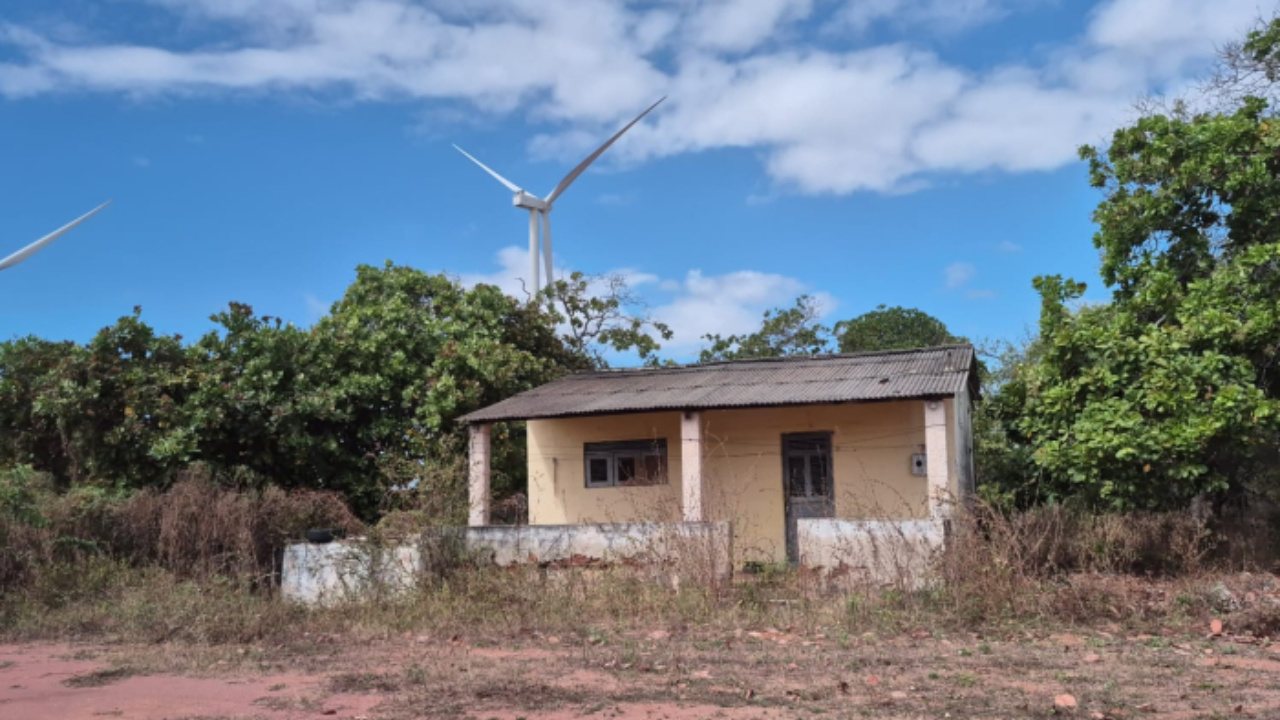


The Serra do Mel Wind Complex in Rio Grande do Norte Concentrates the Largest Wind Power in Latin America and Drives Technology, Jobs, and Sustainability in Brazil.
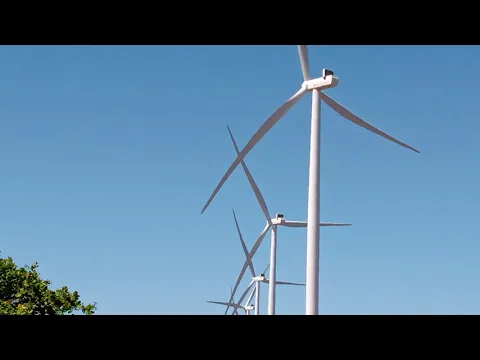
Wind energy has gained a new symbol of strength in Brazil. In the interior of Rio Grande do Norte, a city has become a continental reference by concentrating the largest electricity generation park from wind in all of Latin America.
With giant turbines spread across the territory, Serra do Mel has become a key player in the energy transition and also in regional development, attracting investments, technology, and international attention.
Serra do Mel Becomes the Center of Wind Energy on the Continent
According to a study conducted by UFMS, the Serra do Mel Wind Complex is now the largest hub for wind energy production in Latin America.
-
Brazil filled the Northeast with wind turbines but now faces the side effect of 705 giant blades reaching the end of their lifespan by 2032 just in Rio Grande do Norte, while the world projects 43 million tons of waste by 2050.

-
Brazil has filled the Northeast with wind turbines, but now it faces the side effect of 705 giant blades reaching the end of their useful life by 2032 just in Rio Grande do Norte, while the world projects 43 million tons of waste by 2050.
-
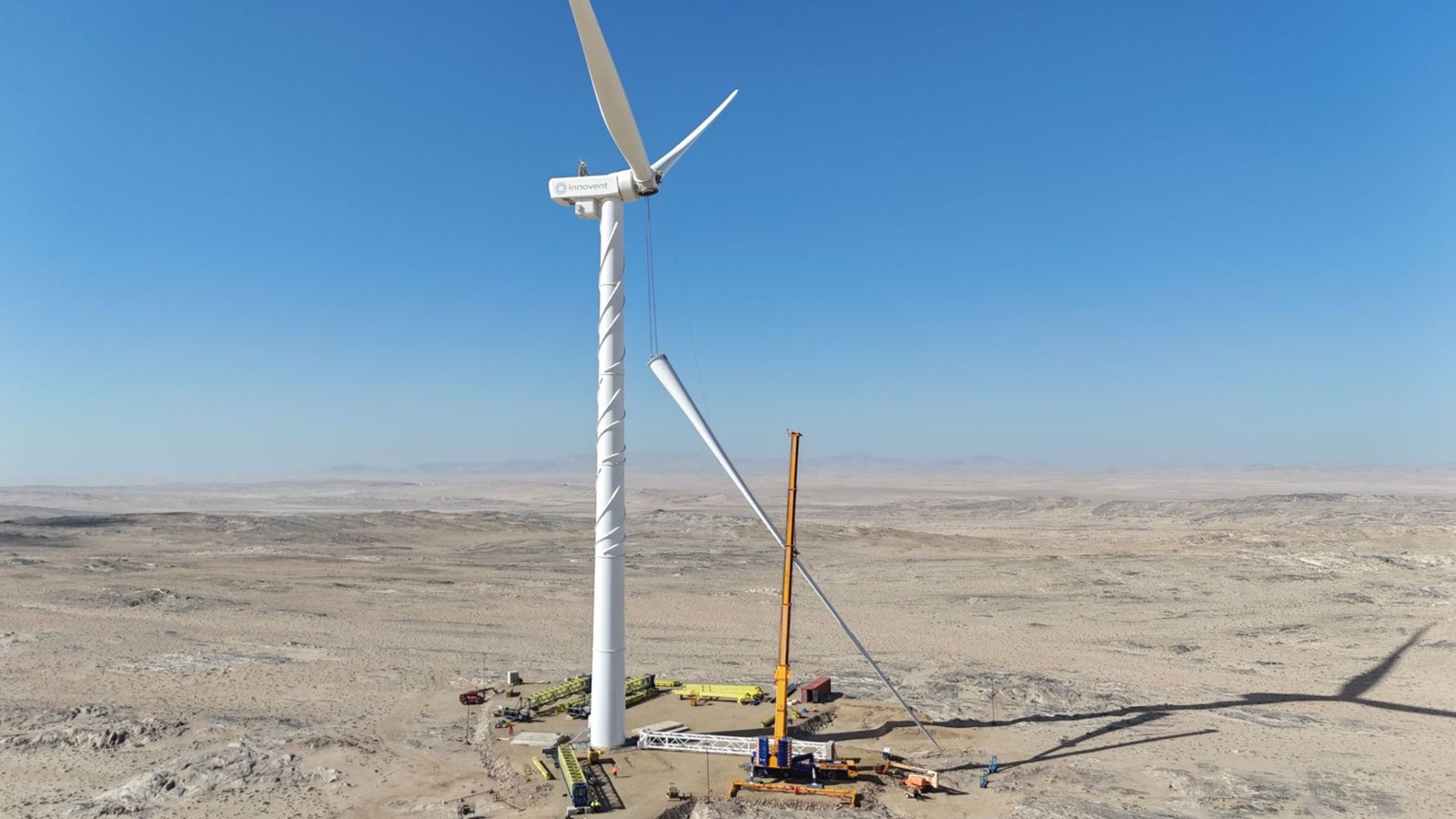
Wind farm in Namibia will have wind turbines assembled without giant cranes and is expected to avoid 200,000 tons of carbon dioxide per year when it becomes operational.

-
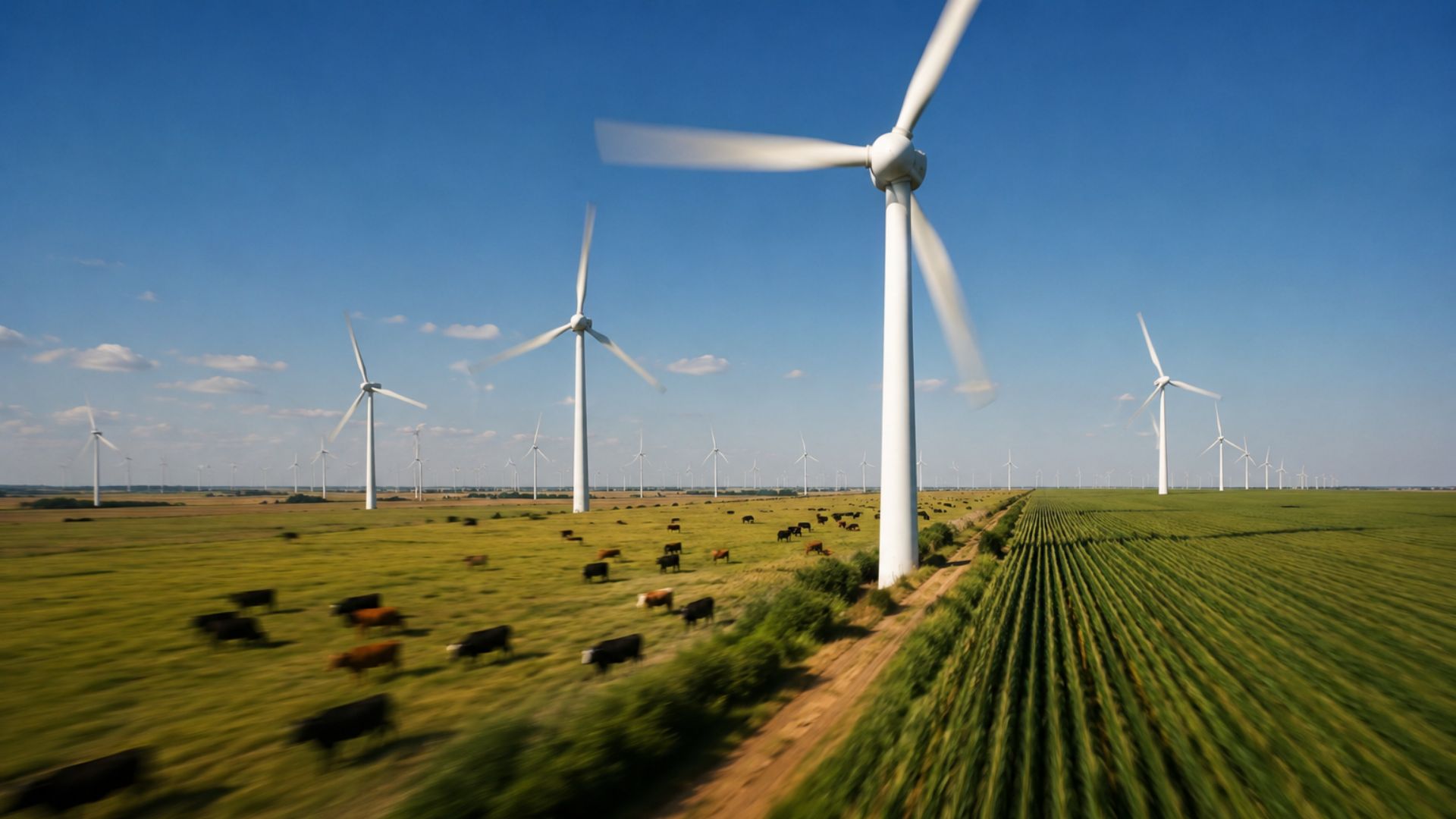
Taller than the Statue of Liberty, thousands of wind turbines are being planted in the middle of U.S. fields, creating two-story farms where corn and soybeans grow below while the wind turns into electricity above.


The region has rare natural conditions. The winds blow with constant strength for almost the entire year, allowing for stable and efficient generation.

This natural factor explains why hundreds of wind turbines have been installed in the city. All operate in a synchronized manner through advanced software.
Thus, the electricity produced enters directly into the national system, helping to supply millions of households.
In addition, the installed capacity of the complex exceeds 2 gigawatts, a volume sufficient to meet large urban centers simultaneously.
Technology Makes Wind Energy More Productive
Behind the towers, there is a technological system that draws attention. Sensors spread across each turbine send data in real time. This information is analyzed by programs using artificial intelligence to predict wind gusts with high accuracy.
At the same time, drones fly over the park to inspect the blades and identify faults. In this way, technicians do not need to climb the structures. This reduces risks and speeds up maintenance.
The wind blades themselves are made from lightweight and durable materials, which increases the lifespan of the turbines and lowers operating costs.
Environmental Impact and Gains for the Local Economy
The wind energy produced in Serra do Mel helps to significantly reduce the emission of polluting gases. The positive environmental impact is comparable to planting thousands of trees per year, as fewer fossil fuels are used.

At the same time, the complex has changed the economy of the region. The park generates skilled jobs and stimulates companies in technology, transportation, and services. Additionally, rural producers receive income from leasing their lands for the installation of the towers.
Thus, money begins to circulate in an area that previously had few opportunities.
Besides energy production, the location also attracts visitors. The roads cut through areas filled with turbines, creating a scenery reminiscent of science fiction movies. Motorcyclists and tourists flock to the region to see up close the power of wind and engineering.
The mix of preserved nature with technology draws attention and transforms the city into a point of national curiosity.