






 Portuguese
  Spanish
  3 min of reading
  0 comments


We Analyzed If the Entry Version of the Fiat SUV, with a Lower Price, Is the Smart Choice or If the Great Difference in Performance and Safety for the Turbo Version Makes the Economy a Risky Bet
The Fiat Pulse has become a best-seller in Brazil, but purchasing it involves a crucial dilemma: is it worth saving money and bringing home the entry-level version, equipped with the 1.3 Firefly engine of the Pulse, or does the superior performance of the turbo versions justify the extra investment? With an attractive price of around R$ 104,000 in June 2025, the Drive 1.3 version attracts those seeking SUV design at a lower cost.
The answer, however, is not just about performance. Choosing the aspirated engine means giving up agility that can be missing on the road. More importantly, the entire Pulse line received a low safety rating from Latin NCAP, a factor that outweighs the discussion of the engine which needs to be the central point in any buyer’s decision.
What the 1.3 Firefly Engine of the Pulse Delivers in Practice?
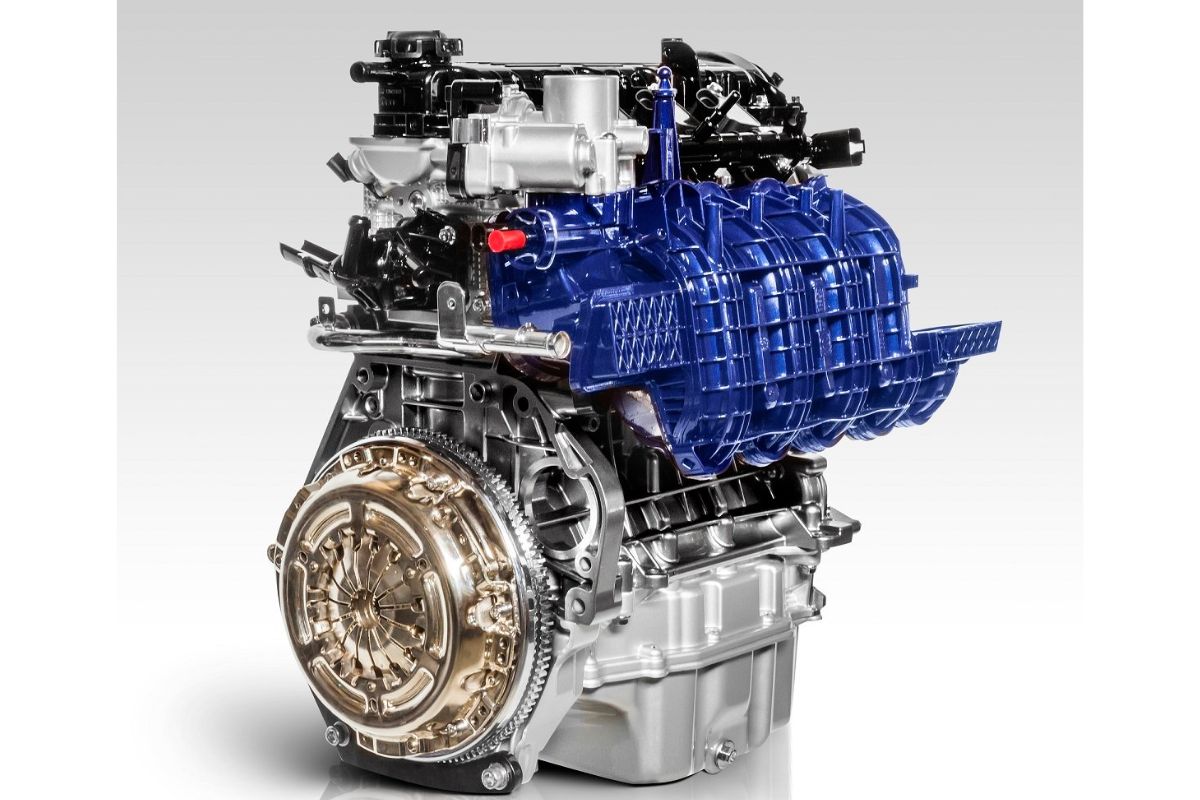
The entry-level version of the SUV is equipped with a well-known and reliable Fiat engine. The 1.3 Firefly engine of the Pulse is a four-cylinder aspirated engine that delivers 107 hp and 13.7 kgf.m of torque when fueled with ethanol. Its main feature is to deliver this power at higher revolutions, meaning the driver practically needs to “step on it harder” to feel the car respond.
-
Eleven Brazilian cities appear among the most threatened in the world by extreme heat, while an international study warns that poverty, low tree coverage, and expensive energy increase the risk in the capitals.

-
Two Brazilian inventors transformed a Gol into a homemade electric car: they removed the engine, installed 40 lithium batteries, and made the vehicle run 150 km for R$ 0.07 per kilometer.

-
Why do some drivers put a white cloth on the car?

-
While the world looks at forests, the UN warns that the Earth is also threatened by the silent degradation of natural grasslands and savannas, ecosystems that cover half of the planet, support billions of people, and can exacerbate water, food, and climate crises.


The performance is modest. In tests, the acceleration from 0 to 100 km/h is achieved in 11.4 seconds, a figure that reflects its focus on urban use and a lack of urgency. Its major advantage is its low fuel consumption, making it one of the most economical versions in the segment, along with mechanical robustness, which translates into more predictable maintenance costs.
The Difference to the Turbo Engine Is a Performance Abyss
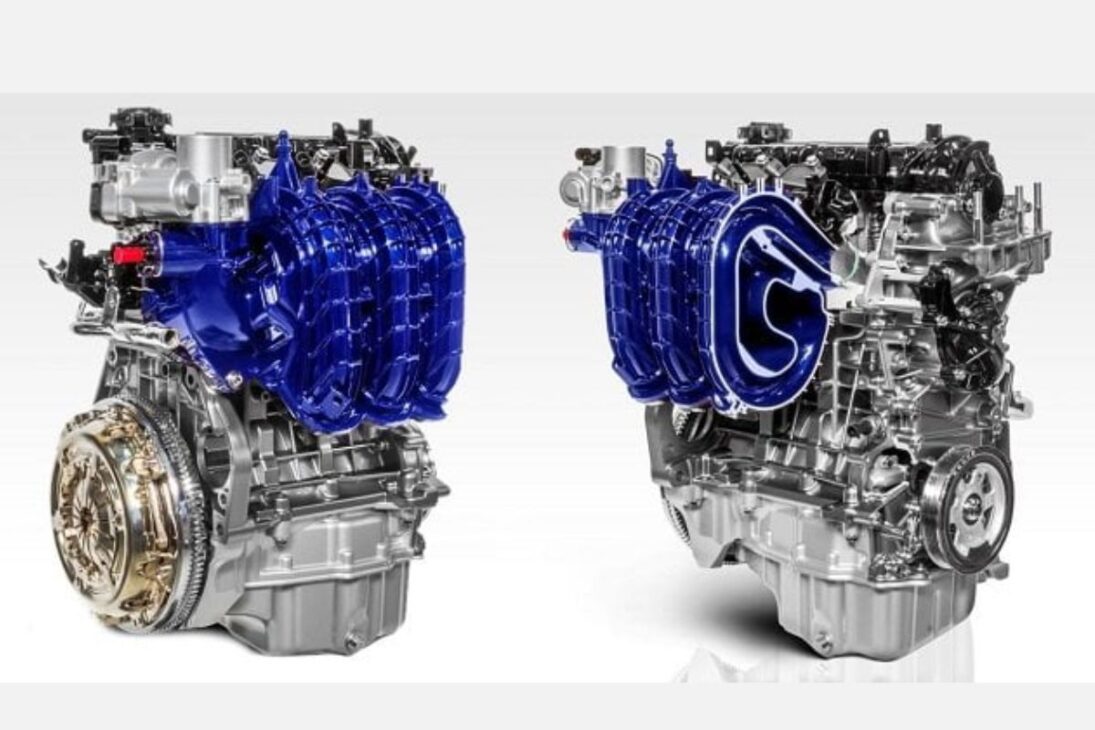
The big question for the consumer is what they lose by not choosing the version with the T200 engine (1.0 turbo). The difference is striking. The turbo engine delivers 130 hp and, more importantly, 20.4 kgf.m of torque, which appears at just 1,750 rpm. This power available at low revs transforms the driving experience.
In the acceleration of 0 to 100 km/h, the turbo Pulse completes the test in 9.4 seconds, a 2-second advantage that is felt in traffic and, especially, in overtaking on the road. While the 1.3 Firefly engine may seem “weak” or require more planning for a safe maneuver, the turbo engine offers a reserve of power that translates to more agility and perceived safety.
The Result of the Pulse in Latin NCAP
Perhaps the most critical point in the purchase decision of any Pulse version is its performance in safety tests. In an evaluation conducted in December 2023, Latin NCAP awarded the Fiat Pulse a score of only two stars. The main reason for the low score was occupant protection.
The model comes factory-equipped with only four airbags (two front and two side), without curtain airbags, which are essential for protecting passengers’ heads, especially those in the rear seats, in side collisions. This is a serious disadvantage compared to direct rivals, such as the Volkswagen Nivus, which received five stars and comes with six airbags as standard.
For Whom Is the 1.3 Firefly Engine of the Pulse the Right Choice?


The choice of the 1.3 Firefly engine of the Pulse is strictly rational and economical. It is suitable for the driver who drives almost exclusively in the city, does not mind modest performance, and prioritizes low fuel consumption and a lower purchase price.
However, it is a choice that requires awareness of its limitations. The lack of vigor on highways can lead to frustration, and the low safety rating is a factor that cannot be ignored, especially for those transporting family. Considering that competitors in the same price range offer a superior safety package, the savings provided by the entry-level Pulse version come with a risk that each buyer needs to carefully assess.





-

-

2 people reacted to this.