Portuguese
  Spanish



With Variations Ranging From Small Inland Barges to Oceanic Colossi, the Bulk Carrier Is a Vital Piece in Global Logistics for Ores, Grains, and Solid Fuels
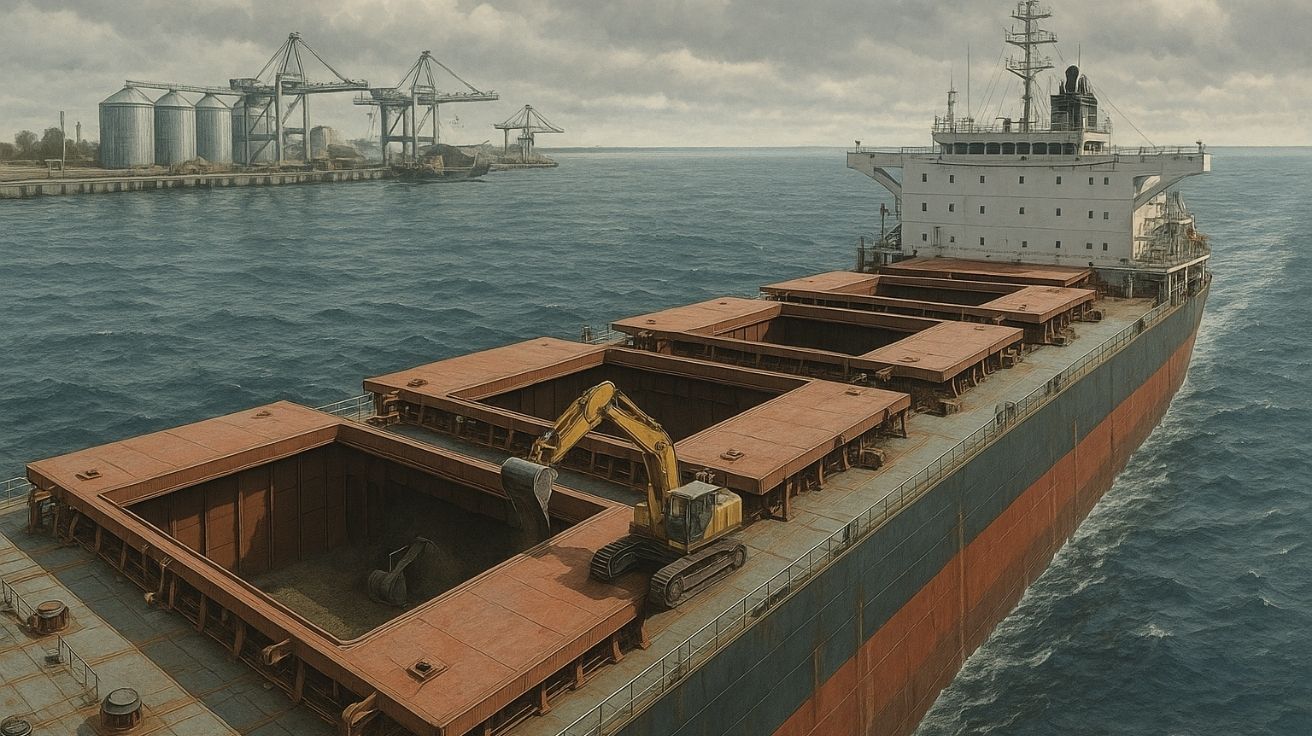
The bulk carrier, vessel specialized in transporting dry bulk cargoes like iron ore, coal, and grains, is one of the main pillars of global maritime trade, responsible for moving a high percentage of all cargo transported by sea today.
Designed to maximize capacity, safety, and efficiency, the bulk carrier features large cargo holds, typically accessed by sliding hatches and structured to support dense and abrasive materials. These vessels have existed since 1852, when the John Bowes, the first steam bulk carrier, was launched in the United Kingdom.
With a length of up to 300 meters and a capacity that can exceed 400,000 deadweight tons (DWT), modern bulk carriers are essential for intercontinental routes. They vary in size, from Handysize (10 to 35 thousand DWT) to Capesize (over 80 thousand DWT), including specific types like Panamax and Kamsarmax, adapted for channels and ports with restrictions.
-
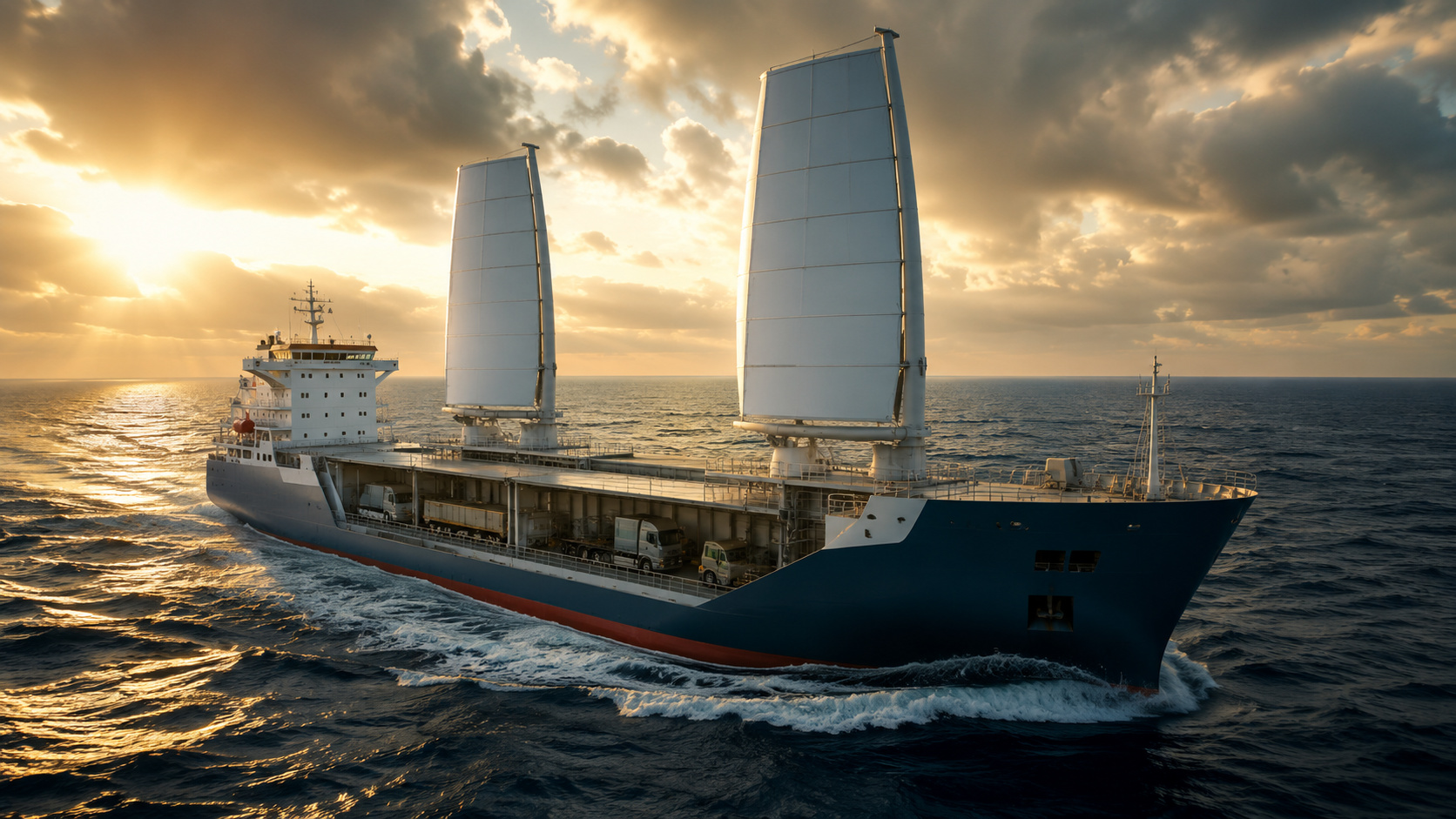
With two giant sails instead of relying solely on the engine, a modern cargo ship crosses the Atlantic carrying cars, forklifts, and goods to test using less diesel in maritime transport.

-
Coastal City Converts Part of Bay to Freshwater with 350-Meter Dam and Nine Gates to Prevent Flooding
-
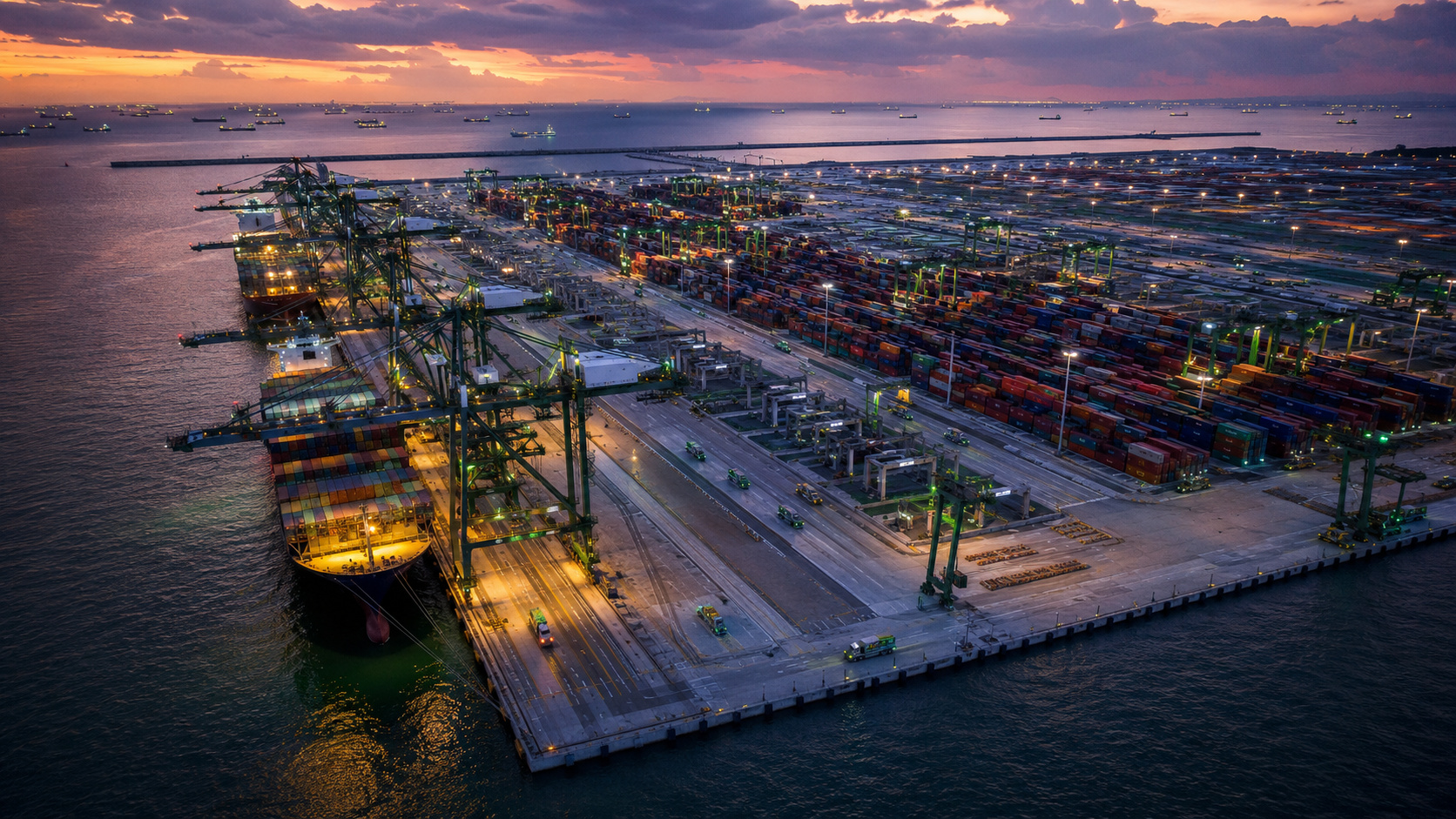
Singapore Expands into the Sea to Build 1,337-Hectare Port with 66 Berths, Electric Cranes, and Driverless Vehicles by 2040s
-
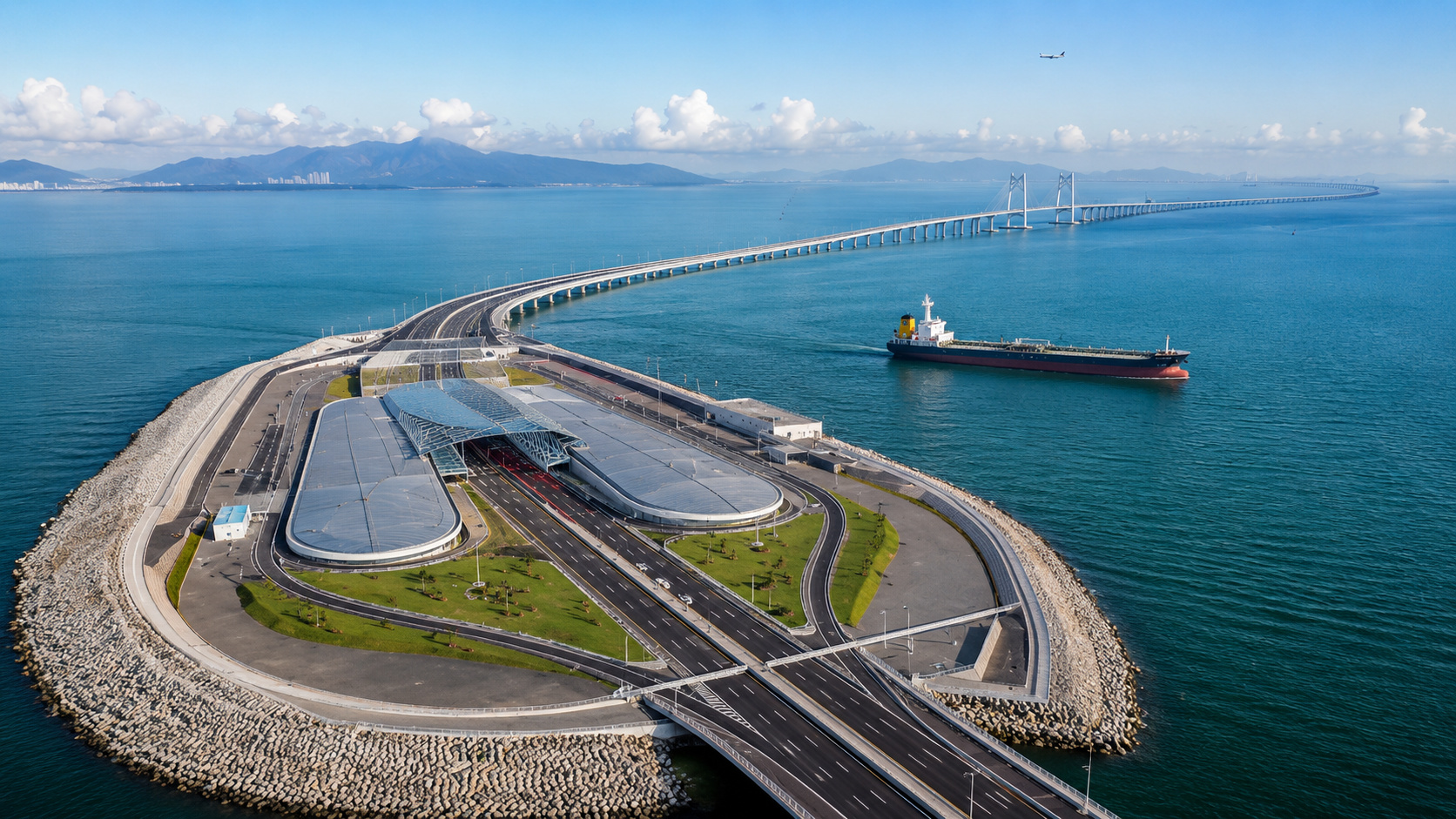
55 km Link Between Hong Kong, Zhuhai, and Macau Includes 33-Block Undersea Tunnel to Avoid Disrupting Ships and Planes

Types, Functions, and Architecture of the Bulk Carrier
The vessels are divided into three main types: gearless (without own cargo handling equipment), geared (with cranes), and self-dischargers, equipped with their own unloading systems, such as conveyor belts. There are also hybrid models, like the BIBO (“Bulk In, Bags Out”), which automatically pack the cargo while unloading.
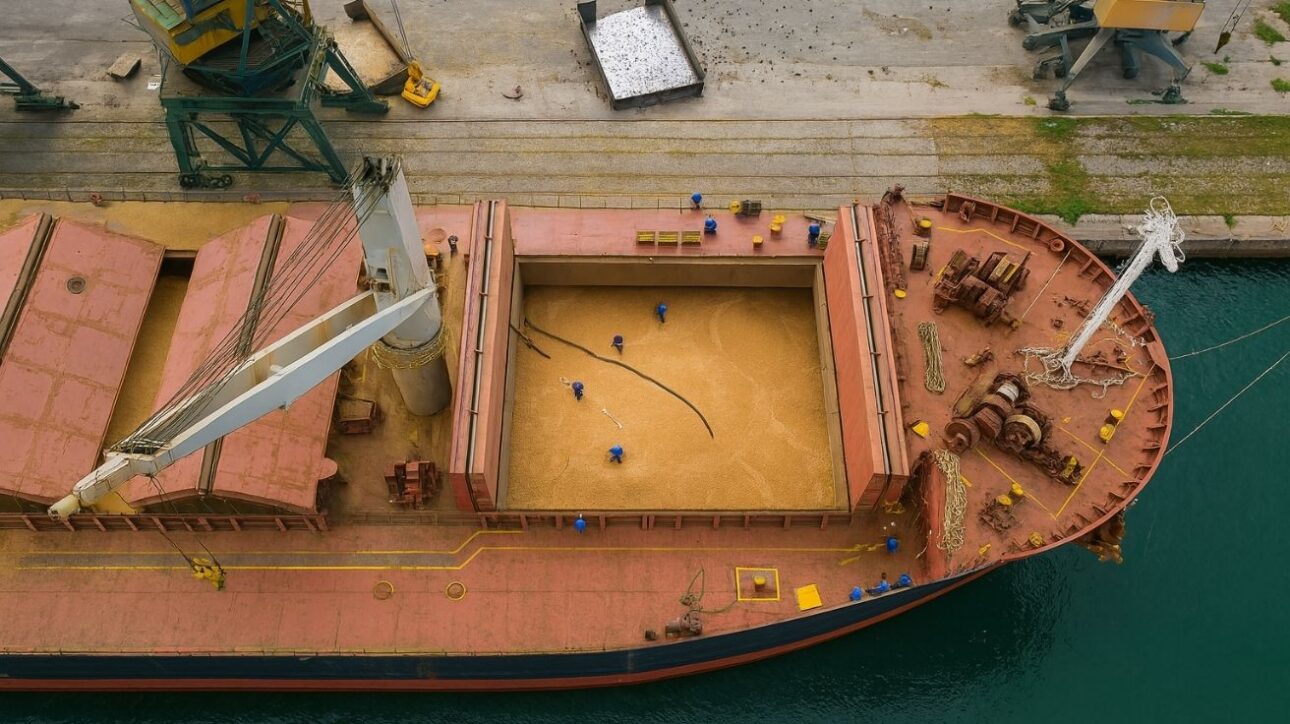
The architecture of the bulk carrier is determined by the density of the cargo. Ores require reinforced hulls and greater depths, while grains and coal demand larger internal volumes. To ensure stability, ballast tanks are positioned in the lower corners and in the double bottom of the vessel, preventing the risk of cargo shifting, one of the main causes of accidents.
These vessels are powered by two-stroke diesel engines, with fixed-pitch propellers. The average speed hovers around 12 to 15 knots, and fuel consumption is one of the biggest operational concerns. Recently, sustainable solutions have been tested, such as the use of rigid sails, capable of reducing consumption by up to 5%.
Port Logistics and Safety Onboard
The loading and unloading process of the bulk carrier can last for days and requires extreme precision. Modern equipment like articulated cranes, loaders, and automated conveyor belts ensure greater efficiency. After unloading, the crew begins cleaning the holds for the new type of cargo, a time-consuming operation essential to avoid contamination.

However, the bulk carrier faces serious safety challenges. The 1990s recorded more than 99 sinkings, mainly due to structural failures and water ingress through the hatches. In response, the IMO (International Maritime Organization) imposed strict construction and operational standards, including alarm sensors, more frequent inspections, and the requirement for free-fall lifeboats.
In addition, the presence of corrosion, poor cargo distribution, and structures weakened by high-strength steel increase risks. Today, the average age of bulk carriers exceeds 13 years, and over 30% are still active with more than 20 years of use, necessitating constant vigilance.
Economic Impact and Strategic Importance
The bulk carrier transports vital raw materials for the global industry, such as soybeans, wheat, coal, and bauxite. Countries like Greece, Japan, and China dominate the fleet, while Panama leads in the registration of vessels. The construction of these ships is concentrated in Asia, particularly South Korea, China, and Japan, which account for over 80% of the constructions.
Economically, the freight of a bulk carrier varies according to the route, cargo, and size of the vessel. In 2005, for example, transporting coal from South America to Europe on a Capesize cost between US$ 15 and US$ 25 per ton. Meanwhile, the daily rental of a Panamax could reach US$ 50,000.